


Seeing “low motility” on a semen report can feel like a verdict. It is not. Motility describes movement in one sample and a low percentage alone cannot diagnose infertility. Current Australian lower fifth-centile values are 42% total motility and 30% progressive motility. They are reference points, not pass marks. Read them with semen volume, concentration, total number, vitality, morphology, collection quality and both partners’ reproductive history. An abnormal first analysis is usually repeated after about six weeks, or longer when clinically indicated.
Quick answers about sperm motility
What sperm motility percentage is considered normal?
Current Australian guidance lists lower fifth-centile values of 42% total motility and 30% progressive motility. Compare the category and reference interval on your report, then interpret the result with the complete semen analysis and both partners’ clinical history.
Does one low sperm-motility result mean infertility?
No. Collection or transport problems, recent fever or illness and normal biological variation can alter one sample. Australian guidance recommends repeating an abnormal analysis after about six weeks, or longer when clinically indicated, before treating it as a persistent pattern.
What should you do after a low sperm-motility result?
Review the complete report and collection details with a GP or fertility clinician, then repeat the analysis when advised. Complete immotility or a very low count warrants early specialist review. A new lump needs prompt examination; sudden severe scrotal pain needs emergency assessment.

What does sperm motility mean on a semen analysis?
Motile spermatozoa are sperm cells showing movement. Laboratories use motility, although people may search for “sperm mobility” or misread the term as “mortality”. “Lazy sperm” is not a clinical diagnosis; the report should identify whether the issue is total movement, forward progression, vitality or another semen measure.
The World Health Organization framework distinguishes rapid progressive, slow progressive, non-progressive and immotile sperm. Reports may combine categories or use older A to D, “actively motile” or “sluggishly motile” wording.
| Report term | What it describes | What it cannot show alone |
|---|---|---|
| Rapid progressive motility | Fast forward movement; older reports may call it grade A or “actively motile”. | Whether fertilisation or treatment will follow. |
| Slow progressive motility | Slower forward movement; older reports may call it grade B or “sluggishly motile”. | How it compares without the laboratory method. |
| Progressive motility | All forward-moving sperm, often labelled PR. | The number moving forwards in the whole ejaculate. |
| Non-progressive motility | Movement without useful forward progress, often labelled NP. | Why progression is reduced. |
| Total motility | Progressive plus non-progressive movement. | How much movement is forwards or the total number moving. |
| Immotile sperm | No movement seen, often labelled IM. | Whether sperm are alive; vitality is separate. |
| Vitality | The proportion of sperm that are alive. | Whether living sperm move or can fertilise. |
| Total motile sperm count | Volume × concentration × total motility. | A universal conception or treatment threshold. |
Velocity measurements and a sperm motility index are analyser-specific. Standard motility also does not measure sperm DNA fragmentation; that testing is reserved for selected circumstances.
Asthenozoospermia, sometimes shortened to asthenospermia, is the clinical term for reduced motility. It names a laboratory pattern, not its cause or treatment. When motility is reduced alongside other semen changes, a male fertility assessment and semen analysis helps place the result beside history, examination and the rest of the semen profile.
Four checks before interpreting the percentage
Start by identifying the exact line on the report: total, progressive, rapid progressive, non-progressive or vitality. Compare that category with the reference interval printed by the laboratory rather than comparing different motility measures.
Then read the result with semen volume, concentration, total number, morphology, vitality and estimated total motile sperm count. Collection details also matter, including the abstinence interval, any lost sample, transport delay, temperature exposure, recent fever or illness and whether repeat testing was advised.
What do 50%, 40%, 30%, 20% or 0% sperm motility results mean?
First confirm whether the percentage is total or progressive motility. Current Australian guidance lists lower fifth-centile values of 42% total and 30% progressive motility.
50% total motility is above the current 42% lower reference value. 40% total motility sits close to, but below, that current reference value and may still appear as the lower limit on older reports.
30% progressive motility is at the current lower reference value for combined progressive movement. A result around 10% to 20% is below current lower reference values whether it is reported as total or progressive motility, so the remaining semen measures and repeat result become especially important.
0% total motility means no sperm movement was seen in that sample. It is different from 0% rapid progressive motility because slower progressive or non-progressive sperm may still be moving, and vitality testing can help distinguish living immotile sperm from sperm that are not alive.
Why do Australian laboratories and websites show different motility ranges?
The 2010 WHO reference study used lower limits of 40% total and 32% progressive motility. The 2021 framework used in current Australian guidance reports 42% and 30%. Laboratories may also group movement differently.
An Australian external quality-assurance study sent 80 motility recordings to more than 200 laboratories and found that analytical variation could move results across a lower reference cut-off when motility sat close to that boundary. When comparing reports, compare total with total and progressive with progressive and use the reference interval and method on the report. A borderline one- or two-point difference therefore deserves context rather than self-diagnosis from a single percentage.
What if sperm count is normal or high but motility is low?
A normal or high concentration can coexist with reduced motility. This worked example shows why the percentage alone is incomplete.
For example, a 3.0 mL sample with a concentration of 20 million sperm/mL and 40% total motility contains an estimated 24 million motile sperm in the ejaculate: 3.0 × 20 × 0.40. If progressive motility on the same report is 28%, both motility values sit just below the current 42% total and 30% progressive lower reference values.
This fictional result still does not decide fertility or treatment. A clinician would also consider collection quality, whether the pattern persists, the remaining semen parameters and both partners’ fertility factors.
The laboratory measures motility; a reader can only estimate total motile count from reported values. IUI clinics may use a separate post-wash count. The semen analysis result guide can help organise the full report.

Can collection or transport make sperm motility look lower?
Yes. Australian guidance recommends two to seven days without ejaculation and prefers on-site collection when available. RCPA pathology guidance also advises complete collection where possible and delivery within one hour when a sample is collected away from the laboratory. Your laboratory’s exact container, timing and transport instructions take priority.
Use the supplied container and tell laboratory staff if any part of the sample was lost, spilled, delayed, exposed to an unusual temperature or collected outside the requested abstinence period, because those details can change how the result is interpreted. Avoid saliva, ordinary condoms and general lubricant unless the laboratory approves a collection product. A product described as fertility-friendly lubricant during intercourse should not be assumed to be suitable for semen collection.
Why is an abnormal semen analysis usually repeated?
Semen parameters vary. Fever or illness, collection conditions, surgery, medicine changes, testosterone or anabolic steroids and normal biological variation can alter a sample. Australian guidance recommends a second analysis about six weeks after an abnormal result, or longer when clinically indicated.
Repeating distinguishes a persistent pattern from a temporary or collection-related change. A longer interval may follow substantial fever or treatment changes.
Complete immotility, no sperm, an extremely low count, a testicular lump or significant scrotal symptoms warrant earlier review rather than a routine wait.

What can cause low sperm motility?
Low motility usually has no specific symptom. Pain, swelling, a lump, ejaculation difficulty or reduced libido may point to an underlying condition.
Collection problems, transport delay, temperature exposure, fever or significant illness can change a semen result and may alter how or when it is repeated. Testicular history also matters, including undescended testes, torsion, injury, surgery, small testes or a clinical varicocele.
Hormonal and general-health factors can include symptoms of testosterone deficiency, obesity, diabetes or sleep apnoea. External testosterone, anabolic steroids, chemotherapy, smoking and heavy alcohol use are also relevant because they can change the investigation or require a prescriber-led review.
Genitourinary symptoms, previous infection, ejaculation difficulty or sexual dysfunction can justify targeted assessment. When several semen measures are severely abnormal, a structural, genetic or unexplained male-factor problem may need specialist-led testing.
Australian guidance supports morning hormones when semen parameters are abnormal, testes are atrophic, or symptoms suggest testosterone deficiency. Genetic and sperm DNA testing are more selective and depend on the pattern and context.
Routine scrotal ultrasound is not a first test for everyone. It is useful when examination is limited or a specific abnormality needs clarification.
Can sperm motility improve, and how long can change take?
Sometimes, particularly when a reversible contributor is found, but no plan can promise a fixed increase. Cause-led care may include stopping smoking, avoiding anabolic steroids, reducing heavy alcohol intake, treating relevant health conditions and reviewing medicines.
Australian guidance focuses on overall modifiable health factors rather than a single food or nutrient as a treatment for low motility.
New sperm take roughly three months to develop, so sustained changes are judged over months. The six-week repeat serves a different purpose: checking whether the abnormality persists.
What about antioxidants, supplements and testosterone?
Antioxidant studies use different ingredients, doses and outcomes, and Australian guidance does not support one routine supplement regimen for every abnormal result. Products can duplicate ingredients, interact with medicines and delay investigation.
External testosterone is not a motility treatment and can suppress sperm production. Do not change prescribed testosterone without the prescriber. When hormone treatment is being considered, clomiphene treatment for men is one example of why diagnosis, hormone testing and specialist supervision matter before treatment starts.
Can treating a varicocele improve motility?
A clinical varicocele can be associated with abnormal semen parameters. Repair is considered selectively when examination, repeated results, symptoms and the couple’s plan suggest it could change management. An imaging-only finding is not automatically a reason for surgery.
Can low-motility sperm fertilise an egg and lead to natural pregnancy?
Yes. A motility percentage is not a pregnancy probability. Natural conception depends on the total number of motile sperm, whether the finding persists, timing, age, ovulation, tubal factors and other circumstances. No single “minimum motility for pregnancy” guarantees or excludes conception.
When cycle timing is uncertain, ovulation tests can help identify the urinary LH rise, but they do not assess semen or improve motility. Pregnancy is most likely when intercourse covers the fertile window around ovulation, so timing and sperm-motility interpretation remain separate questions.
How can sperm motility affect IUI, IVF and ICSI?
Treatment uses repeated results and both partners’ assessment. For IUI, the clinic considers how many motile sperm remain after preparation. Repeatedly low counts may reduce success, but Australian guidance sets no universal threshold for every laboratory or couple. For couples considering IUI, its costs and success rates, the prepared sample and the female partner’s fertility factors matter more than one raw motility percentage.
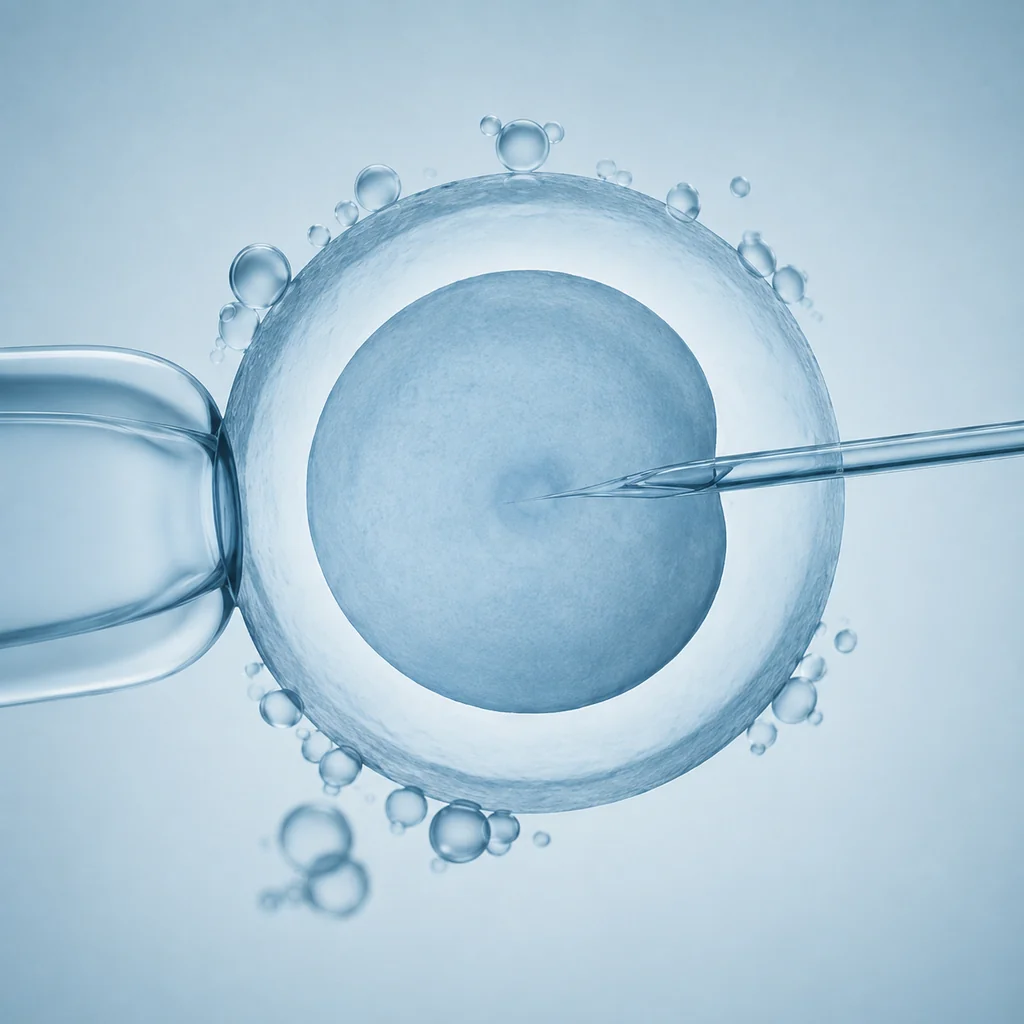
IVF brings eggs and sperm together; ICSI places one selected sperm into an egg. It bypasses travel and penetration but does not correct the cause or guarantee fertilisation, pregnancy or live birth. The same caution matters when comparing Australian IVF success rates, because outcomes depend on the population, treatment stage and denominator being reported.
Why should both partners be assessed in parallel?
Male and female assessment should proceed in parallel because age, ovulation, tubal status, time trying and previous treatment can change the appropriate pace.
A female fertility assessment can proceed while the male result is confirmed. If specialist care becomes appropriate, choosing a fertility specialist or IVF clinic may include asking about male-reproduction expertise, repeat semen testing and how sperm preparation influences treatment decisions.
When should you seek routine, prompt or emergency care in Australia?
Routine fertility review: see a GP or fertility clinician after 12 months of regular unprotected intercourse, or after six months when the partner who may become pregnant is over 35. Seek advice earlier when a semen analysis is abnormal, ejaculation is difficult, libido or erections have changed, or there is a history of undescended testes, chemotherapy, genital surgery, torsion or infection. Those circumstances can also affect when fertility specialist assessment is appropriate.
Prompt clinical assessment: arrange medical examination for a new testicular lump, persistent swelling or heaviness, a change in testicular size or shape, or an ache that does not settle.
Emergency assessment: sudden severe scrotal pain or swelling, especially with nausea or vomiting, may be testicular torsion. Go to the nearest emergency department immediately. Call 000 for an ambulance if the pain is severe, you feel faint or collapse, or you cannot reach emergency care safely.
Frequently Asked Questions about Sperm Motility in Australia
Is low sperm motility the same as a low sperm count?
No. Sperm count describes how many sperm are present; motility describes the proportion that move and how they move. Either measure can be low, within range or changed alongside the other.
Is 0% sperm motility the same as azoospermia?
No. Azoospermia means no sperm were seen. A total-motility result of 0% means sperm were present but none were moving. Vitality testing may distinguish live immotile sperm from sperm that are not alive.
What does 0% rapid progressive motility mean if other sperm are moving?
It does not mean 0% total motility. Slow progressive or non-progressive sperm may still be present. Use the laboratory categories and complete report rather than treating one subcategory as complete immotility.
Can you tell sperm motility from semen appearance or volume?
No. Semen can look normal while motility is low, and ejaculate volume does not show how sperm move. Motility requires assessment of a fresh sample under standardised laboratory conditions.
Can slow progressive sperm still fertilise an egg?
Possibly. Slow progressive sperm are still moving forwards and are included within progressive motility. Fertilisation depends on the total sperm profile, egg and tubal factors, timing and other clinical circumstances, so movement speed alone cannot predict the outcome.
Which sperm-motility range should you use if your laboratory shows a different number?
Use the category, method and reference interval on your report, then compare like with like. Current Australian guidance uses 42% total and 30% progressive motility; older 40% and 32% values may still appear.
Next Steps in Australia
Take the complete report and collection instructions to your GP or fertility clinician, together with the abstinence interval, any lost sample, transport time, recent fever or illness, and a list of medicines, supplements, testosterone or anabolic-steroid use.
At the appointment, confirm whether the highlighted result is total, progressive, rapid progressive, non-progressive or vitality, and check which reference interval and reporting method the laboratory used. Ask whether the sample was complete and handled well enough to interpret and when a repeat sample would provide the most useful comparison.
If the result remains abnormal, discuss which examination, hormone tests, genetic tests or imaging would genuinely change management and whether continued trying, cause-directed treatment, male-reproduction review, IUI, IVF or ICSI fits both partners’ circumstances.
Last reviewed: 4 September 2026
Next scheduled review: September 2027
References
Fertility2Family articles are researched using Australian Government health guidance, professional clinical recommendations and peer-reviewed medical literature. The references below were used to research and medically review this article and provide additional reading for readers who want to explore the evidence in more detail.
Healthy Male. Male infertility clinical summary guide
Australian clinical guidance covering semen collection, current lower reference values, repeat testing, hormone assessment, specialist referral and evidence-limited management after abnormal semen parameters.
Medical Journal of Australia. The first Australian evidence-based guidelines on male infertility
Australian evidence-based recommendations covering concurrent partner assessment, semen testing, targeted hormones and imaging, total motile sperm count, varicocele care and assisted reproduction.
World Health Organization. WHO laboratory manual for the examination and processing of human semen, 6th ed
The current WHO manual sets standardised evidence-based procedures for collecting, examining and processing semen, supporting laboratory quality, motility classification and comparability between services.
Human Reproduction Update. World Health Organization reference values for human semen characteristics
This foundational 2010 reference study established the earlier 40% total and 32% progressive motility limits, retained here only to explain older reports and webpages.
Pregnancy, Birth and Baby. Sperm health
Australian preconception guidance explaining sperm health, factors that may affect semen quality and the roughly three-month period needed for the body to produce new sperm.
Pregnancy, Birth and Baby. Ovulation and fertility
Australian consumer guidance on the fertile window and urinary LH testing, used here to distinguish intercourse timing from the separate question of sperm movement.
Pregnancy, Birth and Baby. All about in vitro fertilisation (IVF)
Australian consumer information explaining conventional IVF and ICSI, including direct injection of a selected sperm into an egg when sperm amount or quality is low.
Healthdirect Australia. Infertility
Australian guidance on infertility, assessment and treatment, including when to seek medical advice after trying to conceive and when known fertility concerns justify earlier review.
Healthdirect Australia. Testicular torsion
Australian emergency guidance describing sudden severe scrotal pain, swelling, nausea or vomiting as possible testicular torsion requiring immediate emergency-department assessment.
Healthdirect Australia. Testicular cancer – symptoms and treatment
Australian guidance on testicular cancer symptoms, including a painless lump, swelling, heaviness or change in testicular size or shape requiring prompt medical assessment.
Reproductive BioMedicine Online. Analytical variability and interpretation of results of a 3-category sperm motility assessment: 5 years’ of an Australian external quality assurance programme
Australian external quality-assurance research showing substantial between-laboratory motility variation and greater risk of crossing a lower reference cut-off when results sit near that boundary.
Royal College of Pathologists of Australasia. Semen analysis fertility
Australasian pathology guidance covering complete sample collection, abstinence, transport within one hour, recording lost specimen, motility assessment and confirmation of an abnormal first sample.