
Fertility Blog Australia: clear guidance and practical next steps
Find reliable Australian information on ovulation, pregnancy testing, cycle tracking, fertility tests and treatment questions. Search the health library, use a fertility tool or choose the topic closest to what you need today.
Nursing-reviewed fertility information · Australian care guidance
What do you need help with today?
 I want to time testingFertile window, LH tests, DPO and when to test again
 I have a result I do not understandFaint lines, negative tests, bleeding or blood results
 I am tracking symptomsPain, mood, bleeding and changes across your cycle
 I am preparing for an appointmentReports, IVF, IUI and questions to bring with you
 I want to explore all fertility guidesSearch the complete fertility and reproductive health library
Every tool, grouped by what you are working out
Pregnancy timing & resultsUnderstand when to test and what your result may meanStart with timing, then move through DPO, home pregnancy-test results, retesting and practical next steps.
A good place to begin if you are counting DPO, looking at a faint line or wondering when to test again.
Best for deciding when to testPregnancy Test Timing CalculatorEstimate when a home pregnancy test is more likely to give a readable result.Timing estimate only — it cannot confirm pregnancy. Best for counting days after ovulationDPO Testing CalendarMap ovulation and days past ovulation so early and later test days are easier to compare.Dates depend on the ovulation estimate you enter.
 Best for early timing questionsImplantation Window CalculatorSee a possible implantation window alongside sensible pregnancy-test timing.It cannot show whether implantation happened.
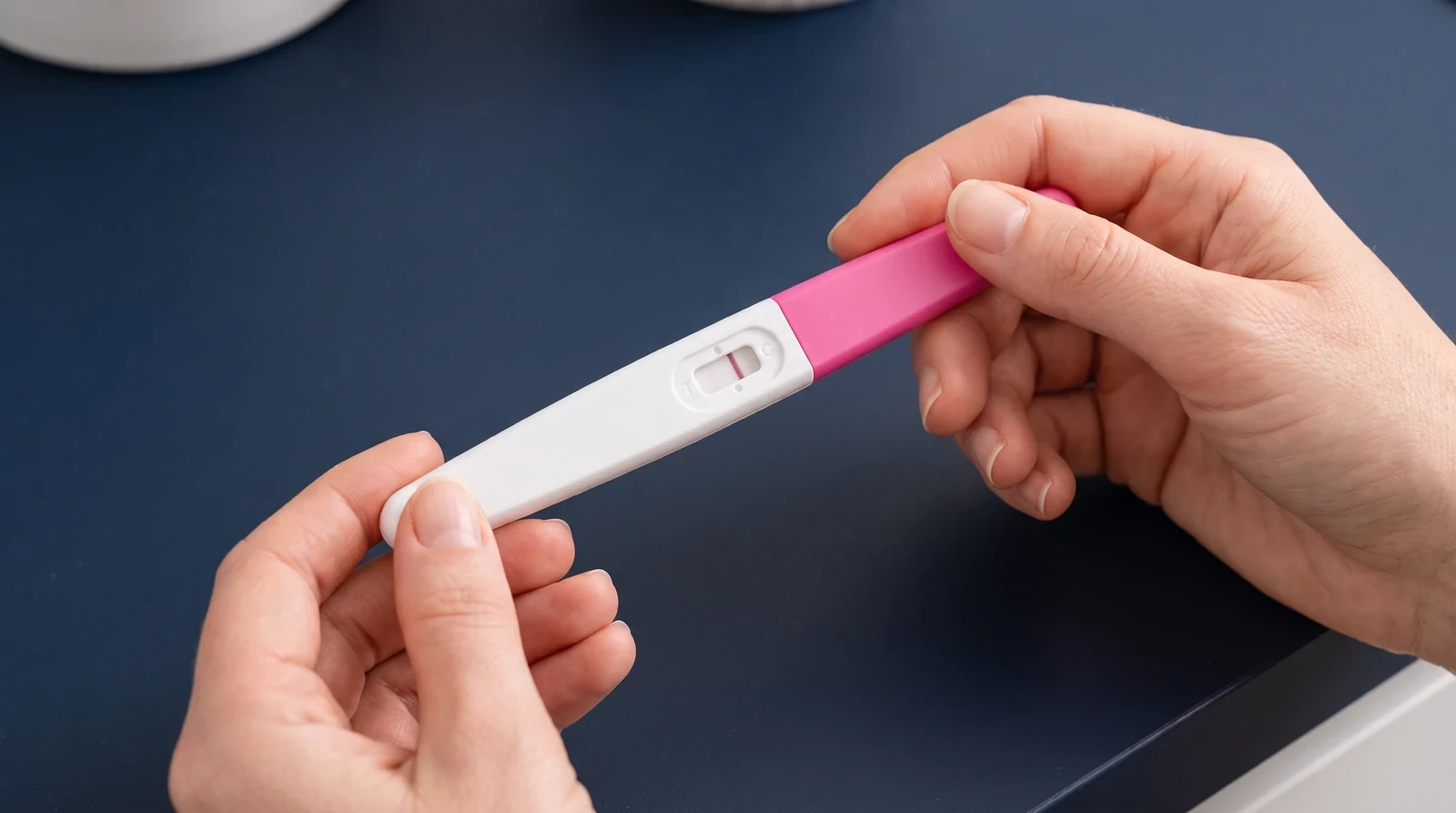 Best for reading a linePregnancy Test Result GuideCheck the control line, test line, reading window and common reasons a result is unclear.Use the instructions supplied with your exact test.
 Best for a negative that feels too earlyFalse Negative Pregnancy Test TroubleshooterWork through timing, urine concentration and test-use factors before deciding when to retest.Ongoing missed periods or symptoms need clinical advice.
 Best for two blood resultsSerial hCG Change CalculatorCalculate the percentage change and time between two laboratory hCG results.Your clinician must interpret the pattern and its context.
 Best for recording an unexpected bleedEarly Bleeding Cycle Next-Step PlannerOrganise timing, bleeding details and symptoms before choosing the next care step.Severe pain, heavy bleeding or fainting needs urgent care.
 Best after a positive resultPositive Pregnancy Test Action PlanCreate a calm checklist for medicines, folate, appointments, symptoms and questions.A home result cannot assess pregnancy location or safety.
Seek urgent care for severe one-sided pain, heavy bleeding, fainting or symptoms that feel unsafe.
Ovulation & cycle trackingMake LH testing and cycle tracking easier to followChoose when to start testing, work through unclear surges, and bring BBT and cervical mucus patterns together.
Start here if your fertile window is hard to identify or your ovulation tests never look clearly positive.
Best first ovulation toolOvulation Test Start-Day CalculatorTurn your usual cycle length into a practical day to begin LH testing.Irregular cycles may need a wider testing window.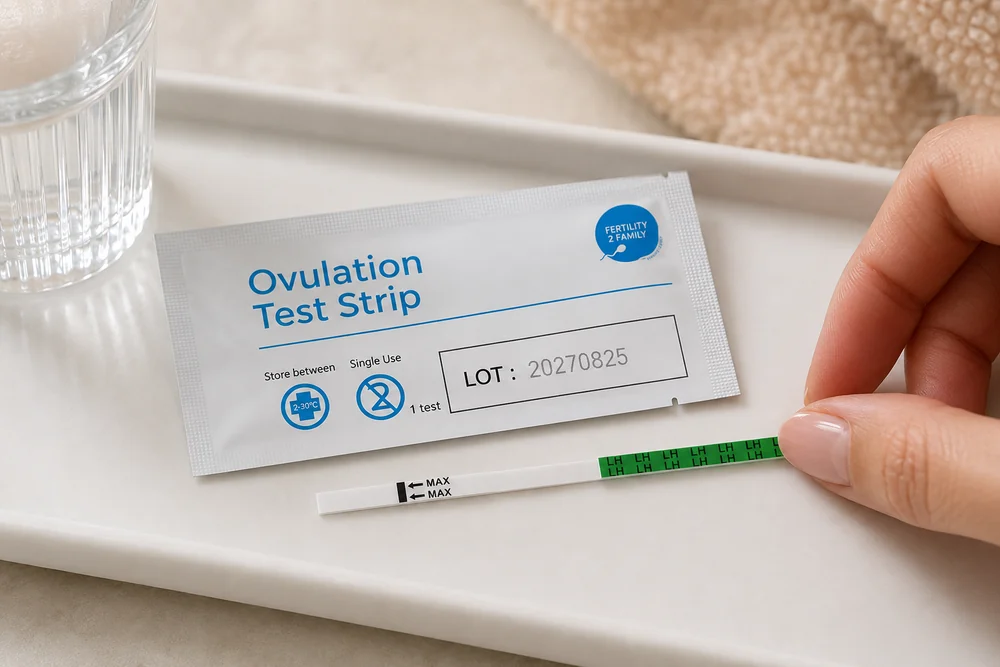 Best for unclear or missed surgesLH Test TroubleshooterReview test timing, fluid intake, line changes and cycle variation across repeated results.An LH surge does not confirm ovulation with certainty.
 Best for waking temperaturesBBT Chart AnnotatorAdd cycle days, LH results and notes to a basal body temperature pattern.Read a sustained pattern, not one temperature.
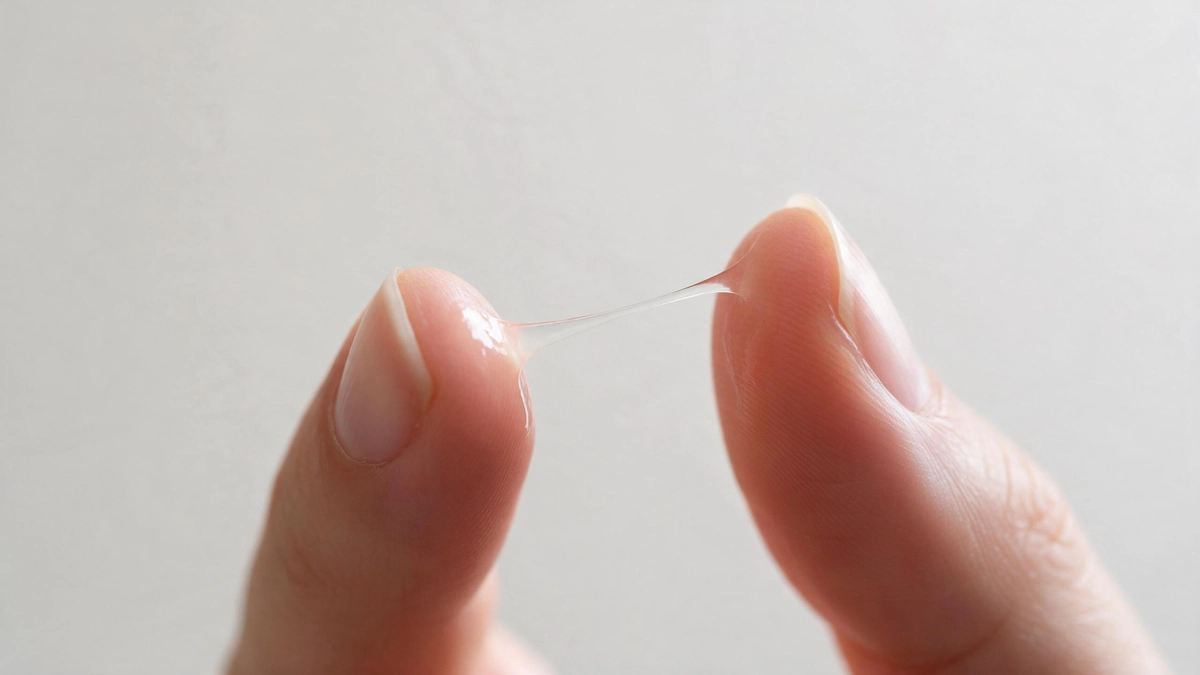 Best for daily cycle observationsCervical Mucus and Cycle DiaryRecord cervical mucus changes beside LH results to spot repeating patterns.Mucus observations alone cannot confirm ovulation.
If several cycles have no clear surge or are very irregular, ask a GP about other ways to assess ovulation.
Fertility tests & reportsUnderstand fertility test results before your next appointmentTurn AMH units and semen-analysis terms into clearer questions for your GP or fertility clinician.
Start here when a laboratory report feels difficult to interpret on its own.
Best for a laboratory reportAMH Unit Converter and ContextConvert pmol/L and ng/mL while keeping age, laboratory and clinical context visible.It converts units; it does not grade fertility. Best for male-factor reportsSemen Analysis Result GuideUnderstand what concentration, motility, morphology and volume describe.One sample is rarely the whole clinical picture.
Laboratory reference ranges describe populations. Your clinician should interpret your result in context.
IVF & IUI planningCompare IVF and IUI information with more confidenceBring clinic percentages, treatment inclusions and likely costs into one clearer comparison.
Useful before a clinic appointment or when two reported success rates do not seem to match.
 Best for comparing clinic statisticsIVF Success Rate Denominator DecoderSee whether a headline rate is per cycle, transfer, pregnancy or live birth.Published rates do not predict an individual outcome.
 Best for planning questionsIUI Cost and Success ComparatorPlace fees, inclusions, cycle assumptions and reported outcomes side by side.Confirm current costs and suitability with each clinic.
Ask clinics to explain the denominator, age band, exclusions and whether a figure means pregnancy or live birth.
Products, costs & supplementsCompare testing costs and prenatal labels more clearlyLook at price per test and common prenatal ingredients before choosing or combining products.
Useful when repeat testing costs are adding up or two supplement labels appear to overlap.
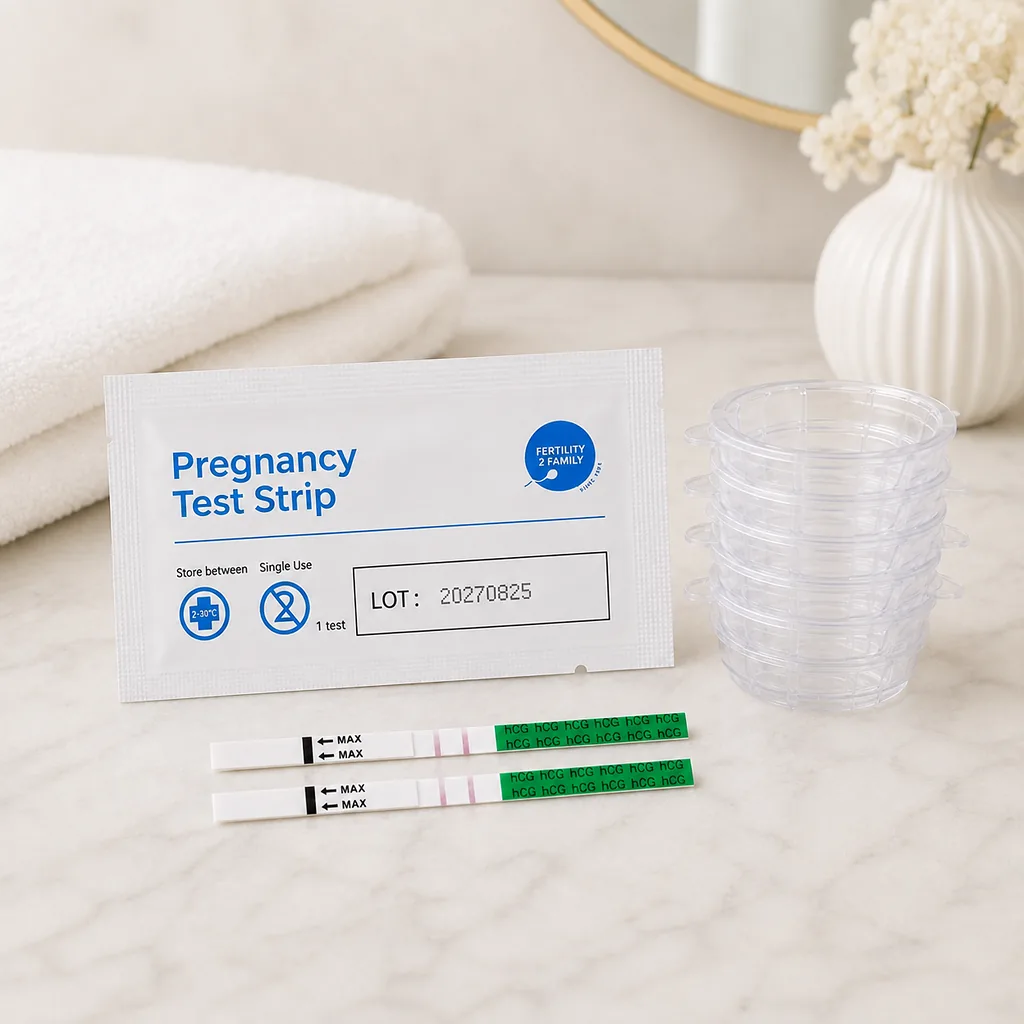 Best for comparing pack valueAustralian Pregnancy Test Price TrackerCompare Australian pack sizes, dates and price per test on the same basis.Price and availability can change after you record them.
 Best before combining supplementsPrenatal Vitamin Label CheckerCheck folate, iodine, iron and duplicated ingredients against an Australian preconception checklist.A pharmacist or GP should review medicines and individual needs.
Check medicines, health conditions and combined nutrient amounts with a pharmacist or GP before combining supplements.
Symptoms & appointmentsTurn symptoms into a clearer record for your appointmentTrack pain, bleeding, mood and cycle changes so the pattern is easier to explain.
Start here when symptoms only make sense across several weeks or cycles.
Best for a care conversationEndometriosis and Pelvic Pain DiaryRecord pain, timing, bleeding and day-to-day impact in a concise appointment summary.Pain that stops normal activity deserves clinical review. Best for symptoms across two cyclesPMS and PMDD Symptom DiaryTrack mood and physical symptoms by cycle day so timing is clearer at an appointment.Seek prompt help if symptoms make you feel unsafe.
Do not keep tracking indefinitely when pain affects work, sleep or daily life, or mood symptoms make you feel unsafe.
Guides worth reading next
Pregnancy tests & DPO8 DPO: Symptoms, Testing and Pregnant or PMS SignsUpdated 9 May 2026 · 12 min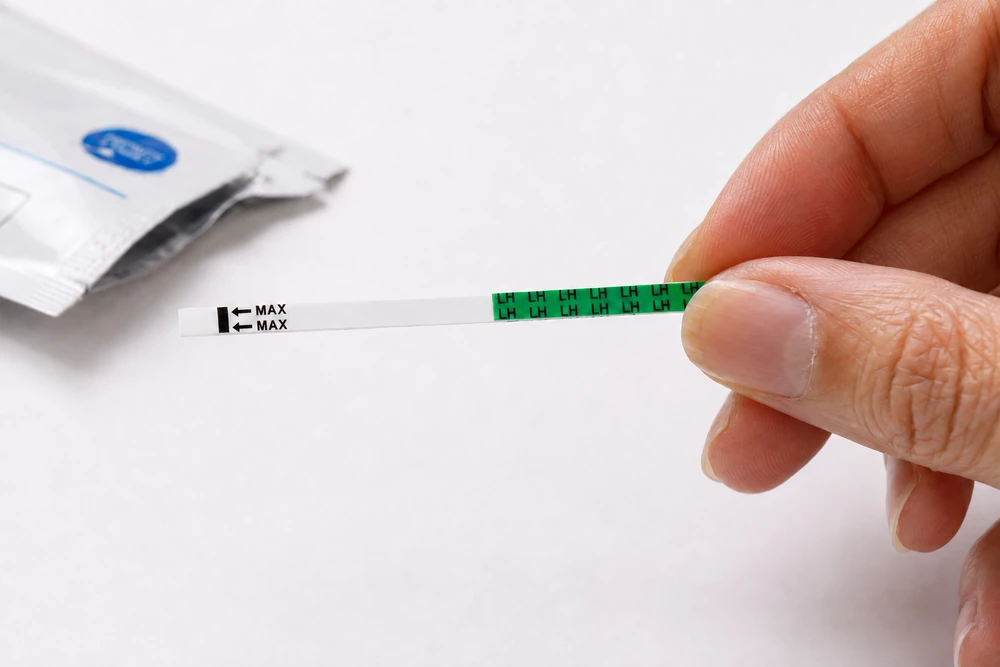 Ovulation & cyclesFertile Window: How Long Does Ovulation Last?Updated 2 May 2026 · 9 minPregnancy tests & DPOFaint Line on a Pregnancy Test: Positive, Evaporation Line or Too Early?Updated 2 May 2026 · 11 min
113 fertility and reproductive health guides
Showing 1–12 of 113 guides
What Is an Obstetrician? Pregnancy Care in Australia
An obstetrician is a doctor who cares for you during pregnancy, birth and recovery after birth. They can provide medical treatment and surgery when needed, including caesarean birth.…

How to Support Someone With Infertility: What to Say
Support someone with fertility problems by listening without trying to fix the situation, protecting their privacy and offering specific help. Let them choose whether to talk. Reliable support…
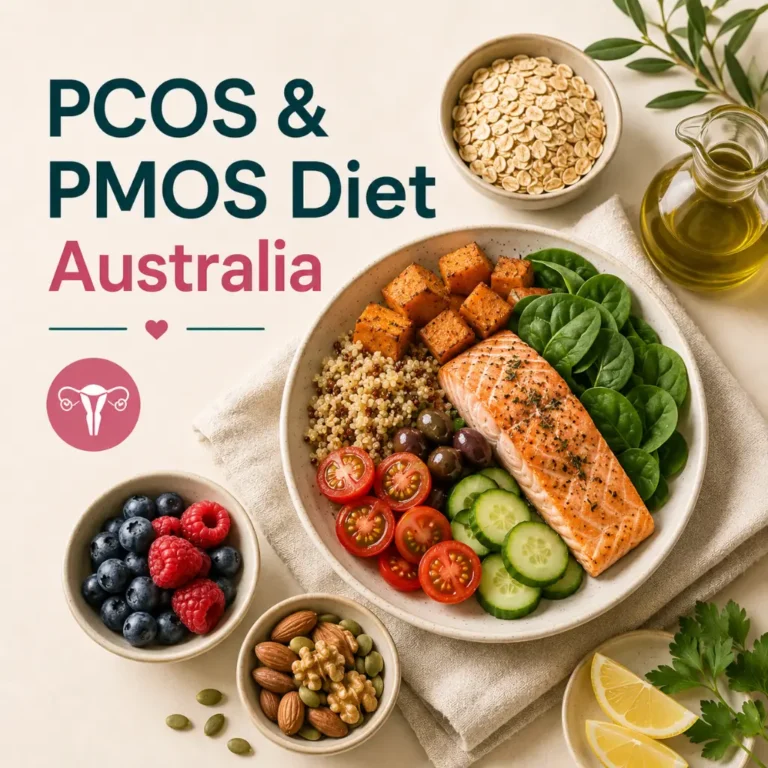
PCOS (PMOS) Diet in Australia: Food List and Three-Day Meal Plan
A useful PCOS eating plan should make meals easier to organise, not turn bread, fruit and family dinners into problems. There is no single best PCOS or PMOS…
PCOS (PMOS) and Insulin Resistance: Tests, Metformin and Fertility
If you have been told you have PCOS, now called PMOS in Australia, it is understandable to wonder whether insulin resistance is automatic. It is not. Symptoms, body…

PCOS (PMOS) Supplements & Vitamins in Australia: What the Evidence Supports
If you already take a prenatal vitamin, inositol or magnesium, another PCOS supplement may help a defined need or simply duplicate ingredients. There is no single best PCOS…
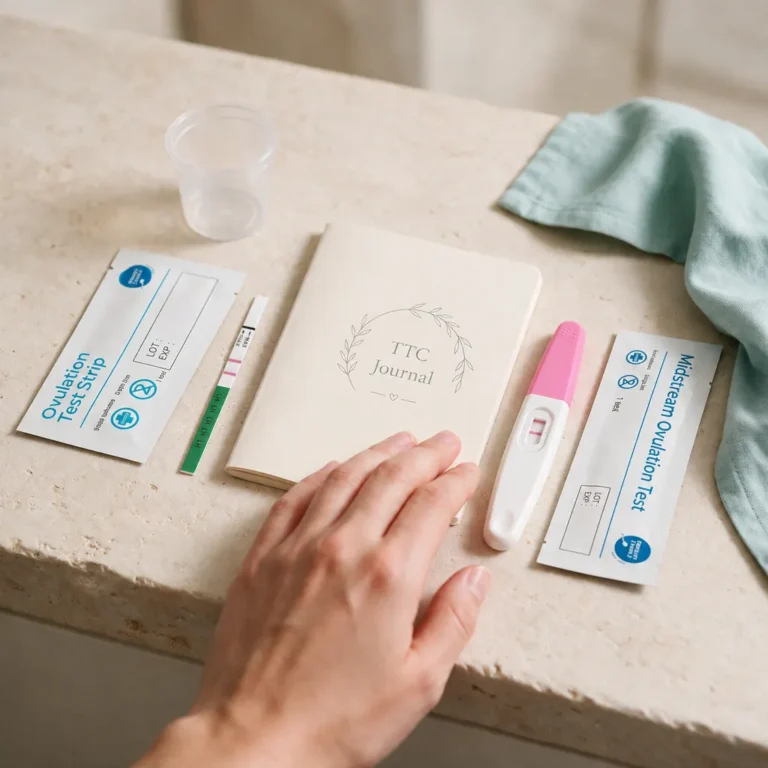
How to Track Ovulation With PCOS (PMOS) and Irregular Cycles
Ovulation tests that stay positive, never turn positive or disagree with an app can make PCOS tracking frustrating. You can track fertile days with PCOS, but predicting ovulation…
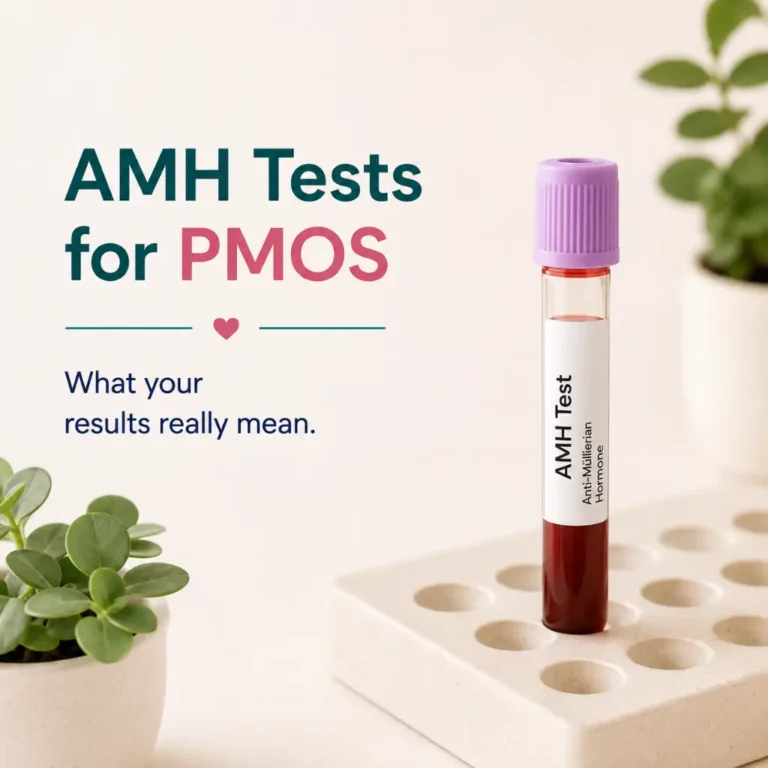
AMH Test for PCOS (PMOS) Diagnosis in Australia
An AMH test can contribute to PCOS or PMOS diagnosis in selected adults, but a high AMH result cannot diagnose the condition by itself. PMOS, polyendocrine metabolic ovarian…
Inositol for PCOS (PMOS): Benefits, Dosage, Timing and Safety
Inositol may improve some metabolic measures in people with PCOS, but it is not an established fertility treatment. A commonly researched amount is 4 g of myo-inositol daily,…

Female Infertility: Signs, Causes and Tests in Australia
Female infertility describes difficulty achieving pregnancy when a female reproductive factor is present or suspected. No single symptom, home test or blood result identifies every cause. In Australia,…

Two-Week Wait Symptoms: A DPO Guide to Testing and Next Steps
Waiting between ovulation and an expected period or pregnancy test can make every cramp, breast change or shift in discharge feel important. This interval is commonly called the…
8 DPO Symptoms and Pregnancy Tests: Test Today or Wait?
At 8 DPO, it is understandable to want an answer now while also dreading a negative that may not mean much. A home pregnancy test can be positive…
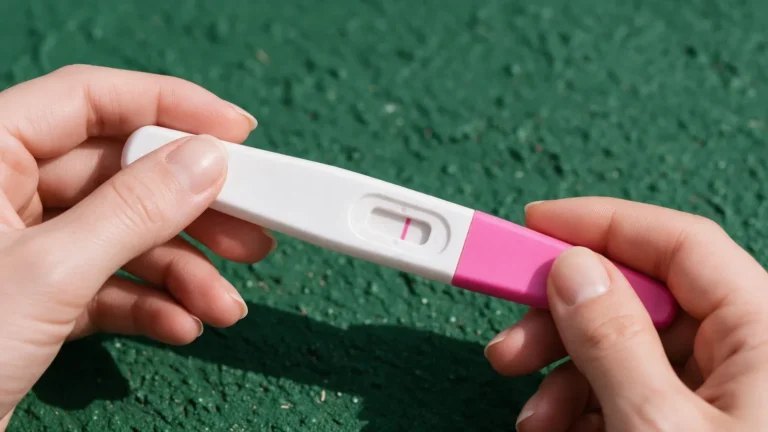
9 DPO Symptoms and Pregnancy Tests: What a Negative Means
Seeing a negative pregnancy test at 9 DPO can feel like an answer, especially after several days of watching for symptoms. At this point, it is usually one…
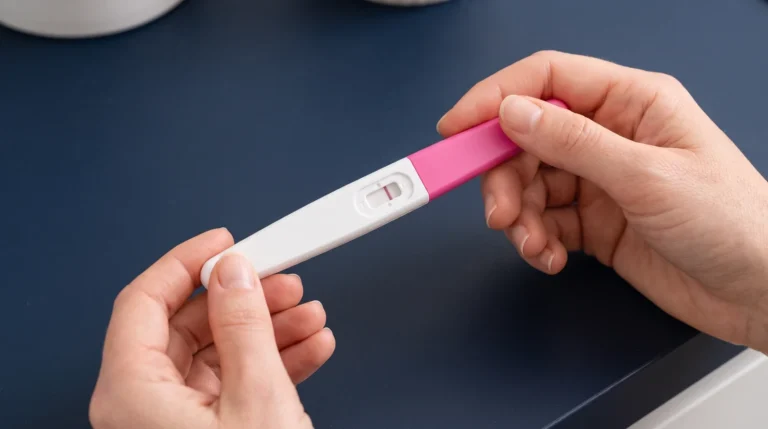
10 DPO Pregnancy Test Results: Negative, Positive or Invalid
At 10 DPO, a negative result, a faint line or a test that changed after drying can lead to very different next steps. First check whether the pregnancy…
11 DPO Pregnancy Test: How to Compare Changing Results
An 11 DPO pregnancy test may be negative, positive or unclear, and it may not match an earlier result. A valid negative at an estimated 11 DPO can…
12 DPO Pregnancy Test: What a Negative Means Near Your Expected Period
A negative pregnancy test at 12 DPO may be followed by a positive result on a later fresh test. Your expected-period date can help you decide whether to…

16 DPO, Negative Pregnancy Test and No Period: What Next?
Another negative pregnancy test when your period still has not started can make every cramp or symptom feel important. When ovulation timing is well supported and the test…

4 DPO Symptoms: What Changed This Cycle and When to Test
If you are 4 DPO and a cramp, discharge change or complete lack of symptoms feels different from your usual cycle, it is understandable to wonder whether this…
5 DPO Symptoms: What They Can Mean and Your Testing Plan
At 5 DPO, it can be hard to choose a testing date when cramps, discharge changes or having no symptoms keep drawing your attention back to pregnancy. A…
6 DPO Symptoms: What Research and Home Tests Can Tell You
At 6 DPO, cramps, nausea, fatigue, spotting or a change in discharge can feel significant, but none can tell you whether you are pregnant. It is usually too…

7 DPO Symptoms: What They Mean and How to Handle the Wait
At 7 DPO, every cramp, change in discharge or quiet symptom-free day can feel loaded with meaning. The symptom may be real, but it is not a reliable…
3 DPO Symptoms: Cramps, Discharge and What to Do Today
At 3 DPO, a cramp, wave of nausea or change in discharge may leave you wanting both an explanation and some relief. The symptom can be real, but…

1 to 3 DPO Symptoms: What Happens in the First 72 Hours?
If you are counting 1 to 3 DPO, the first question is how confidently ovulation was dated. Cramps, twinges or discharge changes may be real, but this early…

Egg-White Cervical Mucus: How Long Until You Ovulate?
If you have ever noticed clear, slippery, stretchy discharge and wondered whether it means ovulation is happening today, the useful answer is a little less exact. Egg-white cervical…
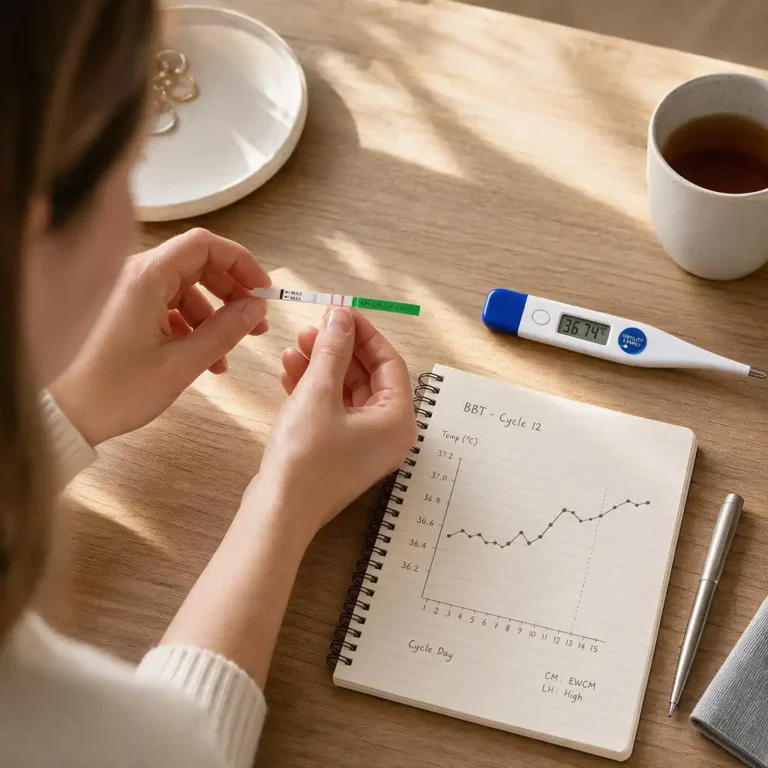
How to Use Basal Body Temperature (BBT) to Get Pregnant in Australia
Basal body temperature (BBT) is your resting temperature measured immediately after waking, before normal daily activity begins. If you are using BBT to get pregnant, its most useful…
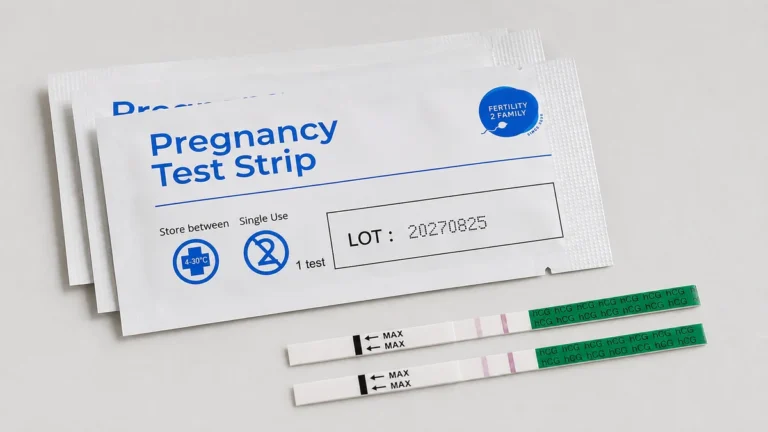
How Much Does a Pregnancy Test Cost in Australia?
Pregnancy tests in Australia can cost from about 48 cents per test in a large bulk strip pack to about $19 for a single digital test, based on…
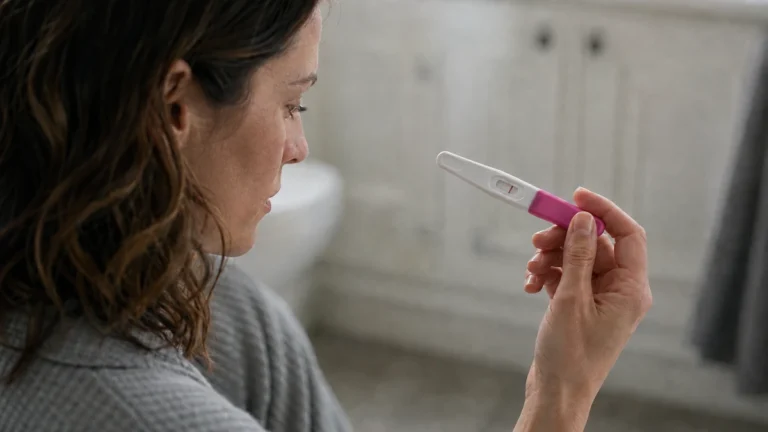
Faint Line on a Pregnancy Test: Is It Positive?
You have taken a pregnancy test and there are two lines, but the second is so faint that you are not sure it counts. A faint coloured line…

Getting Pregnant With PCOS (PMOS): Your Australian Care Guide
You can get pregnant with PCOS, now called PMOS. Many women conceive naturally; others need help with ovulation or another fertility factor. Irregular or absent periods can reduce…
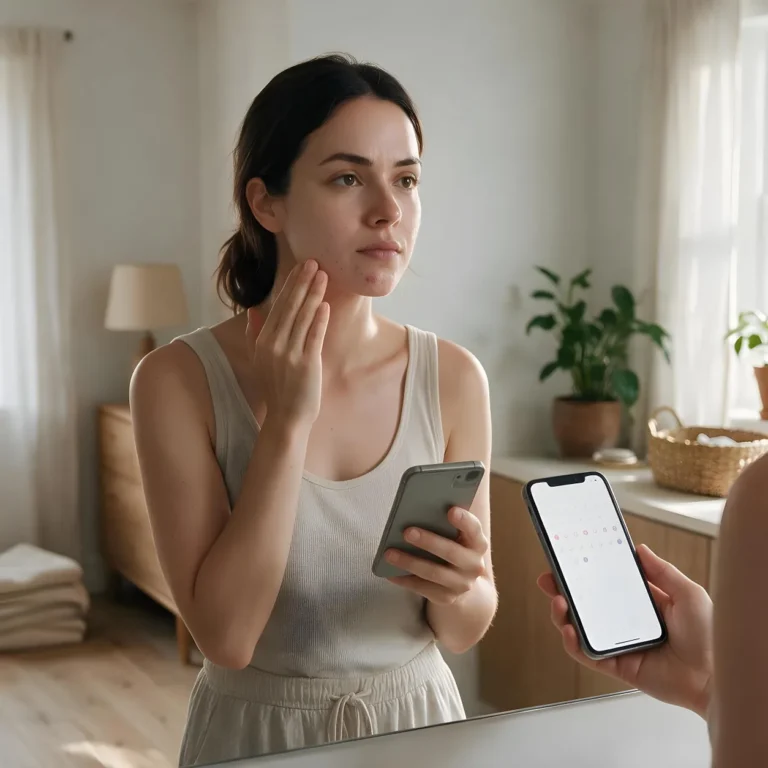
Acne During Ovulation: Why You Break Out and What It Means
If your chin or jawline seems to break out at almost the same point each cycle, it is easy to wonder whether the pimples are telling you that…
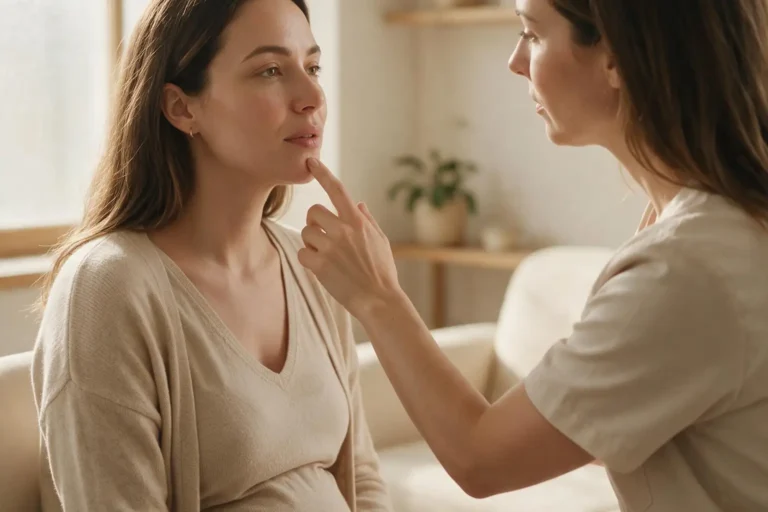
Can You Get Lip Filler When Pregnant? Dermal Filler Safety & Next Steps
If a lip-filler appointment is already in your calendar, a positive pregnancy test or a cycle where pregnancy is possible can turn a routine cosmetic decision into an…
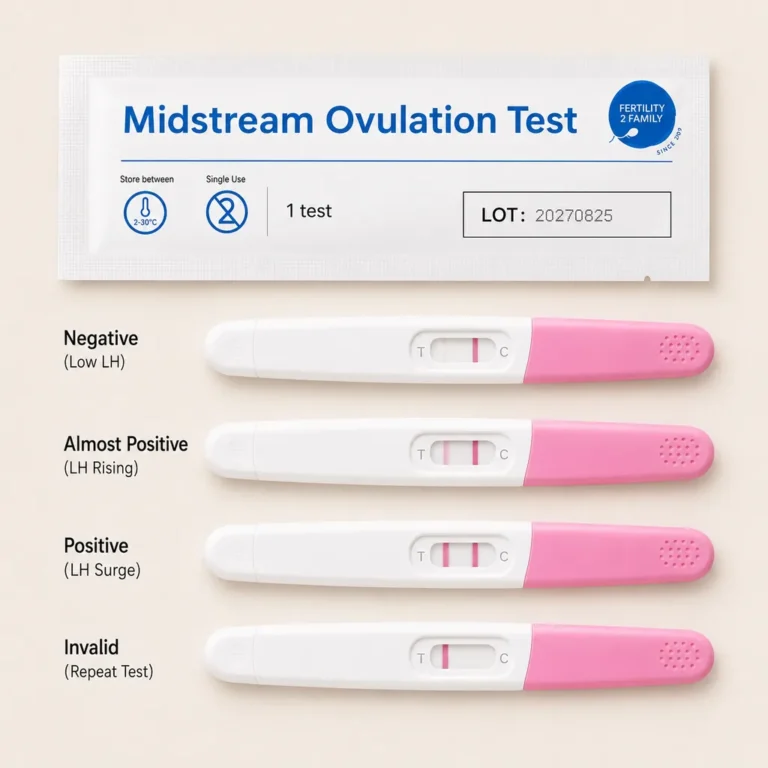
Midstream Ovulation Test Instructions: How to Use and Read Results
If you have a midstream ovulation test in your hand and are wondering whether you started on the right day, wet the tip enough or read a faint…
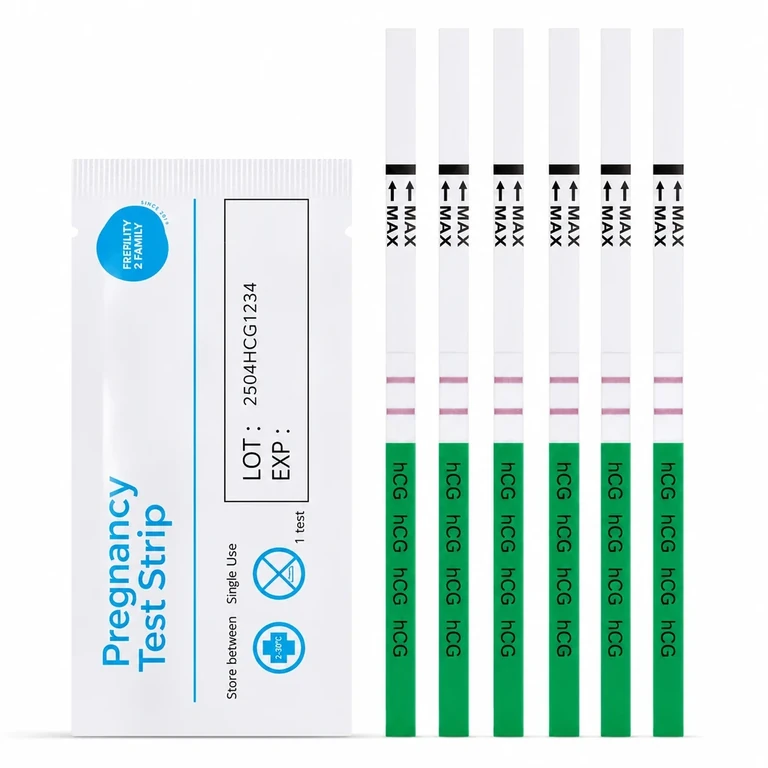
Pregnancy Test Strip Instructions
Fertility2Family pregnancy test strips are made for home urine testing after a missed period or when you need to check whether hCG is present. They are simple to…
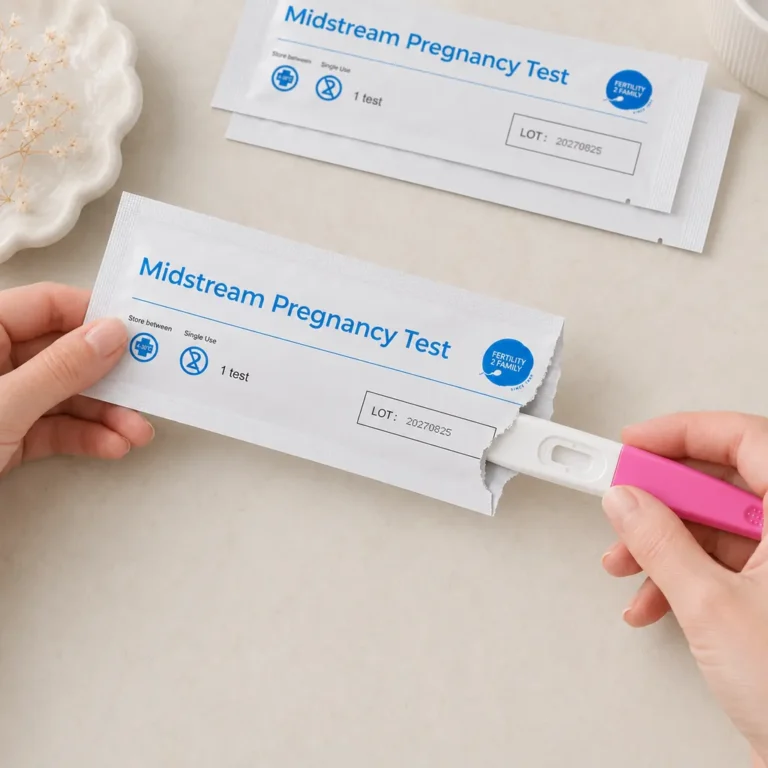
Midstream Pregnancy Test Instructions
Fertility2Family midstream pregnancy tests are made for home urine testing when you want a direct pregnancy test format without collecting urine in a cup. This type of home…
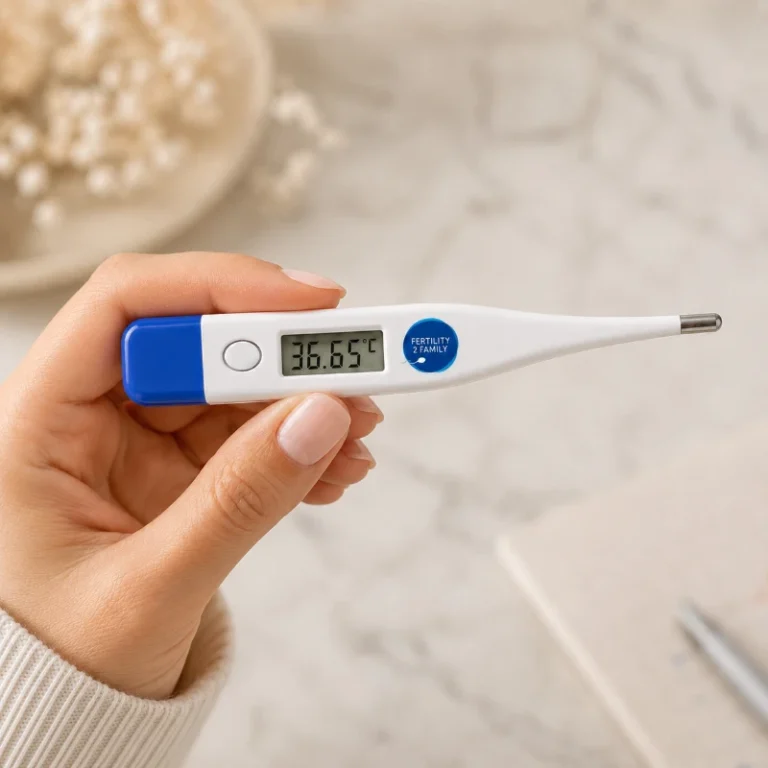
Basal Body Thermometer Instructions
Fertility2Family basal body thermometers are made for home cycle tracking when you want to record small resting temperature changes across your menstrual cycle. Basal body temperature, often called…

Do You Ovulate on the Pill? Combined and Mini Pill
Whether you ovulate on the pill depends on which pill you mean. The combined pill is designed to suppress ovulation. Progestogen-only pills are not one identical group: drospirenone…
Can You Get Botox While Pregnant? Australian Medical Guidance
Cosmetic Botox is not recommended during pregnancy in Australia because adequate human safety data are not available. An injection given before pregnancy was recognised has not been proven…
Implantation Bleeding: Colour, Flow, Timing and When to Test
Implantation bleeding cannot be confirmed from spotting alone. Pink, brown or red blood, light flow, cramps and timing can overlap with a period, cervical bleeding and early-pregnancy complications.…

ADHD Medication and Fertility: Trying to Conceive in Australia
ADHD medicine may be part of how you manage work, appointments, routines and everyday safety. Trying to conceive does not automatically mean dexamfetamine, lisdexamfetamine, methylphenidate or another prescribed…
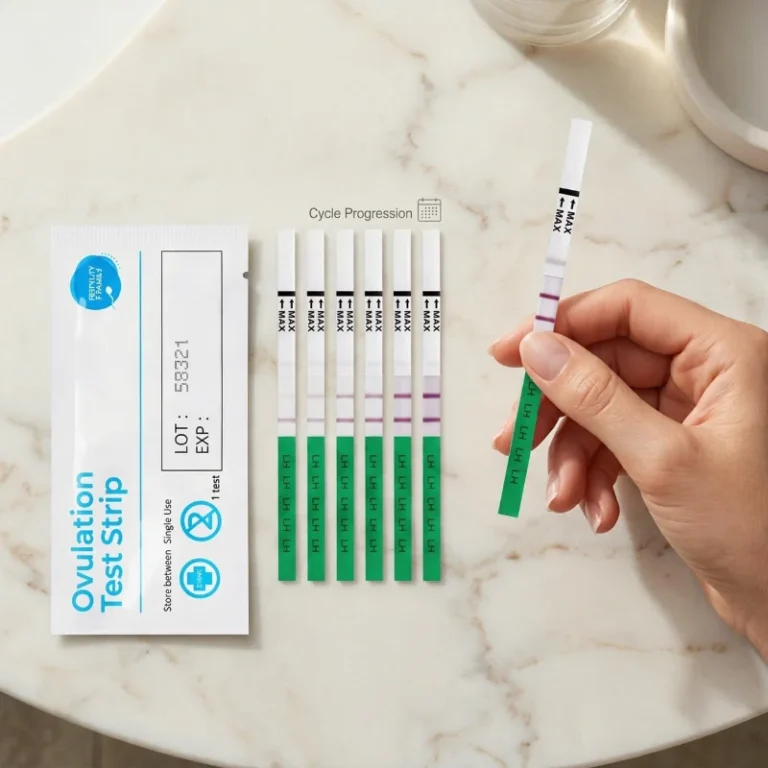
Ovulation Test Strip Instructions
Fertility2Family ovulation test strips are made for home urine testing when you want to detect your luteinising hormone surge, often called the LH surge. The LH surge usually…

Tasmania IVF Rebate 2026: Eligibility, Costs and How to Apply
Tasmania’s IVF rebate offers eligible residents up to $2,000 towards qualifying fertility treatment costs. Applications are open for services received from 1 July 2026 through TasIVF or Fertility…

PMOS Symptoms Australia (PCOS): Signs, Checklist and GP Tests
When irregular periods, persistent acne or new hair changes appear together, it is understandable to wonder whether PMOS is the reason. PMOS may be one possibility, but the…
Repeated IVF Failure in Australia: What to Review Before Your Next Cycle
Several unsuccessful IVF cycles do not automatically prove that implantation is the problem. The most useful review starts earlier: identify the exact stage where each cycle lost potential,…
Ovulation Tests on Birth Control: Can You Trust the Result?
You can take an ovulation test while using birth control, but the result often cannot answer the question you are trying to solve. Hormonal contraception can suppress ovulation…

Do Ovulation Tests Work With Endometriosis?
Yes, ovulation tests can be useful with endometriosis, but a positive result is a timing clue, not a complete fertility check. An ovulation predictor kit (OPK) detects a…

IVF Success Rates Australia: Age, Cycles and Live Birth
Two Australian IVF pages can quote very different “success rates” without either number being mathematically wrong. One may mean live birth per cycle started, another pregnancy per embryo…
When to Have Sex After a Positive Ovulation Test
If your ovulation test has just turned positive, the next question is usually immediate: do you need to have sex now, tonight or tomorrow? The useful answer is…
Diarrhoea During Ovulation: Is It Normal and What Helps?
If loose stools seem to turn up around the same point in your cycle, it is reasonable to wonder whether ovulation is behind it. The timing can feel…

Male Fertility Test in Australia: Semen Analysis, Results & Cost
If male fertility is part of the question, a laboratory semen analysis is usually the most useful first test in Australia. It checks far more than sperm count…
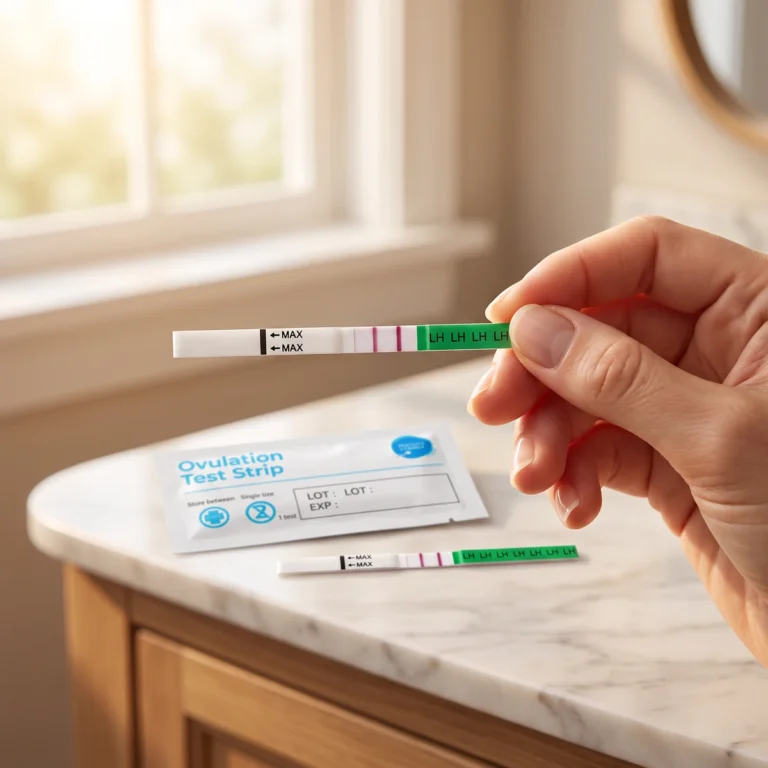
Faint Line on an Ovulation Test: What Does It Mean?
If you have stared at a faint ovulation test line and wondered whether it counts as positive, the short answer is usually no. On a line-based ovulation test,…
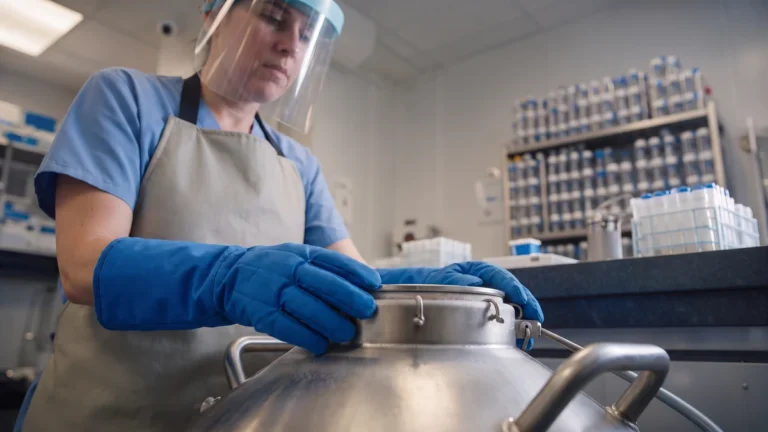
Fertility Preservation in Australia: Options, Costs and Timing
A fertility-preservation decision can arrive suddenly, when you are already processing a diagnosis, or gradually, when future family plans still feel uncertain. You do not need to choose…

How Long After a D&C Can You Try to Conceive?
If you have had a D&C after a miscarriage and are already thinking about trying again, it can be frustrating to find different answers. You may be told…

Antibiotics While Trying to Conceive: Can You Keep Trying?
You can get pregnant while taking antibiotics, and a short course does not automatically mean you need to stop trying. The useful question is whether your particular medicine…

When to See a Fertility Specialist in Australia: 6 or 12 Months?
Deciding whether to keep trying for another cycle or ask for help can feel like a judgement on your body, your relationship or the time already spent trying.…

Trying to Conceive but Got Your Period Early? What It Means
If you are trying to conceive and bleeding starts several days earlier than expected, it can make a carefully tracked cycle suddenly feel off. You may wonder whether…
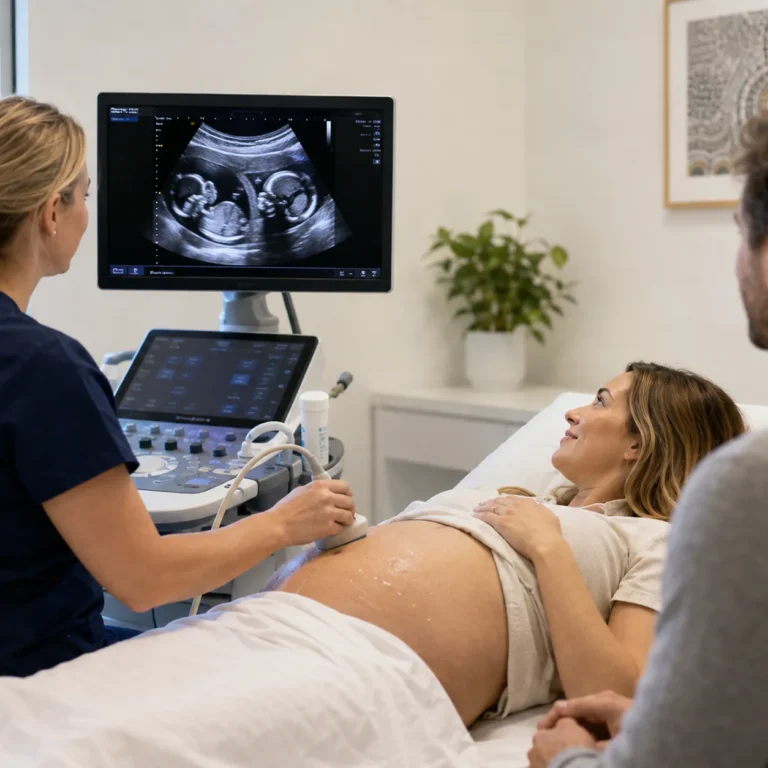
Pregnant with Twins? Symptoms, Scans and What to Expect in Australia
If nausea feels stronger than you expected, your pregnancy test turned positive early, or you simply have a feeling there may be two babies, it is natural to…
Hyperovulation: Can You Release Two Eggs in One Cycle?
If you have had two LH surges, felt ovulation pain on both sides or noticed a cycle that seems different from usual, it is easy to wonder whether…
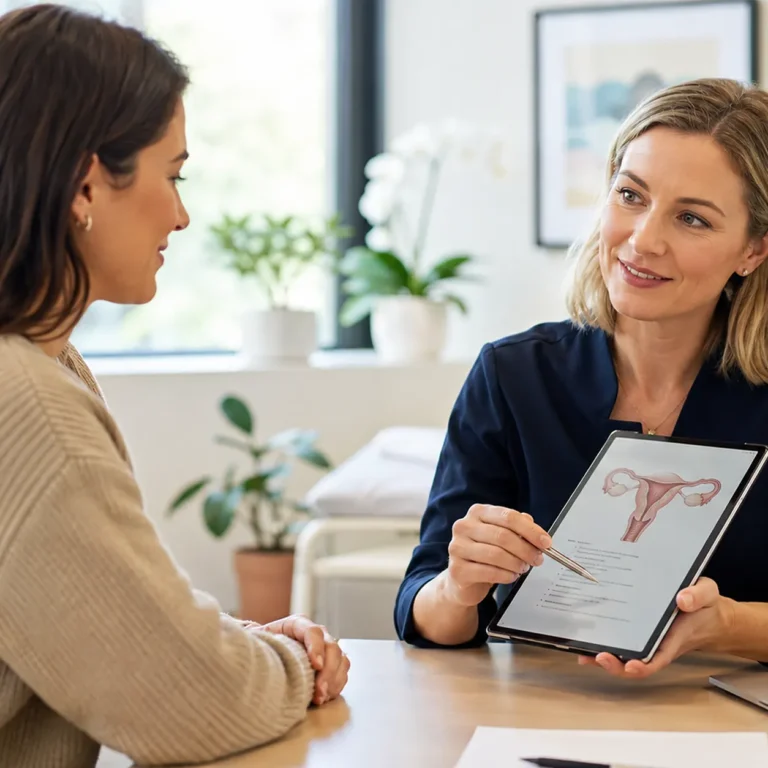
Pregnancy After LEEP or LLETZ: How Soon Can You Try?
Being told you need a LLETZ or LEEP can make future pregnancy feel uncertain, even when the treatment itself was straightforward. The reassuring answer is that pregnancy is…
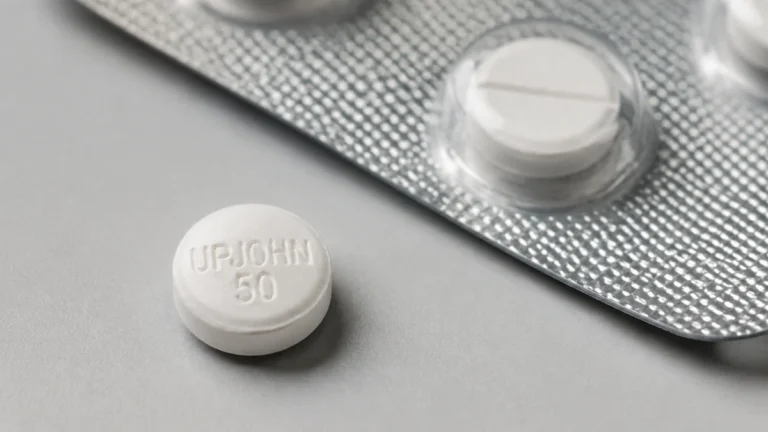
How Long After Provera Does Your Period Start?
Waiting for bleeding after Provera can make every day feel significant, especially when the tablets were prescribed before fertility treatment. After a short prescribed course of oral Provera…

No Period and Negative Pregnancy Test: Reasons and When to Retest
A late period and a negative pregnancy test can leave you unsure which result to trust. The two are not measuring the same thing: an app estimates when…

Too Much Cervical Mucus or Ovulation Discharge?
Seeing much more slippery or mucus-like discharge than usual can be unsettling, especially when you are trying to work out whether it means ovulation, pregnancy or infection. Often,…
Donor Eggs in Australia: IVF Costs, Process and Success Rates
Being told that donor eggs may be the next option can bring relief, grief, urgency and questions about genetic connection at the same time. In Australia, donor eggs…
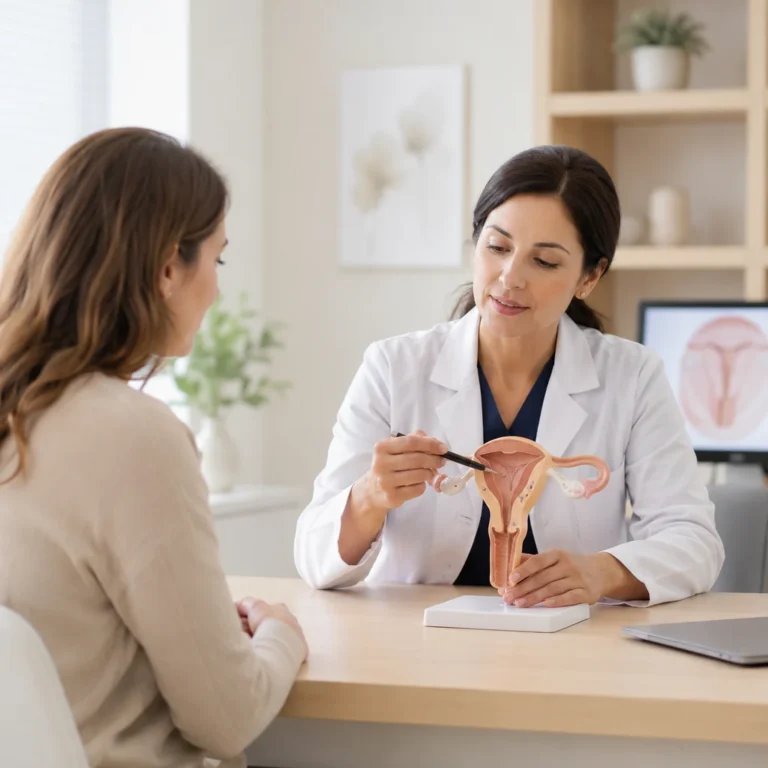
Intrauterine Adhesions (Asherman Syndrome): Symptoms, Diagnosis and Treatment
Intrauterine adhesions are bands of scar tissue inside the uterine cavity. They are also called intrauterine synechiae, and when they are associated with menstrual, pain or fertility problems…

Sperm Motility: Normal Range, Low Results & What to Do
Seeing “low motility” on a semen report can feel like a verdict. It is not. Motility describes movement in one sample and a low percentage alone cannot diagnose…

Ovidrel Trigger Shot: Timing, False Positives and Side Effects
If your fertility clinic has given you an exact Ovidrel trigger time, it can feel as though a small timing mistake could undo the whole cycle. The important…
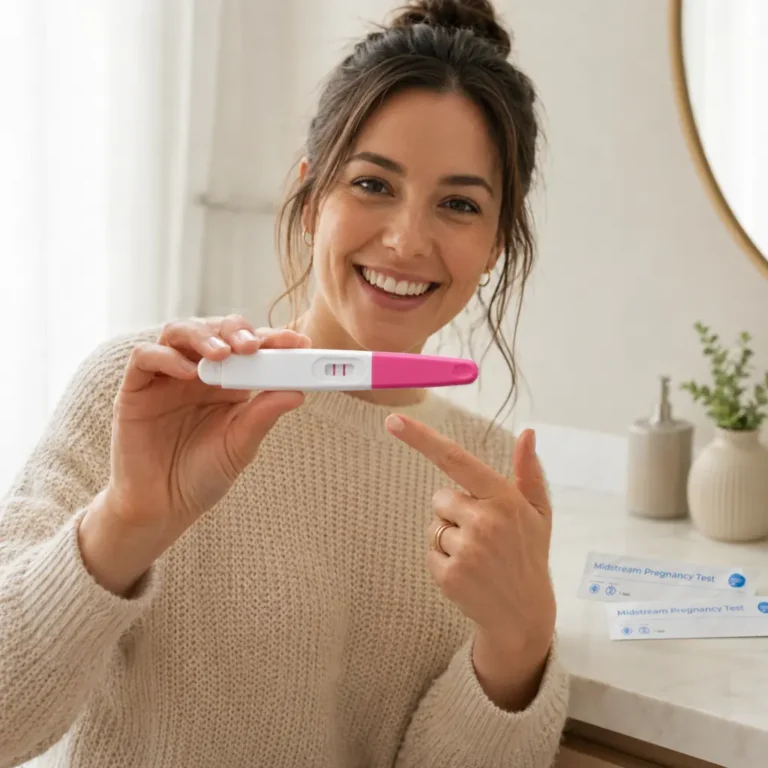
Positive Ovulation Test When Pregnant? What It Really Means
Seeing a dark ovulation-test line when your period is due can feel like an early pregnancy answer. It can happen during pregnancy, but an ovulation predictor kit (OPK)…

No Cervical Mucus? Causes, Vaginal Dryness and What to Do
If your fertile window has arrived but you are seeing no slippery or egg-white cervical mucus, it is easy to wonder whether you missed ovulation or whether conception…

Clomid for Men in Australia: Fertility Uses, Evidence and Risks
If Clomid has been suggested after a low sperm count or low testosterone result, the useful question is not simply whether it “works for men”. It is whether…

Fertility Massage: What the Evidence Really Shows
People searching for fertility massage, conception massage or massage to help get pregnant are often looking for something practical they can do. A calm, respectful massage may help…
Clomid Side Effects in Australia: What’s Common and When to Get Help
If a Clomid cycle has left you noticing every headache, hot flush or pelvic twinge, that uncertainty is understandable. Most effects are manageable, but a few change what…

Can You Have Egg White Cervical Mucus and Not Ovulate?
Yes. You can have egg-white cervical mucus, often shortened to EWCM, without confirmed ovulation. This clear, slippery or stretchy mucus usually reflects rising oestrogen, not the physical release…

Do Pregnancy Symptoms Come and Go? When to Seek Help
Yes, pregnancy symptoms can come and go in early pregnancy. Nausea, breast tenderness, tiredness and bloating can feel different from one day to the next. Feeling pregnant yesterday…
How Soon After Sex Can Pregnancy Symptoms Start?
If you had sex recently and now feel nauseous, crampy or simply different, the timing matters more than the symptom. A pregnancy caused by that intercourse cannot produce…
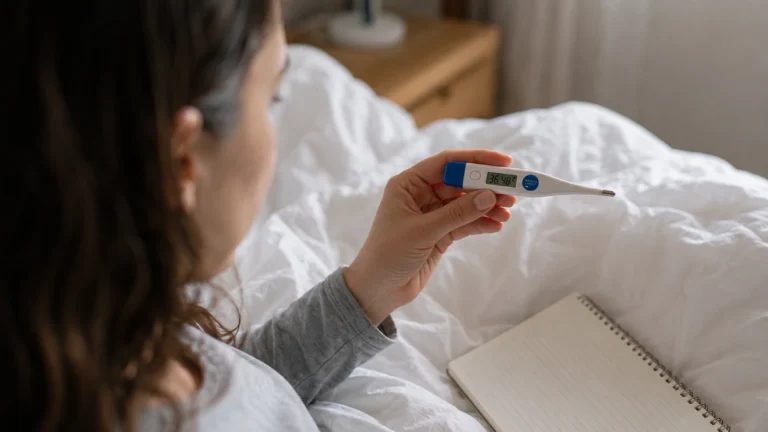
Implantation Dip on a BBT Chart: Pregnancy Sign or Normal Variation?
Seeing your basal body temperature fall during the two-week wait can make one chart point feel like the answer you have been waiting for. An “implantation dip” is…

Can You Get Pregnant After Ovulation? Timing and Chances
Had sex after your app’s ovulation day? Pregnancy is still possible, but the answer depends on whether that date was only a prediction or whether egg release was…

Triphasic BBT Chart: Does a Third Rise Mean Pregnancy?
If your basal body temperature (BBT) has stepped up again after ovulation, it is understandable to wonder whether the chart is finally showing pregnancy. The pattern can feel…

IUI Cost Australia 2026: Prices, Medicare and Success Rates
If you are comparing IUI in Australia, the advertised price may not be what you finally pay. Examples from provider pages checked on 17 October 2026 range from…
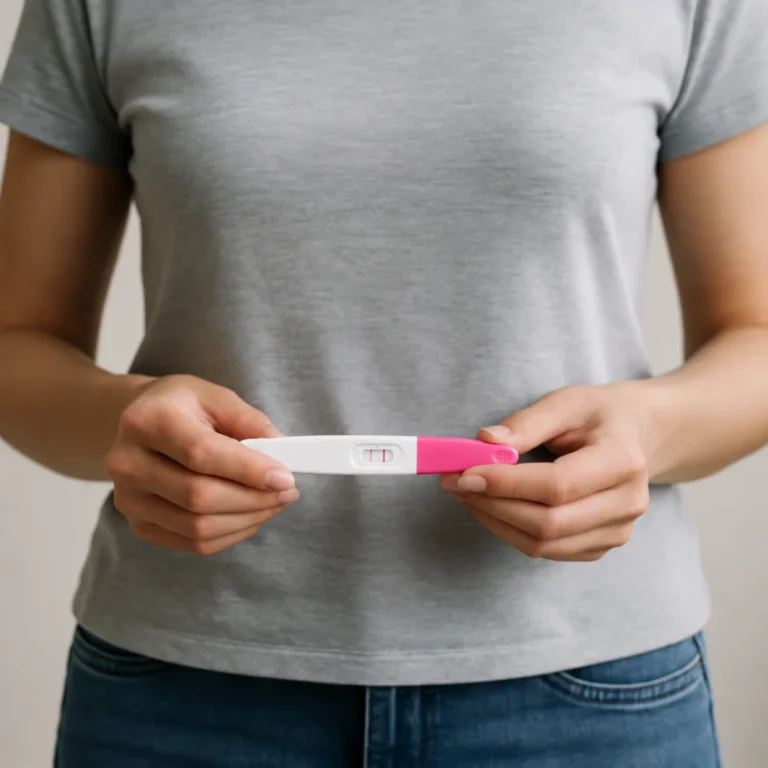
hCG Levels After Miscarriage: How Long Until a Negative Test?
A positive pregnancy test after miscarriage can leave you wondering whether your body is recovering or something needs checking. hCG can remain detectable for days to several weeks…
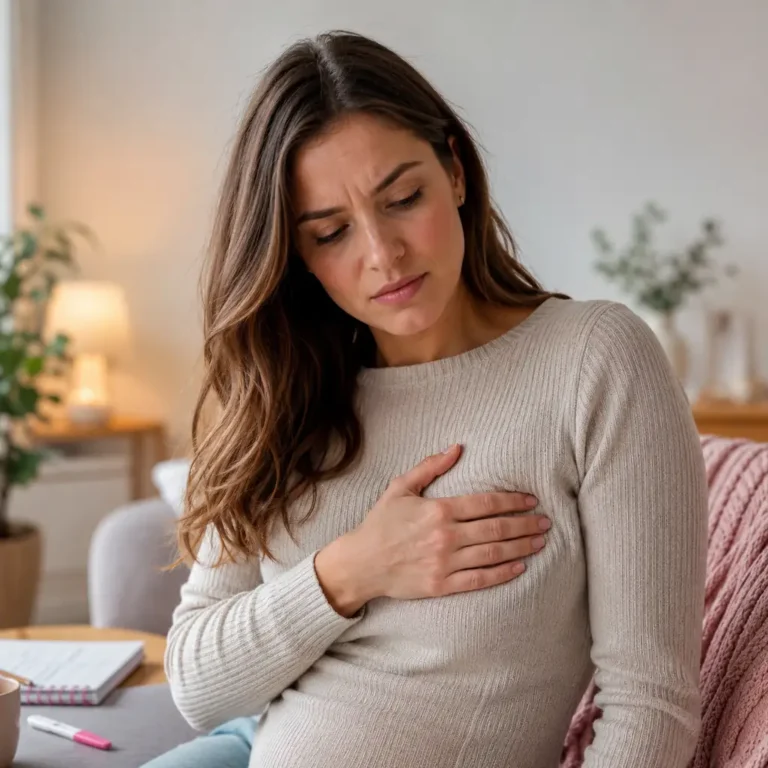
Sore Breasts During Ovulation: Causes, Duration & Pregnancy
Yes, sore breasts can happen around the time you expect ovulation, but the symptom does not confirm that ovulation has happened or that you are pregnant. A cycle-linked…
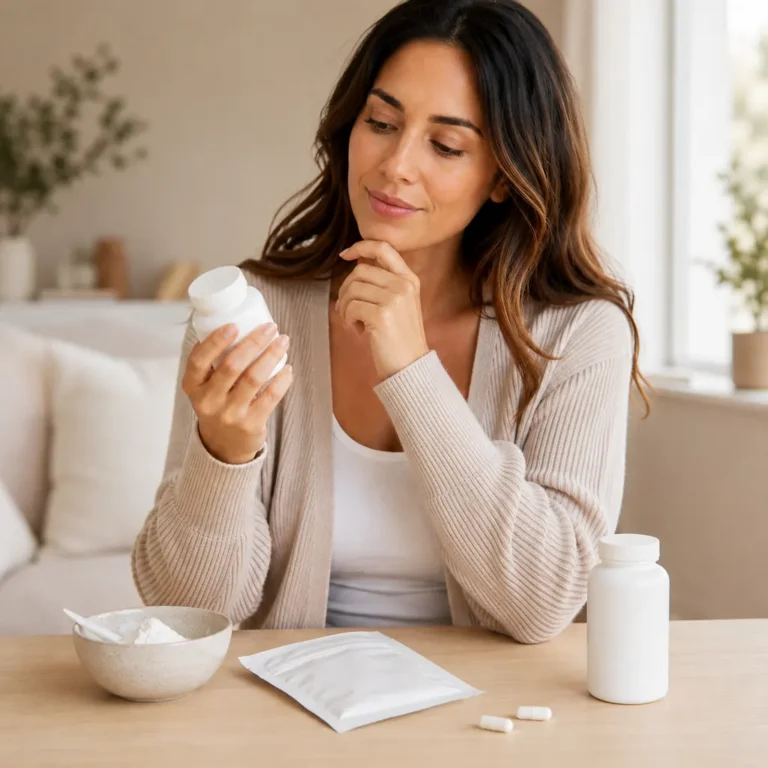
Inositol vs Myo-Inositol vs D-Chiro-Inositol: What’s the Difference?
If you are comparing an “inositol” powder with myo-inositol capsules or a 40:1 myo-to-D-chiro blend, the labels can look as though they describe different strengths of the same…
Pregnancy After Abortion: How Soon Can You Conceive?
You can become pregnant before your first period after an abortion. Ovulation may return as early as 8–10 days, although the timing varies. Bleeding stopping, pregnancy hormone falling…
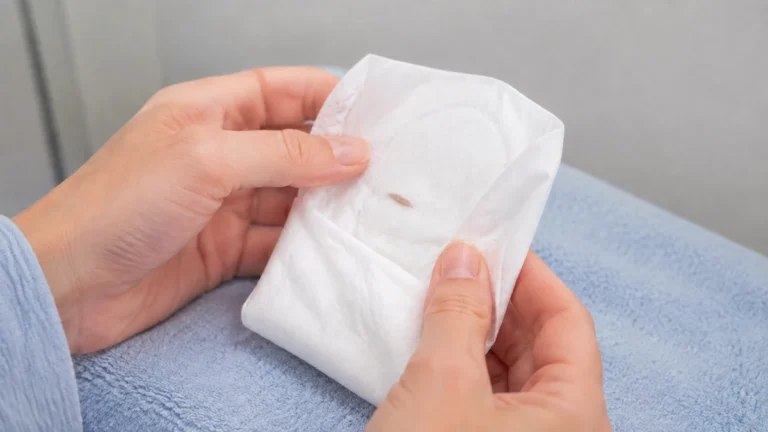
Black Discharge: Causes, Treatment and When to See a GP
A dark stain when you were expecting a period, or when you were not expecting any bleeding, can leave you unsure what to do. Black or very dark…
Can an LH Surge Happen Before Your Period?
Yes, a positive ovulation test can appear just before the date you expect your period. It does not automatically mean pregnancy or another ovulation. The explanation may be…
Can I Take Prenatal Vitamins When Not Pregnant? Australian Guide
Taking prenatal vitamins when not pregnant is usually possible, but that does not mean you need one. If you are standing in the supplement aisle comparing bottles, the…
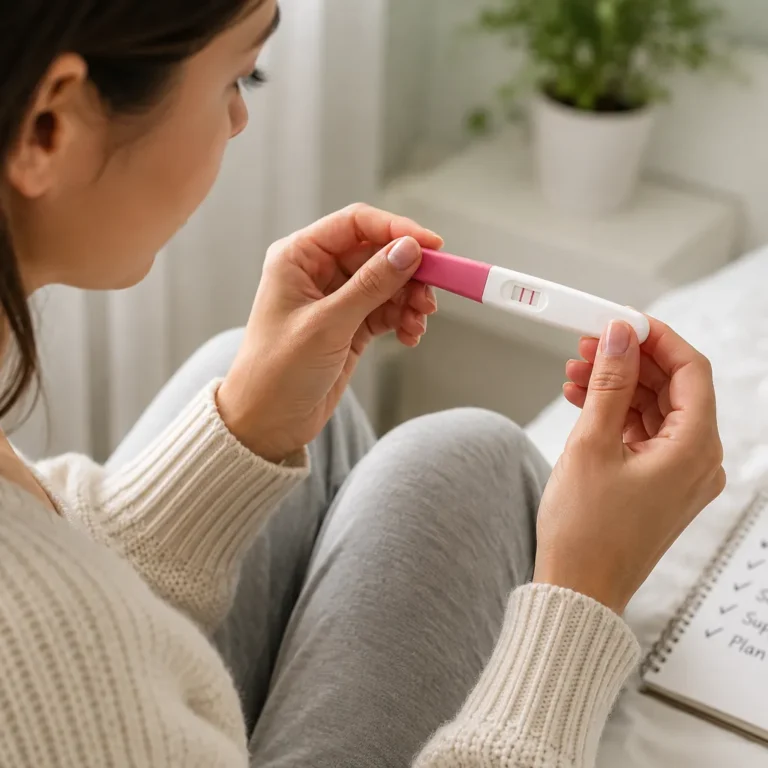
Positive Pregnancy Test? What to Do Next in Australia
Two lines, a plus sign or the word “pregnant” can make the next few minutes feel much bigger than expected. You might feel excited, relieved, surprised, unsure or…
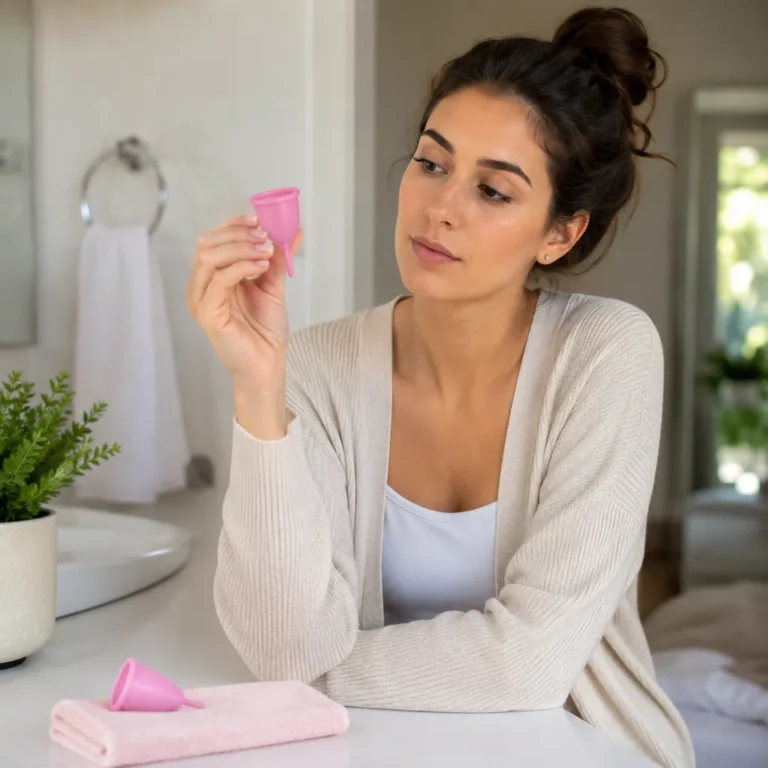
Menstrual Cups for Conception: Do Conception Cups Work?
If you have watched semen leak out after sex and wondered whether a conception cup could keep sperm near the cervix, the question makes sense. For the common…
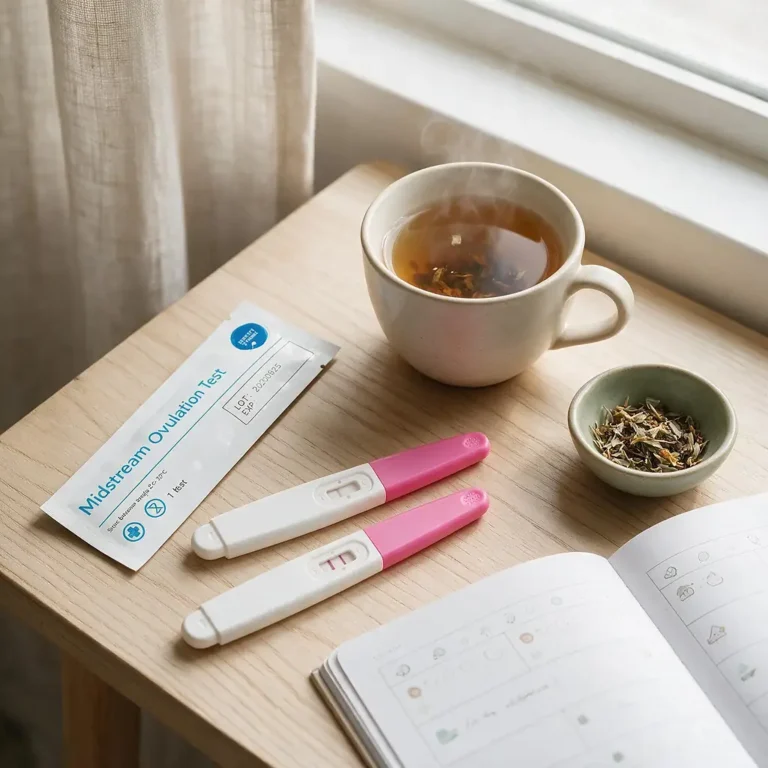
Fertility Tea Australia: Does It Work and Is It Safe?
Fertility tea is not a proven way to make ovulation happen or increase pregnancy or live-birth rates. It is a marketing category that covers very different herbal blends.…
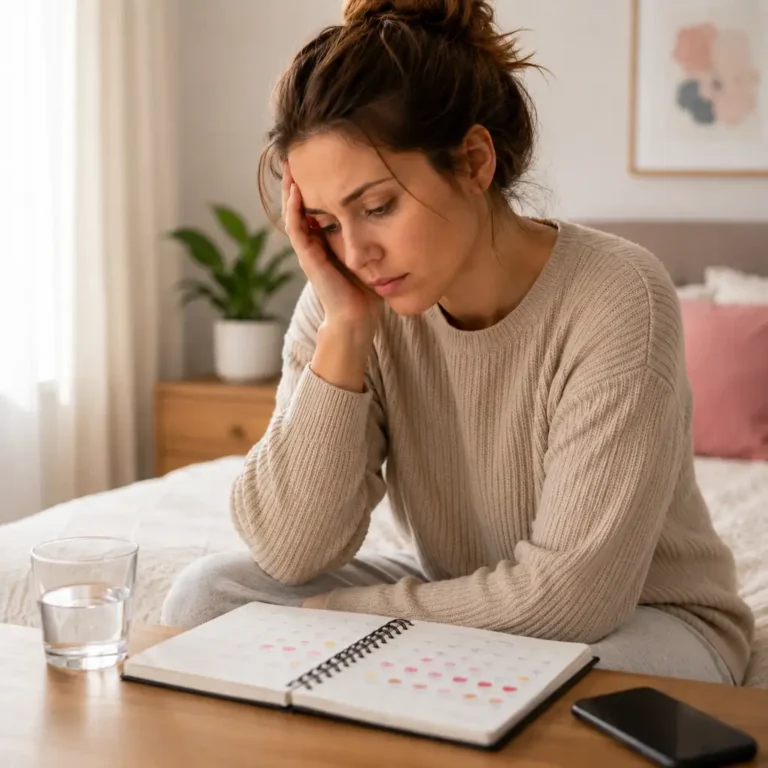
What Is PMS? PMS vs PMDD, Symptoms, Diagnosis and Treatment
If the week before your period brings a predictable shift in mood, energy, sleep or physical comfort, the timing matters more than any one symptom. Premenstrual syndrome (PMS),…
How to Increase Luteinising Hormone (LH): What Actually Helps
If your ovulation-test line has stayed faint for days, or a blood test has shown a low luteinising hormone result, it is easy to wonder whether you need…

False or Phantom Pregnancy (Pseudocyesis): Symptoms and Care in Australia
If your body feels pregnant but the test results do not match, the symptoms still deserve a real explanation. Pseudocyesis, also called false or phantom pregnancy, is a…
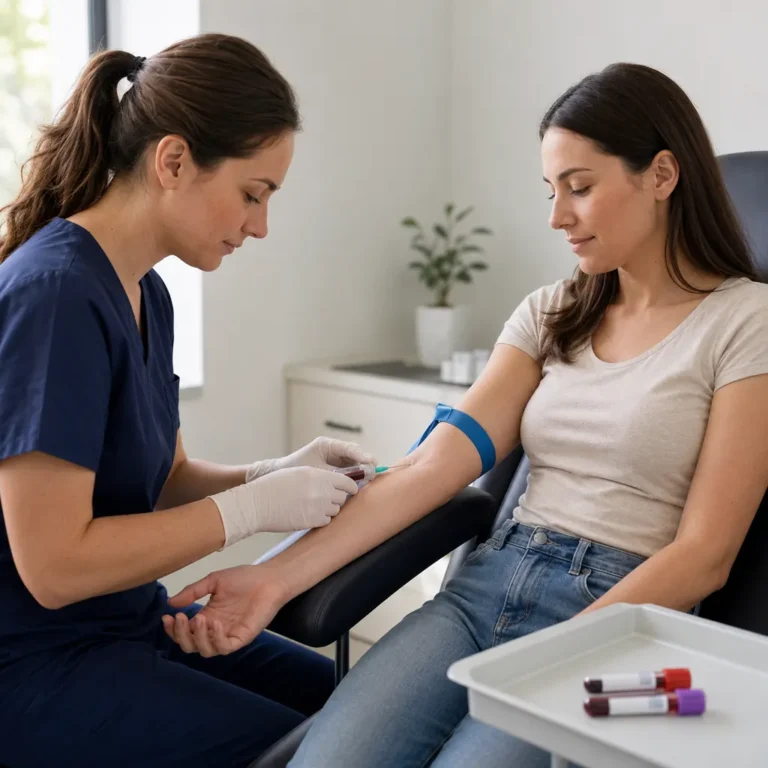
hCG Doubling Time: When It Slows and How to Read Your Results
If your second hCG result is higher but has not doubled, the wait for an explanation can feel longer than the wait for the blood test. hCG often…

How Accurate Are Ovulation Tests? OPK Accuracy Explained
If you have ever lined up a few ovulation tests and wondered whether the darkest line means “today is the day”, the useful answer is a little simpler.…

Low or Slow-Rising hCG: Causes, Treatment and What It Means
Seeing a low hCG number, or being told it rose more slowly than expected, can make it feel as though the pregnancy has already been decided. It has…

Fertility-Friendly Lubricant Australia: What to Use When Trying to Conceive
Trying to conceive can make an ordinary bottle of lubricant feel like a much bigger decision. If sex is more comfortable with lube, you may start wondering whether…
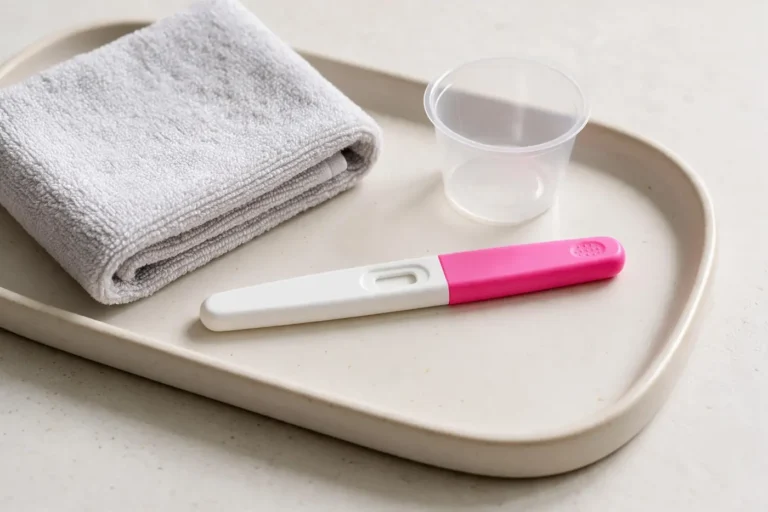
Can You Reuse a Pregnancy Test? What to Do Instead
No, you cannot reuse a home pregnancy test, even if the first result was negative, blank or unclear. Standard pregnancy strips, midstream sticks and digital pregnancy tests are…
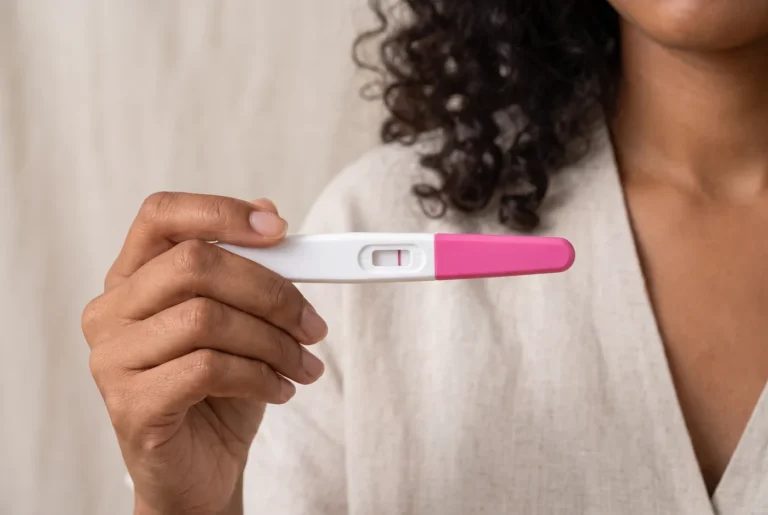
False Negative Pregnancy Test: Causes and When to Retest
A negative pregnancy test can leave you unsure whether to trust the result or try again. A false negative means pregnancy is present but the test has not…

Luteal Phase Length: How to Calculate It, Normal Range & Symptoms
If your ovulation test, BBT chart and cycle app leave you with different luteal-phase lengths, it is easy to wonder which number to trust. Usually, the maths is…
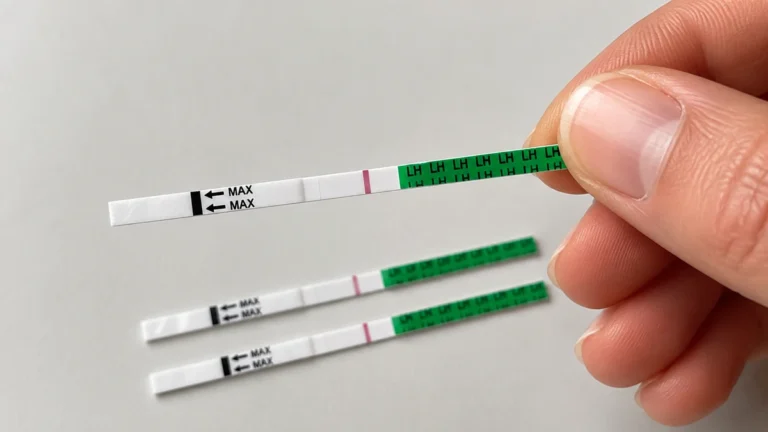
No LH Surge All Cycle? What It Means and What to Do Next
If every ovulation test stayed negative this cycle, the result can feel as though it answers a much bigger question than it actually does. A full cycle with…
Oestrogen and Oestradiol Levels in Australia: What E2 Results Mean
A flagged oestradiol result can feel like a verdict on fertility, but it is not. Oestrogen levels change across the cycle and life stages because oestrogen is a…

Milky White Discharge: What’s Normal and When to Get Help
Milky white discharge is often normal when it is familiar for you and does not cause itching, soreness or an unpleasant smell. Creamy discharge can occur before a…

How Long Does Ovulation Last? Fertile Window and Best Days to Conceive
If you are asking “how long does ovulation last?”, the useful answer is this: after an egg is released, it is usually capable of fertilisation for about 12…
PMOS Diagnostic Criteria in Australia: PCOS Tests and the 2 of 3 Rule
If your ultrasound report says “polycystic ovaries” or your AMH result is high, that result alone does not mean you have PMOS. In Australian adults, PMOS, the new…

FSH, LH, Oestrogen and Progesterone: Fertility Hormones Explained
A fertility hormone result marked “high” or “low” can feel like an answer about your chance of pregnancy. Start by checking when in your cycle the sample was…
Ovulation Bloating: Causes, Duration and When to Get Help
Does ovulation make you bloated? Some people notice abdominal fullness, gas or a tighter waistband around the fertile window. That experience can be real, but ovulation bloating is…
Endometriosis Ovulation Pain: Symptoms, Causes & When to Seek Help
Pain around ovulation can be difficult to dismiss when it returns every month, spreads into your back or rectum, or interrupts work, sleep or sex. Endometriosis can be…
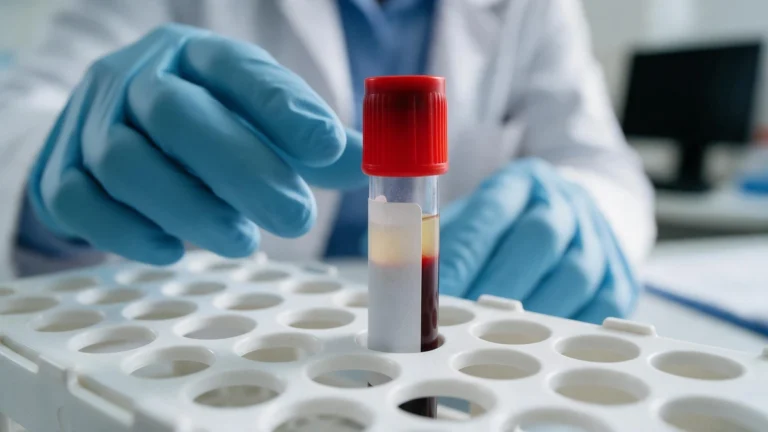
AMH Levels by Age in Australia: Chart, Low, High, Cost & Results
Seeing an AMH result marked low or high can make it feel as though one blood test has graded your fertility. It has not. An AMH blood test…
Short Luteal Phase: Causes, Testing and What Actually Helps
If your period seems to arrive 9 or 10 days after ovulation, it is easy to wonder whether your luteal phase is too short. The first step is…

Late Ovulation: Causes, Symptoms, Late Periods and Pregnancy Chances
If an ovulation test turns positive later than expected, or your period has not arrived on the date an app predicted, it can feel as though the cycle…
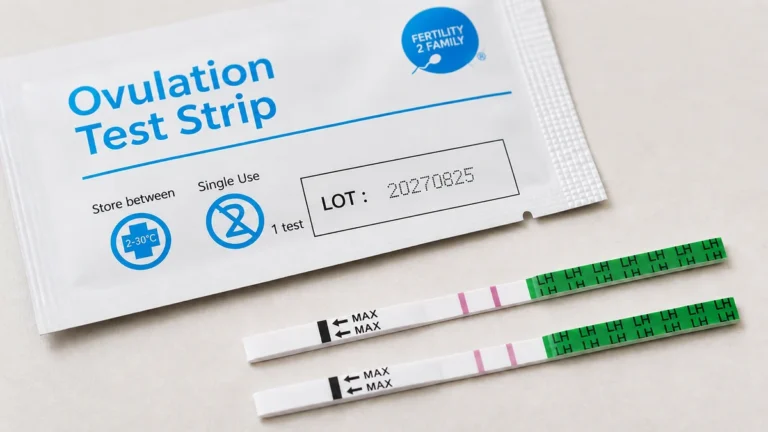
Can You Ovulate Twice in a Month? Two LH Surges Explained
Seeing a second positive ovulation test can be confusing, especially when the first peak seemed to have passed. Can you ovulate twice a month? Yes, when the two…

Ovulation Bleeding vs Implantation Bleeding: Timing, Signs and When to Test
If you notice spotting around your fertile window, it is easy to wonder whether it means ovulation, pregnancy or something else. You usually cannot tell ovulation bleeding from…
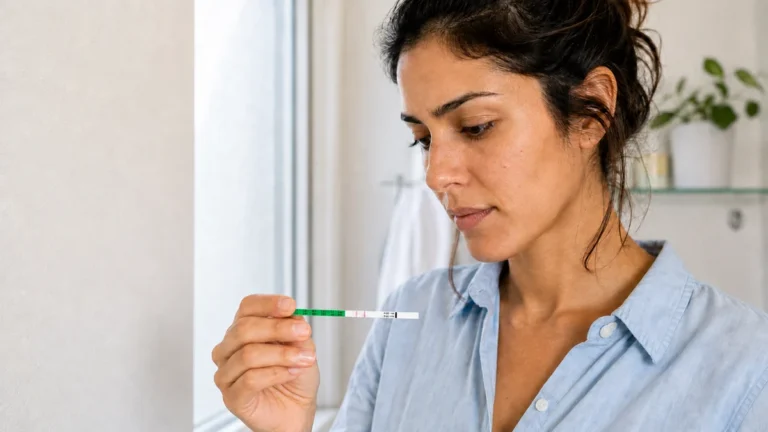
Early Ovulation Causes: Day 8, 10 or 11 and Pregnancy Chances
Seeing a positive ovulation test on day 8, 10 or 11 can make you wonder whether your cycle has gone wrong or whether you have missed your best…
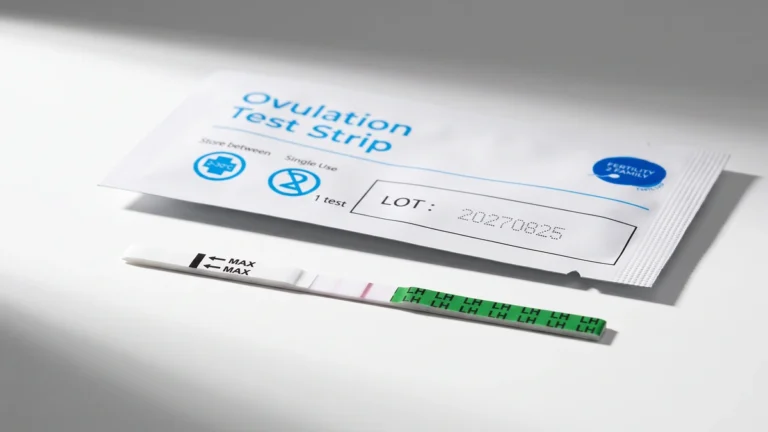
Negative Ovulation Test: 8 Reasons It Happens and What to Do
If you expected a positive ovulation test and saw another faint test line or negative symbol, it can feel as though the fertile window has slipped past. Usually,…

How to Use Conceive Plus Fertility Lubricant in Australia
If you are trying to conceive, lubricant can suddenly feel like one more thing you have to get exactly right. The useful answer is simpler. Conceive Plus is…
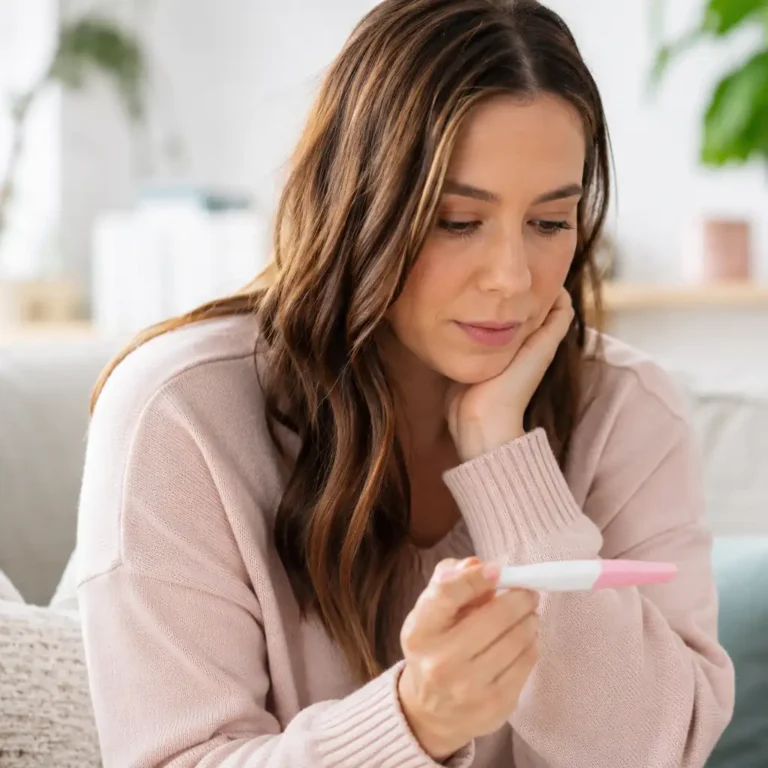
Evaporation Line or Faint Positive? What It Looks Like on a Pregnancy Test
If you have gone back to a pregnancy test and suddenly noticed a second line, it is easy to start checking it from every angle. The most useful…

How to Choose a Fertility Specialist or IVF Clinic in Australia
Choosing a fertility specialist can feel like a major medical and financial decision before you know which clinic claims deserve weight. In Australia, compare two or three services…
Keep the practical steps with you
Choose the test format that suits how you test
 For repeat LH testingOvulation test stripsA practical format for repeated LH testing across several fertile-window days.View ovulation test strips
 A self-contained ovulation optionMidstream ovulation testsAn enclosed handheld option for people who prefer not to dip a narrow strip.View midstream ovulation tests
 For repeat pregnancy testingPregnancy test stripsA compact format suited to repeat hCG testing when timing or a result is unclear.View pregnancy test strips
 A self-contained pregnancy optionMidstream pregnancy testsA self-contained format for home hCG testing from the relevant testing day.View midstream pregnancy tests
Use our tools to organise your next step, and seek care when you need personalised answers.
Home tests and tracking can support timing and help describe a pattern. They cannot diagnose a fertility condition, confirm ovulation with certainty or assess pregnancy location, viability or safety.
If something does not feel right, you do not need another home test first. Your GP, a midwife or Healthdirect on 1800 022 222 can talk it through with you at any hour, and 000 is there whenever you need emergency help.
- Cycle start dates and usual cycle length
- LH results, DPO estimates and pregnancy-test dates
- BBT, bleeding, pain or symptom notes
- Medicines, supplements and recent changes
- The two or three questions you most need answered
Clear answers about fertility information
Finding the right fertility information
Where should I start if I am trying to conceive?
Start with Ovulation and cycle tracking if you are working out your fertile days or when to begin LH testing. Once you have a likely ovulation date, Pregnancy timing and results can help with DPO and when a home pregnancy test may be more informative.
Australian guidance generally recommends seeking fertility advice after 12 months of trying if you are under 35, or after 6 months if you are 35 or older. Speak with a GP sooner if cycles are very irregular, you have endometriosis or PCOS/PMOS, or there is another known fertility concern.
Explore fertility topicsWhich fertility topic should I choose for an LH surge, faint line, negative result or DPO question?
Choose Ovulation and cycle tracking for ovulation tests, LH surges, BBT and cervical mucus. Choose Pregnancy timing and results for DPO, faint pregnancy-test lines, negative results, retesting and early-pregnancy timing.
You can move between topics at any time. Start with the question that feels most urgent today rather than trying to work through every tool.
View the fertility topicsWhen should I use an ovulation test, and what can a positive LH result tell me?
Begin testing before you expect to ovulate so you have a better chance of seeing the LH rise. The ideal start day depends on your usual cycle length and how much your cycles vary.
A positive ovulation test suggests an LH surge and that ovulation may follow within about 24 to 36 hours. It does not prove that an egg was released, and irregular cycles or PCOS/PMOS can make results harder to interpret.
Open the ovulation test start-day calculatorWhen should I take a pregnancy test, and when should I test again after a negative result?
A home pregnancy test is usually more reliable from the day your period is expected. Some tests can be used earlier, but a negative result is less conclusive when hCG may still be too low to detect.
Follow the instructions for your exact test. If you tested early or your period has not arrived, repeating the test after 2 to 3 days may be useful. Ongoing missed periods, pain, bleeding or concerning symptoms need clinical advice.
Check pregnancy-test timingWhat is the difference between a fertility topic, a tool and a health guide?
A fertility topic brings related questions together. A tool helps with one practical task, such as choosing a test day, comparing figures or recording symptoms. A health guide explains the subject in more depth and connects it with evidence, limitations and Australian care options.
Use whichever format helps you move forward. Many readers begin with a tool, then open the related guide when they want more context.
Explore the fertility toolsCan I search every Fertility2Family fertility and reproductive health guide here?
Yes. Search in everyday language for DPO, a faint line, an LH surge, BBT, AMH, semen analysis, endometriosis, pelvic pain, PMS, PMDD, prenatal vitamins, IVF or IUI. You can also choose a broad topic and sort the results by relevance, recent updates or title.
The total changes as new Fertility2Family health guides are added or older content is retired, so the library reflects what is currently available.
Search the health guide libraryFertility tools, evidence and privacy
What can the 20 fertility tools help with, and can they diagnose a condition?
The collection includes timing calculators, home-test result guides, symptom diaries, AMH and semen-analysis explainers, IVF and IUI comparison tools, a prenatal-label checker and a pregnancy-test cost tracker. They cannot diagnose infertility, confirm ovulation, assess pregnancy safety or decide whether a treatment is suitable for you.
Each tool explains what it can help with and where its limits begin. Use the result to organise your next question, not as a replacement for personalised clinical assessment.
Read when home tools are not enoughHow are Fertility2Family health guides researched, reviewed and updated?
Fertility2Family prioritises Australian government, public-health and professional guidance, supported by recent peer-reviewed evidence where appropriate. Content is checked for medical accuracy, plain-language clarity, realistic home-test limits and useful Australian care pathways.
The reviewer, review scope, corrections pathway and core Australian references are shown at the bottom of this page.
See the review process and referencesHow can I tell when a guide was last reviewed or updated?
Each guide shows when it was last updated and, where applicable, when its health information was medically reviewed. Review dates are changed after the content has been substantively checked, not for routine design or formatting changes.
For subjects that change over time, such as rebates, guidelines or treatment reporting, check the date and follow the linked Australian source where one is provided.
Browse recently updated health guidesDo the fertility tools store personal or health information?
No. Fertility2Family fertility tools run in your browser. The values you enter are not transmitted to Fertility2Family, saved to an account, stored in a database or retained after you close or refresh the page.
Names, symptoms, test results, DPO details and bleeding information are not sent to third-party analytics. The tools do not need identifying details, so please do not enter them.
Can a pregnancy test, ovulation test, BBT chart, AMH result, semen analysis or symptom diary confirm a diagnosis?
No single home test, laboratory result or tracked sign can answer every fertility or pregnancy question. An ovulation test can show an LH rise, a pregnancy test can detect urinary hCG, a sustained BBT shift can support retrospective cycle timing, and AMH or semen analysis can add clinical information. None should be treated as a diagnosis or a personal fertility prediction on its own.
A positive pregnancy test also cannot confirm pregnancy location or safety. Use home results alongside symptoms, timing and professional care when the question needs a diagnosis or clinical interpretation.
Prepare for a care conversationCan I use these tools with PCOS or PMOS, endometriosis, irregular cycles, IVF or IUI?
Yes. The tools can help you organise dates, record endometriosis or pelvic-pain symptoms, compare information and prepare questions. Cycle-based estimates may be less reliable when ovulation is irregular, and fertility treatment protocols may set the timing for tests, medicines and procedures.
During IVF or IUI, follow your clinic instructions first. Use the tools as a way to understand or record the plan, then ask your clinic how any home result fits your treatment cycle.
Explore fertility tests and treatment topicsCare, appointments and transparency
When should I stop using home tools and speak with a GP, midwife or fertility clinician?
Seek professional advice when cycles remain irregular, pain or bleeding affects daily life, results stay unclear, a period is absent despite repeated negative tests, or you have a known condition that may affect fertility.
Fertility assessment is generally recommended after 12 months of trying if you are under 35, or after 6 months if you are 35 or older. Ask for help earlier when there is a known fertility concern or symptoms that need assessment.
See when home testing is not enoughWhich symptoms need urgent care rather than another home test?
Severe or one-sided lower-abdominal pain, heavy bleeding, fainting, marked dizziness, shoulder-tip pain, breathing difficulty or symptoms that feel unsafe need urgent assessment. Do not wait for another pregnancy test or another diary entry before seeking help.
Call 000 in an emergency. For health advice in Australia, you can also call Healthdirect on 1800 022 222 or contact your local urgent-care service.
Review the urgent-care guidanceWhat information should I bring to a GP or fertility appointment?
Bring cycle start dates, usual cycle length, ovulation-test or pregnancy-test dates, relevant BBT or symptom patterns, current medicines and supplements, and any AMH, semen-analysis, IVF or IUI reports you have been given.
A short, organised pattern is usually easier to review than a large collection of screenshots. Fertility2Family diaries can help you prepare a summary, but your clinician decides what the pattern means for your care.
Find an appointment-preparation toolDoes Fertility2Family sell some of the products discussed in its guides?
Yes. Fertility2Family sells home fertility tests and related products. Product links may help readers compare formats or find instructions, but educational health content should remain separate from diagnosis, treatment and personalised medical advice.
Where a product is mentioned, the aim is to explain how it is used and where its limits sit. You can read more about Fertility2Family and its commercial relationships through the transparency links below.
Read about Fertility2FamilyChoose the next step that feels most useful today
Explore a fertility topic, search the health guide library or open the instructions for the home test you are using. You can come back and take the next step when you are ready.
Reviewed against Australian health guidance, with clear limits and an open corrections process
Bachelor of Science in Nursing · Master of Nursing · AHPRA NMW0002424871
Last reviewed May 2026Fertility2Family reviews its health information for medical accuracy, plain-language clarity and practical Australian care pathways. Content is updated when guidance or evidence changes, and readers can contact us if something needs review or correction.
- Australian government, public-health and professional guidance
- Clear explanations of home fertility test use and limitations
- GP, midwife, fertility-clinic and urgent-care pathways
- Product information kept separate from diagnosis and treatment advice
Australian fertility and reproductive health referencesSee the Australian health sources behind this page31
These Australian sources underpin the fertility, home-testing, cycle-health, treatment and care guidance brought together on this page. Individual health guides may include further references for their specific topic.
Planning, ovulation and home testing
- Pregnancy, Birth and Baby: Planning for your pregnancy
- Pregnancy, Birth and Baby: Preconception health for females
- Pregnancy, Birth and Baby: Ovulation and fertility
- Pregnancy, Birth and Baby: Fertility tests and treatments
- Pregnancy, Birth and Baby: Pregnancy tests
- Pregnancy, Birth and Baby: Fertility awareness
- Healthdirect: Planning for your pregnancy
- Better Health Channel: Ovulation and fertility
- The Royal Women's Hospital: Ovulation and conception
- Your Fertility: The right time for sex
- Your Fertility: Age and fertility
- Your Fertility: How to increase your chance of getting pregnant
Cycle health, symptoms and early-pregnancy concerns
- Healthdirect: Polycystic ovarian syndrome (PCOS/PMOS)
- Jean Hailes: How PCOS/PMOS affects fertility and pregnancy
- Healthdirect: Endometriosis
- Queensland Health: Premenstrual dysphoric disorder (PMDD)
- Healthdirect: Bleeding between periods
- Healthdirect: Vaginal bleeding
- Healthdirect: Ectopic pregnancy
- Healthdirect: Ovarian cysts and urgent complications
- Healthdirect: Pelvic inflammatory disease
Fertility tests, treatment and preconception care
- Healthy Male: What happens during a semen analysis
- Healthy Male: Australian guidelines for male infertility
- Healthy Male: Male infertility clinical summary guide
- VARTA: Fertility treatment explained
- Your IVF Success: Australian and New Zealand IVF statistics
- Your IVF Success: Understanding clinic success rates
- RANZCOG: Clinical statements and guidelines, including pre-pregnancy counselling
- Australian Government: Pregnancy information based on the Pregnancy Care Guidelines
- Your Fertility: AMH and egg-timer testing
- Healthdirect: Iodine and pregnancy planning