PCOS (PMOS)
PCOS can cause irregular periods and less predictable ovulation, which can make test timing and LH patterns harder to interpret. If you see more than one rise or no clear peak, look at the full-cycle pattern rather than a single test.
Irregular cycles
If your cycle length changes from month to month, base your timing on your shorter recent cycles and use date estimates as a guide rather than a fixed rule.
After stopping the pill
After stopping the pill or other hormonal contraception, it can take time for your cycle to settle. Start earlier rather than later and treat the first few cycles as a guide, not a fixed pattern.
Night shifts
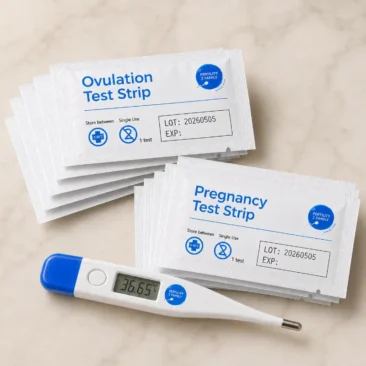
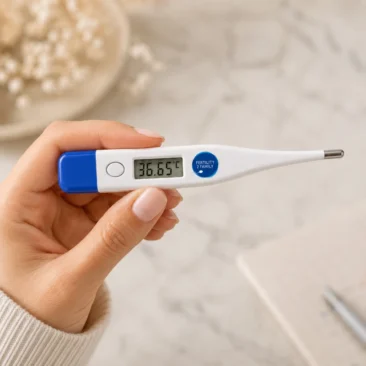
If you work night shifts, test at the same point in your routine each day rather than by the clock alone. For ovulation test strips, follow the product leaflet: avoid first morning urine, collect urine between 10am and 8pm at about the same time each day, and reduce fluids for about two hours beforehand. For basal body temperature, measure straight after waking, before you get out of bed. Changes in sleep can affect your temperature readings.
Using fertility treatment
If you are using fertility treatment, follow your clinic's advice first. Some treatments can change when ovulation happens or how home test results should be interpreted.
Breastfeeding or after pregnancy
After pregnancy, especially if you are breastfeeding, your cycle and ovulation timing can be harder to predict. Start earlier rather than later and use date estimates as a guide, not a fixed rule.