
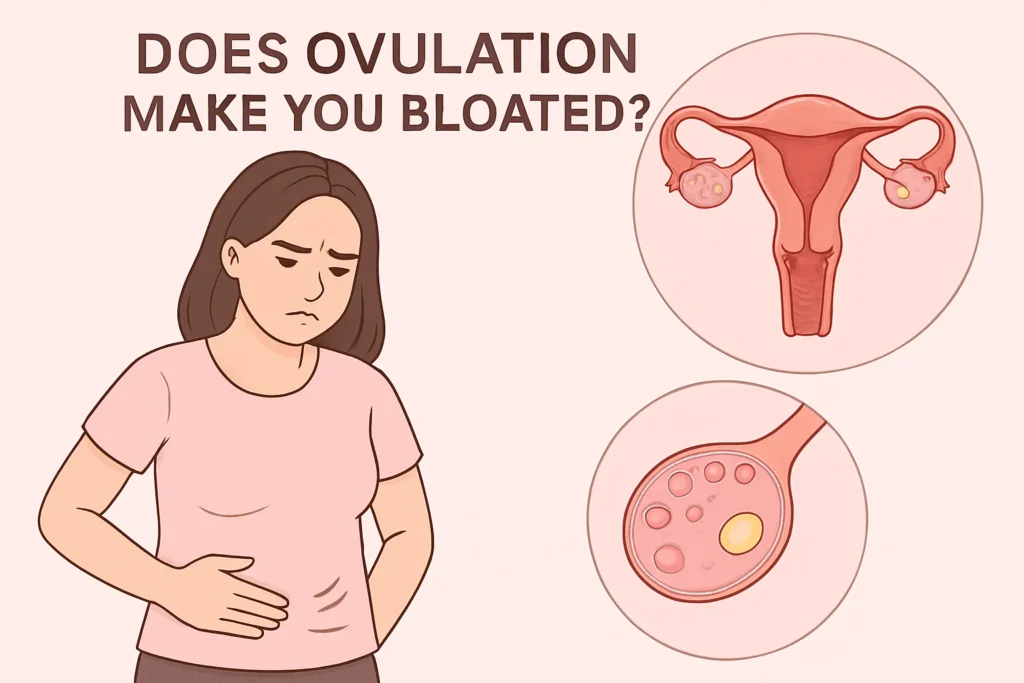

Ovulation pain is common, yet for some people it points to endometriosis. The ache can range from a twinge that fades quickly to sharp pelvic pain that stops you in your tracks. If pain repeats mid cycle, lasts longer than a day or two, or comes with bowel, bladder, or bleeding symptoms, it is worth looking into. This article explains what endometriosis is, why it can make ovulation painful, how doctors in Australia assess and diagnose it, which tests are used, and practical ways to manage symptoms at home. You will also learn when to see a GP or gynaecologist, and how tools like an ovulation predictor kit fit into tracking and timing. If you want a refresher on typical ovulation pain symptoms, you can read more here before you continue.
Quick Answers About Ovulation Pain and Endometriosis
Can endometriosis cause ovulation pain?
Yes. Endometriosis can irritate tissues around the ovaries and create cysts called endometriomas. When hormones rise around ovulation, these areas can become inflamed and sore. Pain may be sharper, last longer, or occur with bowel or bladder symptoms.
How can I tell if my mid cycle pain is normal or due to endometriosis?
Normal ovulation pain is mild, on one side, and settles within 48 hours. Pain that is severe, lasts more than two days, or comes with nausea, vomiting, abnormal bleeding, or pain on opening bowels or passing urine needs a GP review.
Will an ovulation test diagnose endometriosis?
No. An ovulation test detects a rise in luteinising hormone about 24 to 36 hours before ovulation. It helps you confirm timing and link symptoms to ovulation. Diagnosis of endometriosis relies on clinical assessment, imaging, and sometimes laparoscopy.
What Is Endometriosis and How Can It Affect Ovulation Pain?
Endometriosis is a condition where tissue similar to the uterine lining grows outside the uterus. These cells often sit on the ovaries, pelvic lining, fallopian tubes, or bowel. They can bleed and inflame nearby tissue during the cycle, which can set off pain. Many people have endometriosis without major symptoms. Others live with pelvic pain that worsens during periods and at mid cycle. Endometriosis is a known cause of infertility in Australia.
The ovaries release an egg each month during ovulation. Learn more about how the ovaries work here: The ovaries. If endometrial like tissue sits close to the ovary, the hormone rise around ovulation can aggravate those areas. This may lead to pain that feels deeper and lasts longer than a simple twinge.
Endometriosis can also cause fatigue, pain with sex, abdominal bloating, and bowel or bladder discomfort. Some people notice spotting around ovulation. Others feel rectal pressure or sharp pain that shoots to the back or thighs. Pain level does not always match how much disease is present. Mild disease may feel severe, and extensive disease may be quite silent.

Why Endometriosis Can Make Ovulation Painful
Ovulation is driven by a mid cycle rise in oestrogen and luteinising hormone. Follicles on the ovary stretch the capsule before release. In people with endometriosis, cells outside the uterus can respond to these hormones and trigger inflammation in the pelvis. This chemical response can make nearby nerves more sensitive to pain. Repetition month after month can lead to ongoing sensitivity and a wider pain field.
Endometriomas are ovarian cysts formed by endometriosis. They are often called chocolate cysts because they hold old blood. During ovulation, a cyst can be stressed or leak a small amount of fluid. This can irritate the pelvic lining, which may produce sharp or burning pain. Read more about these cysts here: Endometriomas.
Adhesions can also form. These are fibrous bands that stick organs together, for example the ovary to the pelvic wall or bowel. Adhesions restrict movement and can pull when the ovary enlarges at ovulation. This pulling sensation can be felt in the lower abdomen, back, or groin. Some people notice pain on the side that ovulates, which may swap sides in different cycles. Others feel diffuse pelvic pressure across the whole lower belly.

How Doctors in Australia Assess and Diagnose Endometriosis
Diagnosis starts with your GP. They will take a detailed history that covers cycle patterns, the timing of pain, bladder and bowel symptoms, bleeding, sex related pain, fatigue, and any impact on work or study. A pelvic exam may help identify tender spots or fixed areas that suggest adhesions. Your GP will also check for other causes of pelvic pain such as ovarian cysts, infection, or irritable bowel syndrome.
A transvaginal ultrasound is the first line imaging test. It can detect endometriomas, assess ovarian reserve, and look for features that suggest deep disease. A normal ultrasound does not rule out endometriosis because many lesions are small or sit in places that are hard to see. Some clinics offer specialised endometriosis ultrasound, which can assess deep nodules and adhesions more closely.
Blood tests are not diagnostic. The CA 125 marker can rise with endometriosis but also rises for many other reasons. It is not used on its own to diagnose the condition. Laparoscopy is the gold standard test. It is a keyhole surgery that allows a gynaecologist to view the pelvis directly and remove or treat lesions during the same procedure. Your GP may refer you to a RANZCOG specialist if symptoms are persistent or severe, or if fertility is affected.
What Tests Involve and How Home Tracking Can Help
Laparoscopy involves a day procedure performed under general anaesthetic. A thin camera is placed through a small cut near the belly button and tiny instruments are used to inspect and treat disease. Recovery usually takes a few days, although some people need longer if adhesions are released or endometriomas are removed. You can read more about laparoscopy here: Laparoscopy: Purpose, preparation, procedure, and recovery.
Ultrasound is non invasive, safe, and useful for ruling in ovarian cysts and deep disease. Your clinician may also request tests to check iron levels if bleeding is heavy, and pregnancy tests if the cycle is late. In complex cases, MRI can be used to map deep disease before surgery.
Home tracking adds context. An ovulation predictor kit measures luteinising hormone in urine. A clear surge usually appears 24 to 36 hours before the egg is released. If pain starts within this window, it supports the idea that symptoms are linked to ovulation. Cycle charts, cervical mucus notes, and temperature tracking can also help map patterns. These tools do not diagnose endometriosis, but they can pinpoint timing and guide discussion with your GP.
Home Management For Ovulation Pain When You Suspect Endometriosis
Simple strategies can reduce discomfort. A warm bath or a heat pack across the lower belly can relax muscles and ease cramping. Gentle movement like walking or yoga may help if you can tolerate it. Over the counter anti inflammatory medicines can be useful if taken as directed. Speak to your GP or pharmacist if you have stomach issues, are trying to conceive, or take other medicines.
Some people use a TENS machine to interrupt pain signals. Evidence suggests TENS is safe for many people when used correctly. It is not a replacement for medical care, but it can be part of a pain plan. You can read more about TENS here: Transcutaneous electrical nerve stimulation. People also try warm baths with Epsom salts and calming essential oils such as lavender or chamomile. If you choose to try acupuncture, look for an experienced acupuncture therapist and let your GP know as part of coordinated care.
Good sleep, regular meals, and bowel care matter. Constipation can make pelvic pain worse. Aim for water, fibre, and gentle movement most days. Some find that reducing very gassy foods around ovulation helps with bloating. Keep a simple diary of what helps and what does not. Bring this to your GP so you can tailor a plan together.
When To See A GP Or Specialist In Australia
Book a GP appointment if mid cycle pain is severe, lasts longer than two days, or keeps you from work or study. Seek care if pain occurs with fever, vomiting, fainting, pain with sex, pain on passing urine, or pain on opening bowels. Abnormal bleeding between periods, bleeding after sex, or new pelvic pain also need review.
See your GP if you have been trying to conceive for a year if you are under 35, or for six months if you are 35 or older, and you have symptoms that suggest endometriosis. A sooner referral is reasonable if there is known disease, endometriomas, or severe pain. Your GP can refer you to a gynaecologist for advanced imaging or laparoscopy. In an emergency such as sudden severe pain with dizziness or suspected cyst rupture, attend your nearest emergency department.
If you want to check whether pain aligns with ovulation, consider using ovulation tests for a few cycles. This can help you and your clinician decide whether symptoms are linked to the hormone surge or if another cause is likely.
Fertility, Conception, and Planning Pregnancy With Endometriosis
Endometriosis can affect fertility by distorting pelvic anatomy and altering the chemical environment around the egg and fallopian tubes. Adhesions can obstruct the tube or tether the ovary. Endometriomas can reduce ovarian reserve by damaging healthy tissue. Some people also have hormone changes that can disrupt ovulation or implantation. Others have both endometriosis and conditions such as polycystic ovary syndrome.
Planning ahead helps. If pregnancy is a goal within the next year or two, speak with your GP early. You may be referred to a fertility specialist to discuss the best path. Options include timed intercourse using ovulation tests, ovulation induction, intrauterine insemination, or IVF. Surgery for endometriomas or deep disease may improve pain and, in selected cases, fertility. Decisions are individual and depend on age, symptoms, ovarian reserve, partner factors, and previous surgery.
While you are tracking and planning, it can be helpful to review the stages of the menstrual cycle, tune into patterns in cervical mucus, and use a simple app or paper diary. These steps do not treat endometriosis, but they support timing and reduce stress around fertile windows.

Frequently Asked Questions About Ovulation Pain and Endometriosis Australia
How long does ovulation pain last with endometriosis?
Normal ovulation pain usually settles within 48 hours. With endometriosis, pain can start before the luteinising hormone surge and linger after ovulation. If your pain lasts more than two days or worsens each cycle, see your GP.
Can endometriosis pain be on both sides?
Yes. Pain may be one sided when only one ovary is involved. It can also feel central or affect both sides if there are adhesions, deep pelvic lesions, or bowel involvement. Pain that swaps sides each month can still be endometriosis.
Does ovulation bleeding mean I have endometriosis?
A small amount of spotting around ovulation can be normal. Frequent bleeding between periods, heavy spotting, or bleeding with pelvic pain can be linked to endometriosis or other conditions. Book a GP review for assessment and tests.
Why do I feel bowel pressure or rectal pain at ovulation?
Endometriosis can affect the bowel or sit close to it. Swelling around ovulation can press on the rectum and trigger sharp pain or a dragging sensation. New or severe bowel symptoms need a GP assessment to rule out other causes.
Will the pill help mid cycle pain?
Many people find that combined or progestogen only contraception reduces ovulation pain by suppressing ovulation or thinning the lining. Your GP will weigh benefits and risks, especially if you are trying to conceive soon or have migraine or clot risk.
How do I tell normal ovulation pain from endometriosis pain?
Normal pain is mild, short, and not disabling. Endometriosis pain is more likely to be severe, persist beyond two days, and come with nausea, bowel or bladder pain, fatigue, or abnormal bleeding. Keep a symptom diary and see your GP for tailored advice.
Take Your Next Step With Confidence
If mid cycle pain keeps showing up or is starting to affect your day, you do not have to put up with it. A clear plan can make a real difference. Start with your GP, describe the timing and nature of your symptoms, and ask whether a pelvic exam and transvaginal ultrasound are right for you. If you are trying to conceive, add simple home tracking for a few cycles. An ovulation test can confirm your luteinising hormone surge and help you link symptoms to ovulation with more certainty. If pain suggests endometriosis, your GP can refer you to a gynaecologist for specialised imaging or laparoscopy if needed.
Fertility2Family shares plain language guides on ovulation, periods, and fertility care tailored to Australian readers. Our blog covers common questions and practical steps you can use today. If you would like support with tracking, our affordable ovulation tests and fertility kits can help you time your window and discuss patterns with your care team. If you have concerns about pain or bleeding, get in touch or speak with your GP for advice that fits your situation.
Last reviewed: May 2, 2026
Next scheduled review: Mar 2027
References
Fertility2Family publishes Australia-focused fertility education. Articles are written by our team and medically reviewed by Australian-registered health practitioners. We use Australian consumer medicine information, Australian clinical and public health guidance, and peer-reviewed research consistent with Australian care. We explain what the evidence suggests, what it cannot confirm, and when to see a GP or fertility specialist. Each article lists its author, medical reviewer, and review dates.
https://www.healthdirect.gov.au/endometriosis
https://www.healthdirect.gov.au/ovulation-pain
https://ranzcog.edu.au/patients/endometriosis
https://www.jeanhailes.org.au/health-a-z/endometriosis
https://www.betterhealth.vic.gov.au/health/conditionsandtreatments/endometriosis
https://www.thewomens.org.au/health-information/periods/endometriosis
https://www.qld.gov.au/health/conditions/sexual-health/womens-health/endometriosis
https://www.health.nsw.gov.au/women/Pages/endometriosis.aspx