14 min read
May 2, 2026
Late Ovulation: Causes, Symptoms and When to Test

Written by
Fertility2Family Team

Medically reviewed by
Evan Kurzyp, RN, BSN, Master of Nursing
AHPRA registration: NMW0002424871
Late ovulation can be unsettling when you are planning a pregnancy. Cycles are rarely identical month to month, and variation is common across a lifetime. Australian guidance from organisations such as RANZCOG and RACGP recognises that cycle length differs between people, and that timing of ovulation can shift with stress, illness, breastfeeding, travel, weight change, and age. The good news is that you can still conceive with late ovulation. What helps most is understanding your own pattern, using reliable home tools, and knowing when to see a GP. This article explains what late ovulation is, why it happens, how it is assessed in Australia, which tests are useful, and how to track at home without adding pressure. You will also find practical advice on pregnancy testing after a late ovulation and clear steps for seeking care if cycles stay irregular.
Quick Answers About Late Ovulation
Can you ovulate late and still get pregnant?
Yes. Conception is possible whenever an egg is released and sperm are present. Sperm can live in the reproductive tract for up to five days. Focus on timing sex around your fertile window once you detect signs of ovulation. Test for pregnancy about 14 days after ovulation.
Does late ovulation delay your period?
Usually yes. The luteal phase, the time from ovulation to the next period, tends to be fairly steady at about 12 to 14 days for many people. If you ovulate later in the cycle, your period commonly arrives later as well.
When should I see a doctor in Australia?
See your GP if your cycles are longer than 35 days, you miss periods for three months, you have severe pelvic pain or unusual bleeding, or you are under 35 and have tried for 12 months without success. If you are 35 or older, seek advice after six months of trying.
What Is Late Ovulation?
Ovulation is the release of an egg from a dominant follicle in the ovary. A typical menstrual cycle has a follicular phase, ovulation, and a luteal phase. The follicular phase starts on day one of bleeding and ends when the egg is released. The luteal phase starts after ovulation and ends when the next period begins. Late ovulation refers to an egg being released later than usual within your cycle. If your cycle length is 28 days, ovulation often falls near day 14, although normal variation occurs. In longer cycles, ovulation can occur later, and some people will not ovulate every cycle. The key point is that the fertile window shifts with ovulation timing. Tracking helps you identify that window even when the calendar is unreliable.
What Causes Late Ovulation?
Late ovulation arises when the hormonal signals that mature an egg and trigger release are delayed. Stress can raise cortisol and disrupt the brain to ovary signalling that coordinates follicle growth. Breastfeeding raises prolactin, which can delay or suppress ovulation, even when periods return. Weight loss, weight gain, undernutrition, or very high training loads may affect the hormones that start a cycle. Shift work and long-haul travel can alter sleep and light exposure, which can move cycle timing.
Thyroid problems, such as hypothyroidism or hyperthyroidism, can change luteinising hormone and follicle stimulating hormone patterns that set the pace of the cycle. Polycystic ovary syndrome involves higher androgens and irregular ovulation. High prolactin unrelated to breastfeeding can suppress ovulation. Some medicines, including certain anti-inflammatory drugs, may delay follicle rupture around ovulation. As people approach perimenopause, cycle variability generally increases. If late ovulation persists, a GP can check for these causes and plan next steps. If you have PCOS or irregular LH patterns, this guide to PCOS and ovulation tests may help explain why home results can be harder to read.
How Late Ovulation Is Assessed in Australia
Assessment starts with a careful history. Your GP will ask about cycle length, bleeding pattern, pain, prior pregnancies, contraception, weight and exercise, sleep, work schedule, and medicines. They may ask about signs of thyroid issues such as heat or cold intolerance, changes in energy, hair or skin, and bowel habit. They will also ask about headaches, breast discharge, and acne or extra facial hair that can point to high prolactin or androgens. Bringing a few months of cycle charts, ovulation tests, basal body temperature records, and any symptoms you have tracked gives a clear picture of timing.
An examination may include a blood pressure and body mass index check. A pelvic examination is not always needed at the first visit. Your GP may order blood tests to look at hormones and iron stores. A transvaginal ultrasound can assess the uterus and ovaries, and in some cases can be used as follicle tracking to time ovulation. If you have been trying to conceive for a while, your partner may be offered a semen analysis. If tests suggest a condition like PCOS or a thyroid disorder, the GP may treat that condition or refer you to a gynaecologist, reproductive endocrinologist, or fertility specialist.
What Tests Involve
Urine ovulation predictor kits detect the surge of luteinising hormone that occurs in the day or so before ovulation. You collect a urine sample or test midstream at about the same time each day. Reducing fluids for a couple of hours beforehand can prevent diluted results. A sustained positive suggests ovulation is near, and timing sex that day and the following day is sensible. Digital and line-based kits both work when used consistently. Some people with PCOS have persistently higher LH, which can make interpretation tricky, so it helps to pair ovulation tests with other signs.
Basal body temperature is taken each morning before you get out of bed with a digital thermometer. A small temperature rise after ovulation reflects progesterone. This confirms that ovulation has happened but does not predict the day in advance. Cervical mucus usually becomes clear, slippery, and stretchy as oestrogen rises before ovulation. This change often lines up with the LH surge. Some people notice one-sided mid cycle discomfort or mild breast tenderness around the time of ovulation.
Blood tests may include thyroid stimulating hormone, prolactin, androgens, and day 2 to 5 FSH and oestradiol. A mid luteal progesterone is often arranged about seven days after ovulation rather than a fixed day 21. Ultrasound follicle tracking can show a growing dominant follicle before ovulation and a corpus luteum after ovulation. Your GP can arrange many of these tests locally. If you require assisted conception, a specialist will explain further tests and monitoring.

Tracking At Home With Irregular or Late Cycles
Home tracking works best when it is simple and repeatable. Choose one time of day to use your ovulation test, read the instructions closely, and keep a record of results and symptoms. Start testing a little earlier than you think you need to if your cycles vary. Many people begin a few days after bleeding stops and continue until the test shows a surge. Consistency helps you spot your own pattern. If you miss the surge one month, keep going and adjust next month, rather than testing sporadically.
Pair your ovulation tests with basal body temperature and daily notes on cervical mucus. The temperature shift confirms ovulation has happened. The mucus change gives a real time signal that your fertile window is open. Avoid over testing in a single day to reduce cost and stress. Regular sleep and morning timing improve the quality of your temperature chart. If you are breastfeeding, just returned to periods after stopping contraception, or recovering from illness, you can expect more variation in the first few months. Keep expectations light and look for gradual trends rather than perfect charts.

Pregnancy Testing After Late Ovulation
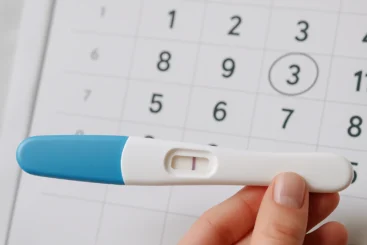
Human chorionic gonadotrophin, the hormone detected by pregnancy tests, rises only after implantation. If ovulation is late, implantation will also be shifted, so an early test may read negative even if you are pregnant. A simple approach is to test about 14 days after your confirmed ovulation rather than by calendar days from your last period. If the first result is negative and your period has not arrived, test again 48 to 72 hours later. Using a highly sensitive home pregnancy test can detect lower hCG early, although timing still matters more than brand.
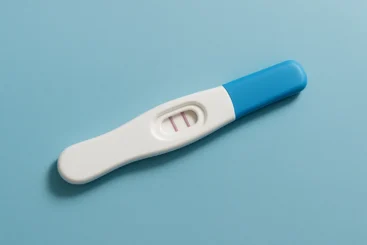
Follow the test instructions, use first morning urine for the earliest testing, and avoid large fluid intake beforehand. If you have irregular cycles and repeatedly uncertain results, speak with your GP. They may arrange a blood hCG if needed, though in many cases waiting a few more days provides a clear answer. If you are testing over several days after late ovulation, pregnancy test strips can support repeat testing when used exactly as directed. This guide to faint lines on pregnancy tests can also help if your result is hard to read.

What Late Ovulation Means For Your Period, Fertility, and Miscarriage Risk
Late ovulation shifts your whole cycle forward. Because the luteal phase length is often steady for each person, your period will usually arrive the same number of days after ovulation as it does in your typical cycles. This can make cycle prediction by the calendar difficult, which is why tracking by signs is more reliable than counting days alone. If late ovulation occurs now and then, it is usually part of normal variation. If it happens often, there may be a treatable cause.
Late ovulation does not by itself stop you from conceiving. The main challenge is timing sex so that sperm are present in the days before the egg is released. With consistent tracking, many people find and use that window. Age has the largest effect on natural fertility. Some people worry that late ovulation or late implantation causes miscarriage. There is no good evidence that ovulating late causes miscarriage. Implantation timing varies, and later implantation may be linked with lower ongoing rates in some groups, but this is not something you can measure or change at home. If you have had repeated miscarriages, seek an individual assessment with your GP who can refer you for further care.
When To See a GP or Specialist in Australia
Make an appointment if your cycles are longer than 35 days, you skip periods for three months, you have heavy bleeding, bleeding between periods, or severe pelvic pain. Seek care sooner if you have symptoms of thyroid disease, milk discharge from the breast when not breastfeeding, severe acne or increased facial hair, or sudden weight change. If you are under 35 and have tried to conceive for 12 months, or you are 35 or older and have tried for six months, it is time to speak with a GP.
Your GP can request hormone tests, check for iron deficiency and thyroid disease, order an ultrasound, and arrange a semen analysis for your partner. They can manage many conditions in primary care, including thyroid disease. For PCOS, first line care focuses on nutrition, activity, and weight management if relevant, and may include metformin for selected people. If you need help with ovulation, medicines such as letrozole or clomiphene may be prescribed by a specialist. These medicines can carry risks such as multiple pregnancy, hot flushes, mood changes, and ovarian cysts, and require monitoring. Your GP will discuss public and private referral options, Medicare rebates for tests, and local fertility clinics if needed.
How Home Ovulation and Pregnancy Tests Fit Into Your Plan
Ovulation tests, basal body temperature, and cervical mucus tracking help you identify your fertile window in real time. This is especially useful if late ovulation makes calendar predictions unreliable. Choose a method that you can stick with for a few months. Many Australians use a combination of ovulation tests for prediction and temperature for confirmation. Record results in an app or on paper so you can see patterns and share them with your GP.
If you are testing daily through a long or irregular cycle, ovulation test strips can support repeated LH testing when used according to the instructions. If you prefer one set of tools for cycle tracking and later pregnancy testing, fertility kits may be useful. If you are unsure when intercourse is best timed, this guide to the fertile window explains why the days before ovulation matter.
Home pregnancy tests give answers at the right time in the cycle. With late ovulation, testing by days past ovulation is more accurate than testing by cycle day. Early testing can cause confusion and repeat spending, so consider waiting until 14 days after ovulation for the best chance of a clear result. If you need support choosing a test or setting up a simple tracking routine, ask your GP or a family planning service. They can help you choose reliable products and a plan that suits your schedule and budget.
Frequently Asked Questions About Late Ovulation Australia
Is late ovulation common after stopping the pill?
Yes. It can take a few cycles for natural hormone patterns to settle after stopping hormonal contraception. Some people ovulate in the first month, while others take several months for regular ovulation to return.
Can breastfeeding delay ovulation even if my period is back?
Yes. Prolactin can remain high during breastfeeding and may make ovulation less predictable. Cycles often become more regular as feeds reduce, but variation is common while breastfeeding continues.
Does travel or shift work affect ovulation timing?
Changes in sleep, light exposure, and stress can shift the brain signals that drive ovulation. Late nights, rotating shifts, and long flights can all move cycle timing for a month or two.
Do anti-inflammatory pain medicines delay ovulation?
Some non steroidal anti-inflammatory medicines may interfere with follicle rupture around ovulation. Short term use for pain is common, but frequent use around the fertile window may not be ideal. Speak with your GP if you rely on them often.
Can I ovulate without having a period?
Yes. Ovulation can occur before your first period returns after birth or after a long cycle pause. This is why pregnancy is possible even when periods are irregular or absent. Tracking signs can help in this situation.
Will digital ovulation tests work if I have PCOS?
They can be helpful, although some people with PCOS have persistently higher LH that complicates readings. Pair ovulation tests with cervical mucus and temperature, and consider ultrasound tracking through your GP or specialist if needed.
Next Steps If You Are Facing Late Ovulation
If cycle timing is creating worry, start with a simple plan for three months. Use a daily ovulation test at the same time, pair it with basal body temperature on waking, and jot down any changes in cervical mucus. Time sex on the days of a clear LH surge and the following day. Test for pregnancy about 14 days after the surge or 14 days after a confirmed temperature rise. If your cycles are long or irregular, speak with your GP. Bring your notes and any test photos to your appointment. Your GP can arrange local blood tests and ultrasound, discuss causes such as thyroid disease or PCOS, and refer you sooner if you are 35 or older or have other red flags.
Many Australians find that a mix of steady tracking, lifestyle steps, and targeted medical care improves timing and reduces stress. If you need reliable home tests, choose trusted Australian suppliers and follow the instructions. Aim for consistency rather than perfection and ask for help early if you need it. If your next cycle still feels hard to read, this guide on missing an LH surge may help explain why ovulation tests sometimes stay negative.
Last reviewed: May 2, 2026
Next scheduled review: Mar 2027
References
Fertility2Family publishes Australia-focused fertility education. Articles are written by our team and medically reviewed by Australian-registered health practitioners. We use Australian consumer medicine information, Australian clinical and public health guidance, and peer-reviewed research consistent with Australian care. We explain what the evidence suggests, what it cannot confirm, and when to see a GP or fertility specialist. Each article lists its author, medical reviewer, and review dates.
https://www.healthdirect.gov.au/menstrual-cycle
https://www.healthdirect.gov.au/ovulation
https://www.healthdirect.gov.au/pregnancy-tests
https://www.racgp.org.au/ajgp/2018/july/assessment-and-management-of-infertility
https://ranzcog.edu.au/womens-health/patient-information-resources/infertility
https://www.jeanhailes.org.au/health-a-z/menstruation/menstrual-cycle
https://www.jeanhailes.org.au/health-a-z/fertility/trying-to-conceive
https://www.jeanhailes.org.au/health-a-z/pcos
https://www.yourfertility.org.au/everyone/timing-having-sex-get-pregnant
https://www.fpnsw.org.au/health-information/contraception/natural-fertility-awareness