18 min read
May 2, 2026
9 Best PCOS Supplements for Fertility and Ovulation

Written by
Fertility2Family Team

Medically reviewed by
Evan Kurzyp, RN (AHPRA), BSN, Master of Nursing
Polycystic ovary syndrome, or PCOS, affects about one in ten women of reproductive age. PCOS can change how the ovaries work, disrupt ovulation, and make cycle timing harder to predict. Many people also have insulin resistance, which can raise androgen hormones and affect the balance between luteinising hormone and follicle stimulating hormone. These changes can affect egg development, ovulation, skin, hair growth, weight, and fertility planning. Supplements cannot cure PCOS and should not replace medical care, but selected nutrients may support insulin sensitivity, inflammation, cycle regularity, and preconception health when used carefully. This guide explains nine commonly discussed PCOS supplements, how they may fit within Australian care, what your GP may check, and how tools such as ovulation tests and pregnancy tests can help you track your cycle. Any supplement plan should be discussed with your GP, pharmacist, dietitian, or fertility specialist, especially if you take prescription medicines, are trying to conceive, or are having fertility treatment.
Quick Answers About PCOS Supplements and Fertility
What are the best supplements for PCOS fertility support
The most discussed options include inositol, vitamin D, omega 3 fish oil, N acetyl cysteine, zinc, folate and B vitamins, coenzyme Q10, chromium or alpha lipoic acid, and selected herbal products such as berberine or saw palmetto. The right choice depends on your symptoms, blood results, medicines, and pregnancy plans.
How long do PCOS supplements take to help ovulation
Cycle changes often take three to six months. Some metabolic markers, such as vitamin D level, fasting insulin, glucose, or triglycerides, may change earlier. Supplements work best when paired with nutrition, movement, sleep, and medical care.
Can I take PCOS supplements with metformin or fertility medicines
Some products can affect blood sugar, hormones, bleeding risk, or medicine metabolism. Berberine, alpha lipoic acid, fish oil, inositol, and NAC should be checked with your GP if you take metformin, letrozole, clomiphene, anticoagulants, diabetes medicines, or IVF medicines.
What PCOS Is and Why Fertility Can Be Affected
PCOS is a hormonal condition that affects ovulation and metabolic health. In many people, insulin resistance makes the body produce higher insulin levels. Higher insulin can encourage the ovaries to make more androgens, including testosterone. This hormonal pattern can interrupt follicle growth and lead to irregular ovulation or anovulation, where the ovary does not release an egg.
Symptoms vary. Some people have acne, unwanted facial or body hair, thinning hair on the scalp, irregular periods, weight gain around the middle, or mood changes. Others have few outward signs but still experience irregular cycles or difficulty timing conception. PCOS is diagnosed using a combination of symptoms, blood tests, and ultrasound findings after other causes have been excluded. It is not diagnosed by one supplement marker or one scan alone.
Fertility can improve when the underlying drivers are addressed. For some people, this means nutrition changes, resistance training, weight management where needed, sleep support, and medical treatment. For others, medicines such as letrozole, metformin, or specialist fertility treatment may be needed. Supplements sit within this broader plan. They are supporting tools, not a stand-alone treatment.
How Supplements May Help Common PCOS Drivers
PCOS supplements are usually chosen to target one or more common drivers. These include insulin resistance, low vitamin D, inflammation, oxidative stress, androgen symptoms, and preconception nutrient needs. The goal is not to take every supplement at once. A safer approach is to match supplements to blood results, symptoms, and your current treatment plan.
If you are trying to conceive, cycle tracking can help you see whether your plan is changing ovulation patterns. In PCOS, ovulation may be delayed or inconsistent, so one month of tracking is rarely enough. Pairing cervical mucus signs, basal body temperature, and ovulation predictor kits can give more useful information than symptoms alone. If you need a simple setup for regular tracking, fertility kits can combine ovulation and pregnancy tests in one place, but your GP can confirm ovulation more accurately with a mid luteal progesterone blood test.
Inositol for PCOS
Inositol is one of the most studied supplements for PCOS. It is a naturally occurring compound involved in insulin signalling. Myo inositol is the form most often discussed for ovulation and cycle support. Some products combine myo inositol with D chiro inositol in a ratio based on reproductive research. You can read more about the difference between these forms in Fertility2Family’s guide to inositol, myo inositol and D chiro inositol.
Inositol may support insulin sensitivity, androgen balance, and ovulation patterns in some people with PCOS. It is often considered when cycles are irregular or insulin resistance is part of the picture. It is not a guaranteed fertility treatment, and it does not replace letrozole, metformin, or specialist care where those are indicated.
How much inositol should I take for PCOS
Many people need at least three months before cycle patterns are easier to assess. If you take metformin, diabetes medicines, or fertility medicines, discuss inositol with your GP or specialist so your blood sugar and treatment plan remain safe.
Vitamin D for PCOS
Vitamin D is involved in hormone signalling, immune function, and metabolic health. Low vitamin D is common in Australia, especially in people who get little sun exposure, cover most skin outdoors, have darker skin, work indoors, or live in cooler climates. In PCOS, low vitamin D may worsen insulin resistance and cycle irregularity in some people.
A blood test is the safest way to guide dosing. Australian clinicians commonly check serum 25 hydroxyvitamin D before recommending a supplement, then repeat testing if deficiency is found. More is not always better. Excess vitamin D can cause high calcium levels and other problems, so dosing should match your blood result and medical history.
If you are trying to conceive, correcting deficiency can support general preconception health. It should be considered alongside folate, iodine, iron status where relevant, and a broader fertility review.
Omega 3 Fish Oil for PCOS
Omega 3 fatty acids, especially EPA and DHA, are found in oily fish and fish oil supplements. They may support triglyceride levels, inflammation, and general metabolic health. Because PCOS often overlaps with insulin resistance and altered lipid profiles, omega 3 is commonly discussed as part of a PCOS plan.
Food should come first where possible. Oily fish, nuts, seeds, olive oil, legumes, vegetables, and whole grains all support metabolic health. If you use fish oil, choose a product that states the amount of EPA and DHA, not just total fish oil. If you take blood thinning medicines, have surgery planned, or bruise easily, check with your GP before taking high-dose fish oil.
N Acetyl Cysteine for PCOS
N acetyl cysteine, often called NAC, helps the body make glutathione, a major antioxidant. It has been studied in PCOS for insulin sensitivity, oxidative stress, and ovulation support. Some people use it as part of a fertility plan, particularly where insulin resistance or inflammation is suspected.
NAC can cause stomach upset in some people and may not suit everyone. It should be checked with your GP if you take medicines, have asthma, have bleeding concerns, or are preparing for a procedure. If you are undergoing fertility treatment, tell your clinic before starting NAC, as they need a complete list of all medicines and supplements.
Zinc for PCOS
Zinc supports immune function, skin health, wound healing, and enzyme activity. It may also play a role in androgen balance and inflammation. Some people with PCOS consider zinc when acne, hair shedding, or poor dietary intake is present.
Zinc should not be taken at high doses long term without advice. Excess zinc can upset the stomach and reduce copper absorption, which can create new problems. If your diet is low in meat, seafood, dairy, legumes, nuts, or seeds, your GP or dietitian can help assess whether zinc is worth checking or supplementing.
Folate and B Vitamins for PCOS and Preconception
Folate is important for anyone who could become pregnant because it lowers the risk of neural tube defects. Most Australian preconception advice recommends folic acid before conception and during early pregnancy. Some people need higher-dose folic acid due to medicines, diabetes, higher BMI, previous affected pregnancy, or other medical factors, so dosing should be discussed with a GP.
B12 is also important, especially for people who eat little or no animal products, have gut absorption issues, or take metformin long term. Metformin can lower B12 levels in some people. If you take metformin and feel tired, weak, numb, or have pins and needles, ask your GP whether B12 testing is needed.
B vitamins are not a quick fix for PCOS, but they support preconception health, energy metabolism, and safe early pregnancy planning.
Coenzyme Q10 for PCOS and Egg Quality
Coenzyme Q10 supports mitochondrial energy production. Mitochondria act like small power stations inside cells, including ovarian cells and developing eggs. CoQ10 is often discussed for egg quality, ovarian response, and IVF preparation, although results vary and it is not a guarantee of pregnancy.
Ubiquinol is the active form, while ubiquinone is converted by the body. Some people choose ubiquinol because it may produce higher blood levels, but it is often more expensive. CoQ10 may be considered if you are preparing for IVF, have concerns about egg quality, or want to support cellular energy as part of a broader plan. Speak with your fertility specialist about dose, timing, and when to stop once pregnancy is confirmed.
Chromium and Alpha Lipoic Acid for Insulin Resistance
Chromium and alpha lipoic acid are sometimes used for insulin sensitivity. Chromium is involved in glucose metabolism, while alpha lipoic acid has antioxidant and insulin sensitising actions. These supplements may be discussed when blood sugar, fasting insulin, or metabolic markers are part of the PCOS picture.
These products are not suitable for everyone. They may lower blood sugar and can interact with diabetes medicines or metformin. If you feel shaky, dizzy, sweaty, or faint after starting them, stop and seek medical advice. Your GP can help decide whether blood tests or a different approach would be safer.
Berberine and Herbal Products for PCOS
Berberine is a plant-derived compound studied for insulin resistance, cholesterol, and metabolic markers. It can affect blood sugar and may interact with medicines. It is not usually recommended during pregnancy, and it should be discussed with your GP if you are trying to conceive because you may need a clear stopping plan.
Saw palmetto is sometimes used for androgen-related symptoms, such as acne or unwanted hair growth, because it may affect androgen pathways. Evidence is less certain than for inositol or vitamin D deficiency correction. It is not usually continued during pregnancy and should be used cautiously if conception is possible.
Herbal products can still have strong biological effects. “Natural” does not always mean safe, especially during fertility treatment or early pregnancy. Check every herbal product with a GP, pharmacist, or fertility specialist.
Evening Primrose Oil and Cycle Symptoms
Evening primrose oil provides gamma linolenic acid, a fatty acid involved in prostaglandin pathways. Some people use it for breast tenderness, skin symptoms, or menstrual comfort. It is sometimes used in the follicular phase only, then stopped after ovulation, although evidence for fertility benefit is limited.
If you have epilepsy, take blood thinning medicines, have surgery planned, or are pregnant, discuss evening primrose oil with your GP before using it. It should not be treated as a core PCOS fertility treatment. It is better viewed as an optional symptom-focused supplement for selected people.
How PCOS Is Diagnosed and What Your GP May Check
Diagnosis in Australia is based on a pattern of symptoms, blood tests, and ultrasound. Your GP will ask about cycle length, acne, hair growth, weight changes, family history, and previous pregnancies. They may check blood pressure, body mass index, skin changes, and signs of insulin resistance.
Blood tests often include total and free testosterone, sex hormone binding globulin, LH, FSH, prolactin, thyroid function, fasting glucose, fasting insulin, HbA1c, and a lipid profile. A pelvic ultrasound may assess ovarian appearance and uterine structure. The Rotterdam criteria are commonly used, which means PCOS can be diagnosed when two of three features are present after other causes are excluded. These features are irregular ovulation, clinical or biochemical androgen excess, and polycystic ovarian appearance on ultrasound.
For people trying to conceive, doctors may also order anti Mullerian hormone, mid luteal progesterone to check ovulation, vitamin D, iron studies, and a semen analysis for the male partner if relevant. Understanding these results helps tailor lifestyle care, supplements, and any fertility medicines.
What Common Tests Involve and How to Prepare
A fasting blood test usually means no food for eight to twelve hours, with water allowed. Tests that assess sugar control may include a glucose tolerance test. For this, a fasting sample is taken, you drink a measured glucose drink, then more blood samples are taken over time. Some clinics also measure insulin levels to estimate insulin resistance. A lipid profile measures triglycerides and cholesterol fractions. A vitamin D test helps set a safe supplementation plan and is often repeated if deficiency is treated.
Pelvic ultrasound may be done through the abdomen or transvaginally. The transvaginal approach often provides the clearest view of the ovaries and uterus. It is a short scan, and you can ask for a chaperone. Timing may be scheduled in the early days of a cycle, or as needed.
If you track ovulation at home using urine LH tests, your GP can compare your tracking with a mid luteal progesterone blood test. This combination can confirm whether you ovulate and how long your luteal phase lasts. These details help time intercourse or treatment and help your doctor decide whether medicines such as letrozole may be appropriate.
Home Management That Supports Ovulation and Conception
Regular movement improves insulin sensitivity and lowers inflammation. A mix of cardio and resistance activity is often useful. If weight loss is recommended, even a modest reduction can restore ovulation for some people with PCOS. A simple starting point is to prioritise whole foods, lean protein, high fibre vegetables, legumes, and low glycaemic index carbohydrates. Spread protein across meals to stabilise hunger and blood sugar. Good sleep and stress management also support hormone regulation and cycle regularity.
Supplements can be added to a lifestyle plan when they match your needs. Myo inositol is commonly used for cycle support. Fish oil with a known amount of EPA and DHA can benefit metabolic health. Vitamin D should be adjusted to blood levels. NAC, CoQ10, zinc, and B vitamins may suit selected people. Chromium, berberine, and alpha lipoic acid need extra caution when insulin resistance or blood sugar medicines are involved. Pause non-essential supplements once pregnancy is confirmed unless your doctor advises otherwise.
Cycle tracking can make home management more useful. In PCOS, delayed ovulation can make it hard to know when to have sex or when to test. Ovulation test strips can help some people detect a surge, although false positives are more common when LH is high at baseline. A basal body thermometer can help confirm ovulation after it has occurred by showing a sustained temperature rise. If you are unsure whether your tracking is reliable, bring your records to your GP.
When to See a GP or Specialist in Australia
Book a GP appointment if your cycles are longer than 35 days, you skip periods, or you have acne, unwanted facial or body hair, scalp hair thinning, or pelvic pain. If you have been trying to conceive for twelve months under 35, or six months if you are 35 or older, seek review. Seek earlier care if you have diabetes, a high body mass index, known male factor concerns, previous pregnancy complications, or very irregular cycles.
Your GP can arrange tests, guide lifestyle changes, and discuss supplements. For conception, letrozole is often used first to induce ovulation. Metformin is considered when insulin resistance is present or if ovulation induction needs metabolic support. If you need advanced care, your GP can refer you to an endocrinologist or fertility specialist. Medicare rebates apply to many tests and appointments with a valid referral. If you are on prescription medicines, ask about interactions before starting berberine, inositol, fish oil, NAC, chromium, alpha lipoic acid, or herbal products.
How Ovulation and Pregnancy Tests Fit Into PCOS Care
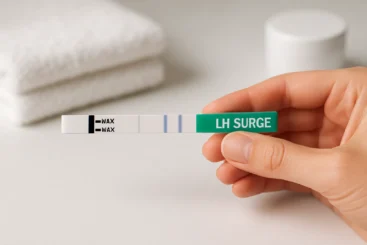
Ovulation predictor kits detect a rise in LH, the hormone that triggers egg release. In PCOS, LH can be higher at baseline, which may cause false positives or multiple surges. Testing at the same time daily helps, and some people test twice daily near the fertile window. Pair kits with cervical mucus changes and basal body temperature. A mid luteal progesterone blood test from your GP confirms that ovulation occurred. If LH tests are not reliable for you, your doctor may suggest ultrasound tracking in a monitored cycle.
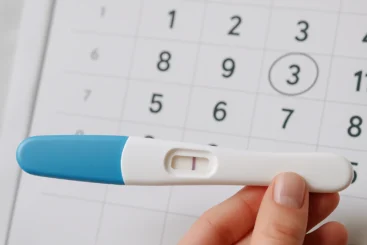
Conception can happen only if ovulation occurs and sperm meet the egg in time. Accurate timing matters, so home tracking tools are useful between clinic visits. Sensitive home pregnancy tests can detect early pregnancy. If you have a delayed period, test every few days. If your cycles are very irregular, talk with your GP about when to test and whether to use a serum hCG test.
 What does saw palmetto do for a woman with PCOS
During IVF or ovulation induction, your clinic will set timing based on scans and blood tests. Supplements such as CoQ10 may be discussed for mitochondrial function, which is relevant for egg development, but your clinic should know every product you take. If you need both ovulation and pregnancy tests for tracking at home, a fertility kit may be useful, provided you interpret results in the context of PCOS and medical advice.
Frequently Asked Questions About PCOS Supplements and Fertility Australia
Is inositol safe to take while preparing for IVF
Many clinics allow inositol during preconception and stimulation, but protocols differ. Share the brand, ingredients, and dose with your specialist and stop if they advise a change.
Do I need to test vitamin D before supplementing
A blood test helps set a safe dose and checks that you reach the target range. Your GP can repeat testing and adjust the plan to avoid excessive levels.
Can fish oil thin the blood
Fish oil has mild antiplatelet effects. If you take anticoagulants, bruise easily, or have surgery booked, tell your doctor. They may adjust dose or timing.
Will berberine replace metformin
Berberine and metformin can affect similar metabolic pathways, but they are not interchangeable for everyone. Your GP will decide based on blood results, side effects, pregnancy plans, and current medicines.
What form of CoQ10 is better for egg quality
Ubiquinol is the active form and can reach higher blood levels in some people. Others use ubiquinone. Discuss dose, timing, quality, and cost with your specialist.
Are there signs I should stop a supplement
Stop if you develop rash, breathing trouble, severe stomach pain, diarrhoea, marked dizziness, fainting, or symptoms of low blood sugar. Seek urgent care for severe symptoms. For milder effects, pause the product and speak with your GP.
Your Next Steps in Australia
If you suspect PCOS or are finding it hard to conceive, start with your GP. Ask about cycle, hormone, and metabolic tests, including vitamin D, glucose, insulin, lipids, thyroid function, prolactin, and androgen levels where appropriate. Build a daily routine that supports ovulation. Aim for regular movement, high fibre meals with steady protein, consistent sleep, and a plan that reduces blood sugar swings. Add supplements only where they match your blood results, symptoms, and pregnancy goals.
Inositol, fish oil, vitamin D, NAC, zinc, B vitamins, CoQ10, chromium, alpha lipoic acid, berberine, evening primrose oil, and saw palmetto each play different roles and carry different safety considerations. If you are trying to conceive, use ovulation tests, basal temperature, and pregnancy tests to track progress between visits, but confirm ovulation with a mid luteal progesterone blood test if results are unclear. Share every supplement with your GP or fertility specialist and review progress every few months.
Last reviewed: May 2, 2026
Next scheduled review: Mar 2027
References
Fertility2Family publishes Australia-focused fertility education. Articles are written by our team and medically reviewed by Australian-registered health practitioners. We use Australian consumer medicine information, Australian clinical and public health guidance, and peer-reviewed research consistent with Australian care. We explain what the evidence suggests, what it cannot confirm, and when to see a GP or fertility specialist. Each article lists its author, medical reviewer, and review dates.
https://www.healthdirect.gov.au/polycystic-ovarian-syndrome-pcos
https://www.jeanhailes.org.au/health-a-z/pcos
https://ranzcog.edu.au/womens-health/patient-information-resources/polycystic-ovary-syndrome-pcos
https://www.healthdirect.gov.au/vitamin-d
https://www.healthdirect.gov.au/ovulation-calculator
https://www.jeanhailes.org.au/health-a-z/fertility-and-pregnancy/trying-to-conceive