13 min read
May 17, 2026
Can You Have EWCM And Not Ovulate?

Written by
Fertility2Family Team

Medically reviewed by
Evan Kurzyp, RN, BSN, Master of Nursing
AHPRA registration: NMW0002424871
Yes, you can have egg white cervical mucus, often called EWCM, without ovulating. Fertile-quality mucus is mainly driven by rising oestrogen, not by egg release itself. This means you may see clear, slippery or stretchy discharge even if your LH surge is delayed, missed, weak, or the cycle does not release an egg.
This article explains why fertile mucus can appear without ovulation, what a negative ovulation test can mean, whether you can ovulate without obvious mucus, when pregnancy is still possible, and when to speak with a GP in Australia.
Quick Answers About EWCM, LH Tests And Ovulation
Can you have EWCM and not ovulate?
Yes. EWCM can appear when oestrogen rises, even if ovulation does not happen. It is a fertile-window sign, but it is not proof that an egg has been released. If this pattern repeats, use LH tests, basal body temperature and GP advice rather than relying on mucus alone.
Can you ovulate without egg white cervical mucus?
Yes. Some people ovulate without noticing EWCM. Mucus can be brief, internal, reduced by medicines or hydration changes, or simply less obvious in some cycles. A positive LH test followed by a sustained temperature rise can support that ovulation likely occurred, even if mucus was not clear.
What if I have EWCM but a negative ovulation test?
EWCM with a negative ovulation test can mean your LH surge has not happened yet, your surge was missed, the urine sample was diluted, or the cycle may not ovulate. Keep testing for another day or two, and consider twice-daily testing if your surge is usually short.
What cervical mucus is and what it tells you
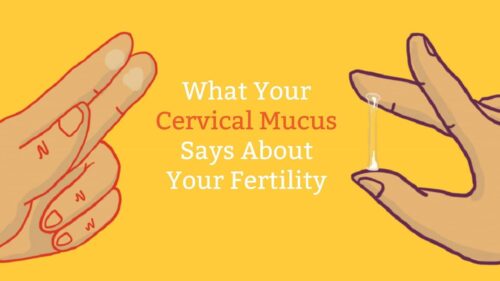
Cervical mucus is fluid made by glands in the cervix. It changes across the menstrual cycle in response to hormones. When oestrogen rises before ovulation, mucus often becomes wetter, clearer and stretchier, which can help sperm move through the cervix.
Many people describe their most fertile mucus as clear and stretchy like raw egg white. This can be a useful sign that your fertile window may be opening. It does not confirm that an egg has been released.
After ovulation, progesterone usually rises. Mucus often becomes thicker, creamier or tackier, and basal body temperature may rise. If you are learning your own pattern, Fertility2Family’s guide to cervical mucus changes and the menstrual cycle can help you understand what is typical for you.
Can you have EWCM without ovulation?
Yes. EWCM can happen without ovulation because mucus and ovulation are controlled by related but separate hormone signals. Oestrogen can make mucus slippery and stretchy before the body completes the LH surge and releases an egg.
This is why EWCM is best treated as a fertile-window sign, not a final answer. It can tell you sperm-friendly mucus is present. It cannot prove that ovulation happened that day or that ovulation will happen in every cycle.
Sometimes oestrogen rises and mucus becomes fertile, but the LH surge comes later than expected. In this pattern, EWCM may appear for several days before a positive ovulation test. This can be more common in longer or irregular cycles.
An anovulatory cycle means the ovary does not release an egg. Oestrogen can still rise during that cycle and create fertile-looking mucus. One unclear cycle can happen occasionally, but repeated cycles without ovulation are worth discussing with your GP.
Polycystic ovary syndrome can cause irregular ovulation and more than one patch of fertile mucus in the same cycle. You might see EWCM, then no temperature rise, then another patch of EWCM later. If this pattern is common for you, read Fertility2Family’s guide to PCO and PCOS and speak with your GP.
Some medicines, breastfeeding, recent hormonal contraception, stress, illness and perimenopause can change mucus, LH and temperature patterns. This does not always mean there is a serious problem, but it can make tracking harder.
In some cycles, hormone signs may suggest ovulation is close, but the follicle may not release an egg as expected. This is not something you can diagnose from mucus or home tests. If your charts repeatedly show mucus and LH changes without a temperature rise, ask your GP whether blood tests or ultrasound tracking are appropriate.
What if you have EWCM but a negative ovulation test?
EWCM with a negative ovulation test can happen when mucus appears before the LH surge, when the surge is brief, or when the urine sample is too diluted. It can also happen if you tested too early or only once that day.
If you have fertile mucus but no positive test, keep testing for another day or two. Testing twice daily during your fertile window can help catch a short surge. Many people test from late morning to evening rather than first morning urine, and avoid drinking large amounts of fluid shortly before testing.
If ovulation tests are consistently negative across several cycles, see Fertility2Family’s guide to reasons for a negative ovulation test. You may also find the guide on what happens if you do not have an LH surge useful.
Is the LH surge always visible when you have EWCM?
No. EWCM and LH do not always line up neatly. Some people see mucus before their LH surge. Others have a short LH surge that is easy to miss, especially if testing once daily or testing after drinking large amounts of fluid.
Ovulation tests detect luteinising hormone in urine, but they still depend on timing and technique. If your mucus becomes watery or stretchy, that is a good time to start or increase LH testing. Ovulation test strips can support repeated testing when used exactly as directed.
Clear stretchy discharge without ovulation
Clear, stretchy discharge usually means oestrogen is active. It can be a sign that the body is moving towards ovulation, but it does not confirm that ovulation has happened or that the cycle will definitely release an egg.
A practical rule is this: mucus helps you predict fertile days, LH testing helps you identify the likely ovulation window, and basal body temperature helps confirm after ovulation has likely occurred. If only one sign appears, keep tracking rather than assuming the cycle is clear.
Can you ovulate without getting EWCM?
Yes, ovulation can happen without obvious EWCM. Some people produce less mucus, notice it only internally, or miss it because it appears briefly. Antihistamines, some medicines, dehydration, vaginal irritation, age-related changes and breastfeeding can also make mucus less noticeable.
This is why lack of EWCM does not automatically mean lack of ovulation. If your ovulation tests turn positive and your temperature rises afterwards, ovulation may still have occurred even if you did not notice stretchy mucus.
If dryness affects comfort during sex, a fertility-friendly lubricant may help reduce friction. It should not be used to diagnose a mucus problem, but it may make timed intercourse easier if dryness is an issue.
Can you get pregnant without fertile cervical mucus?
Yes, pregnancy can still happen without obvious EWCM, especially if there is some cervical fluid and intercourse happens close to ovulation. EWCM can support sperm movement and survival, but not every pregnant cycle has clear, textbook mucus.
If you never notice fertile mucus and you are not conceiving, it is worth reviewing the pattern with your GP. Your doctor may ask about cycle length, medicines, vaginal symptoms, thyroid symptoms, breastfeeding, perimenopause, and whether ovulation is happening regularly.
Can EWCM appear after ovulation?
EWCM-like mucus can sometimes appear after ovulation. This may relate to a smaller oestrogen rise, cervical fluid changes, arousal, semen, or normal cycle variation. It does not usually mean you are ovulating twice in the same cycle.
If you see more than one patch of EWCM in the same cycle, keep tracking LH and temperature rather than relying on mucus alone. Fertility2Family’s guide to whether you can ovulate twice in a month explains why multiple fertile-looking phases can be confusing.
How ovulation is confirmed in Australia
At home, ovulation is suggested by a positive LH test followed by a sustained basal body temperature rise. Mucus can help you predict the fertile window, but it does not confirm ovulation by itself.
In clinical care, a GP may arrange a mid-luteal progesterone blood test, usually about seven days after suspected ovulation. If progesterone has risen, that supports that ovulation likely occurred. In some cases, ultrasound tracking may be used to check follicle growth and whether a corpus luteum has formed.
Australian pathways usually start with a GP review. Your GP may ask about cycle length, bleeding pattern, medicines, medical history, weight changes, stress, breastfeeding, and how long you have been trying to conceive.
What the tests involve: LH, temperature, bloods and ultrasound
LH testing uses urine to detect the hormone surge that usually comes before ovulation. If your mucus is confusing, using ovulation tests across your fertile window can help narrow your timing.
Basal body temperature tracking looks for a sustained temperature rise after ovulation. Take your temperature first thing after waking, before getting out of bed or talking. A basal body thermometer can make small shifts easier to see.
Blood tests can check progesterone, thyroid function, prolactin and other markers when clinically relevant. Ultrasound may be used if your GP or fertility specialist needs more information about follicle growth, ovarian cysts, uterine factors, or whether ovulation is likely occurring.

Using mucus, LH and temperature together
You do not need to track every small change. A simple approach is to note your daily mucus pattern, test LH around your expected fertile days, and keep a consistent temperature routine if BBT suits you.
Start LH testing when mucus becomes watery, slippery or stretchy. If you record a clear positive, time intercourse that day and the following day. Fertility2Family’s guide to when to have sex after an LH surge explains how to use that timing.
If mucus appears but LH tests remain negative, continue testing for another day or two and check technique. If your temperature does not rise in the week after your mucus peak and LH testing stayed negative, ovulation may not have happened. One unclear cycle is common. Repeated unclear cycles should be discussed with your GP.

Why a temperature rise might be hard to see
Temperature charts depend on steady conditions. Short sleep, waking at different times, alcohol, fever, shift work, mouth breathing or taking your temperature after getting up can all blur the rise.
A messy BBT chart does not always mean ovulation failed. It may mean temperature is not the clearest tool for your body or routine. Pair BBT with mucus and LH testing so one sign can support the others.
How Fertility2Family products fit into your tracking
At-home tools can make cycle tracking more practical when used with clear limits. Ovulation test strips help identify the LH surge before ovulation. A basal body thermometer can help show the temperature rise after ovulation. Fertility kits can combine cycle-tracking tools and collection cups for consistency.
Once you are in the luteal phase, pregnancy test strips can be used from the day your period is due, or earlier with the understanding that early testing can be negative even if pregnancy has occurred.
These tools do not diagnose PCOS, anovulation, thyroid problems or infertility. They can help you collect clearer cycle information to discuss with your GP or fertility nurse.
When to see a GP or fertility specialist in Australia
See your GP if your cycles are longer than 35 days, shorter than 21 days, or vary widely from month to month. Also seek advice if you have frequent spotting, very heavy bleeding, severe pain, unusual discharge, new acne, excess hair growth, or symptoms that make you think ovulation is not regular.
If you are under 35 and have been trying to conceive for 12 months, or 35 or older and have been trying for six months, book a GP review. Earlier advice is reasonable if you have irregular cycles, PCOS, endometriosis, thyroid disease, previous pelvic infection, or a known reproductive health condition.
Your GP may order hormone tests, arrange an ultrasound, discuss semen analysis, or refer you to a fertility specialist. Care should match your symptoms, cycle pattern, age and goals.
Frequently Asked Questions About EWCM And Ovulation Australia
Can you get pregnant if you have EWCM but no LH surge?
Pregnancy is possible if ovulation later occurs and sperm are present during the fertile window. If there is no LH surge and no ovulation, pregnancy cannot occur from that cycle. If this pattern repeats, keep tracking and speak with your GP.
Why do I get clear stretchy discharge more than once in a cycle?
Clear stretchy discharge can appear more than once when oestrogen rises more than once. This may happen with delayed ovulation, PCOS, stress, illness, cycle changes or after stopping hormonal contraception. Tracking LH and temperature can help show whether ovulation likely followed one of those mucus patches.
How can I tell if I am really ovulating?
At home, a positive LH test followed by a sustained basal body temperature rise supports that ovulation likely occurred. A GP can arrange a mid-luteal progesterone blood test or ultrasound when needed. Mucus alone can predict fertile days, but it cannot confirm egg release.
When should I start using ovulation tests if I track mucus?
Start when mucus becomes wetter, slippery or stretchy, or a few days before your expected fertile window. If your surge is short, testing twice daily may help. Follow the test instructions and avoid very diluted urine, as timing and sample concentration can affect results.
Does PCOS cause EWCM without ovulation?
It can. PCOS can cause irregular hormone patterns, multiple oestrogen rises and delayed or absent ovulation. This can make fertile-looking mucus appear more than once in a cycle. Speak with your GP if this pattern repeats or your cycles are irregular.
Can EWCM after ovulation mean pregnancy?
EWCM-like discharge after ovulation can happen for several reasons and does not confirm pregnancy. It may relate to normal cervical fluid changes, arousal, semen, or a smaller oestrogen rise. If your period is late, use a pregnancy test and speak with your GP if results are unclear.
Last reviewed: May 9, 2026
Next scheduled review: May 2027
References
Fertility2Family publishes Australia-focused fertility education. Articles are written by our team and medically reviewed by Australian-registered health practitioners. We use Australian consumer medicine information, Australian clinical and public health guidance, and peer-reviewed research consistent with Australian care. We explain what the evidence suggests, what it cannot confirm, and when to see a GP or fertility specialist. Each article lists its author, medical reviewer, and review dates.
https://www.healthdirect.gov.au/fertility-awareness-natural-family-planning
https://www.betterhealth.vic.gov.au/health/conditionsandtreatments/ovulation
https://www.fpnsw.org.au/factsheets/individuals/periods/menstrual-cycle
https://www.jeanhailes.org.au/health-topics/periods/
https://www.jeanhailes.org.au/health-topics/pcos/how-does-pcos-affect-fertility-and-pregnancy/
https://ranzcog.edu.au/wp-content/uploads/Pre-Pregnancy-Counselling.pdf
https://www.ncbi.nlm.nih.gov/books/NBK546661/
https://www.ncbi.nlm.nih.gov/books/NBK546686/
https://pubmed.ncbi.nlm.nih.gov/33990841/