18 min read
May 16, 2026
PCO vs PCOS: What PMOS Means for Diagnosis, Ultrasound and Fertility in Australia

Written by
Fertility2Family Team

Medically reviewed by
Evan Kurzyp, RN, BSN, Master of Nursing
AHPRA registration: NMW0002424871
Polycystic ovaries on an ultrasound do not automatically mean PCOS, now PMOS. PCO describes how ovaries look on a scan. PCOS, now called PMOS, is diagnosed from a pattern of ovulation, androgen and ovarian findings after other causes are considered. In Australia, the safest next step is a GP review with cycle history, blood tests and ultrasound only when it adds useful information.
On 12 May 2026, a global consensus published in The Lancet and led by Professor Helena Teede from Monash University recommended polyendocrine metabolic ovarian syndrome, or PMOS, as the new name for polycystic ovary syndrome. This guide explains PCO vs PCOS, what PMOS means, how ultrasound and blood tests fit into diagnosis, and when home ovulation or pregnancy testing may help while you are waiting for medical advice.
Quick Answers About PCO vs PCOS and PMOS Australia
Do polycystic ovaries mean I have PCOS or PMOS?
No. Polycystic ovaries are an ultrasound finding, not a diagnosis by themselves. PCOS, now called PMOS, is diagnosed by looking at your cycle pattern, androgen signs or blood results, and ovarian findings after other causes have been considered.
What is the difference between PCO and PCOS?
PCO means the ovaries have many small follicles on ultrasound. PCOS, now PMOS, is a broader endocrine and metabolic condition that can affect ovulation, periods, skin, hair growth, fertility and long term health.
How do I get tested for PCOS or PMOS in Australia?
Start with an Australian GP. Your GP can review your cycle history, symptoms and medicines, then order hormone blood tests, metabolic screening and a pelvic ultrasound if it is useful for your age and symptoms.
PCO vs PCOS and PMOS Guide Australia
PCO means polycystic ovaries or polycystic ovarian morphology on ultrasound. It is usually found on a pelvic ultrasound and does not diagnose PCOS or PMOS by itself. If cycles are regular and there are no androgen symptoms, PCO may have little effect on fertility.
PCOS means polycystic ovary syndrome, the older clinical name. It is assessed with cycle history, androgen symptoms or blood tests, and sometimes ultrasound or AMH in adults. It may make ovulation irregular, but many people conceive with the right care.
PMOS means polyendocrine metabolic ovarian syndrome. It is the new name for PCOS and describes the same condition while Australian health systems update their wording. Fertility impact depends on ovulation, age, metabolic health and any other fertility factors.
A normal ultrasound means the ovaries do not meet the scan pattern for polycystic ovarian morphology. It does not always rule out PCOS or PMOS if cycle and androgen features are present. Ovulation still needs to be assessed by cycle pattern, progesterone testing or specialist review.
What does PCO mean?
PCO usually means polycystic ovaries. It describes the appearance of the ovaries on ultrasound, not a full medical diagnosis.
On a scan, the ovaries may show many small follicles. These follicles are not dangerous cysts in the usual sense. They are small fluid filled sacs that can contain immature eggs.
Some people have PCO and regular cycles. They may ovulate normally and have no acne, excess hair growth or metabolic concerns. In that situation, the scan may be a normal variation.
PCO vs PCOS: what is the difference?
PCO is an imaging description. PCOS, now called PMOS, is a clinical condition that involves hormones, ovulation and metabolic health.
The difference matters because an ultrasound report can sound more serious than it is. A scan may say “polycystic ovarian morphology” even when your periods are regular and your blood tests are normal.
PCOS, now PMOS, usually needs a wider review. Your GP will ask about cycle length, missed periods, acne, facial or body hair growth, scalp hair thinning, weight changes, medicines and family history. Blood tests and metabolic checks help decide whether the scan finding is part of a syndrome or only an ultrasound pattern.

Polycystic ovaries can appear on ultrasound without PCOS or PMOS. Diagnosis also depends on cycle pattern, androgen signs and targeted test results.
PCOS is now PMOS: what changed in 2026?
PCOS has been renamed PMOS, which stands for polyendocrine metabolic ovarian syndrome. The condition has not changed.
The new name reflects that the condition is not only about ovaries or cysts. PMOS better describes the endocrine, metabolic and ovarian features that can affect periods, skin, ovulation, insulin resistance and long term health.
The rename followed a 14-year global consensus process led by Professor Helena Teede from Monash University. The process included more than 22,000 patient, public and health professional contributions and 56 patient and professional organisations, with reported support from 86% of patients and 71% of clinicians.
The Endocrine Society has endorsed the rename, and the RACGP has covered the change for Australian general practice. Jean Hailes for Women’s Health remains a useful Australian patient resource while health systems update wording from PCOS to PMOS.
Many readers assume the rename means PCOS treatment has changed. The Australian evidence shows the condition, diagnostic approach and main care pathways are unchanged during the transition. The practical implication is that you may see both PCOS and PMOS used together for some time, especially in GP referrals, pathology forms, ultrasound reports and online health information.
If you are researching the new name, use PCOS and PMOS together when reading older Australian health resources. If you are speaking with a GP, you can ask whether your symptoms fit the current diagnostic criteria and how the PMOS rename affects your care.
For supplement questions, use the dedicated Fertility2Family guide to PCOS supplements in Australia. For dosing questions, use the separate guide to inositol for PCOS or the guide that explains the difference between inositol, myo-inositol and d-chiro-inositol. This page stays focused on diagnosis, ultrasound and testing.
The Path from PCOS to PMOS, 1935 to 2026
The language around PCOS has changed as research has moved from ovarian appearance to whole-body endocrine and metabolic health. The PMOS rename is the latest step in that diagnostic history.
1935: Stein and Leventhal described a pattern later linked to polycystic ovaries, irregular periods and androgen features. This shaped the older ovarian focus that later became PCOS.
1990: The NIH criteria focused diagnosis on ovulation problems and clinical or biochemical androgen excess. This helped separate a hormonal syndrome from an ultrasound finding alone.
2003: The Rotterdam criteria added polycystic ovarian morphology as one of three diagnostic features. This is why ultrasound became more visible in PCOS assessment, even though it is not the whole diagnosis.
2018: The International Evidence-Based Guideline for PCOS strengthened diagnosis and management guidance. Australian clinicians and patient groups, including Monash-linked researchers, helped shape clearer care pathways.
2023: The International PCOS Guideline was updated. This remains important while the new PMOS wording is adopted across health systems.
2026: The Lancet published the global consensus recommending PMOS as the new name for PCOS. The new name reflects endocrine, metabolic and ovarian features, not only cysts.
2028: The 2023 International PCOS Guideline is expected to be republished as the PMOS Guideline. This should make the terminology shift clearer in guidelines, education and clinical resources.
PCOS ultrasound: what to expect in Australia
A PCOS ultrasound checks ovarian appearance, follicle number, ovarian volume and other pelvic structures. It can support diagnosis in adults, but it should not be read alone.
Your GP may request a pelvic ultrasound if your symptoms, cycle pattern or blood tests suggest PCOS, now PMOS. The scan may be abdominal, transvaginal or both, depending on your age, symptoms, comfort and clinical situation.
An abdominal scan uses a probe across the lower belly, often with a full bladder. A transvaginal scan places a slim probe inside the vagina for a closer view, if suitable and consented to. You can ask the imaging clinic what type of scan is planned before the appointment.
The report may mention polycystic ovarian morphology, follicle count or ovarian volume. Ask your GP to explain the result beside your symptoms and blood tests. A scan result without that context can lead to confusion.
PCOS ultrasound vs normal ultrasound
A PCOS ultrasound may show more small follicles or larger ovarian volume than expected. A normal ultrasound does not always rule out PCOS or PMOS.
This is because PCOS, now PMOS, can be diagnosed without polycystic ovarian morphology if other diagnostic features are present. For example, irregular ovulation and clear androgen excess may be enough after other causes are considered.
A normal ultrasound can still be useful. It may check for other causes of pain, bleeding, ovarian cysts or pelvic findings. It can also help if your GP is deciding whether a gynaecology referral is needed.
In adolescents, ultrasound is usually handled with extra caution because normal puberty can create similar ovarian patterns. A GP, paediatrician, endocrinologist or gynaecologist can advise when to test, when to monitor, and when not to label too early.

PMOS diagnosis uses symptoms, blood tests and sometimes ultrasound. A scan result alone is not the full diagnosis.
How is PMOS diagnosed in Australia?
PMOS is diagnosed by assessing the same condition previously called PCOS. In adults, clinicians usually look for a pattern across ovulation, androgen excess and ovarian findings after excluding similar conditions.
The Rotterdam criteria are still central to how many adults are assessed. They consider ovulation pattern, androgen excess and polycystic ovarian morphology, with other causes checked where clinically relevant.
Your GP may ask whether your cycles are longer than 35 days, absent for months, or difficult to predict. They may ask about acne, excess facial or body hair, scalp hair thinning, weight changes, sleep, mood and family history of diabetes or PCOS.
Your GP may check blood pressure, weight and waist measurement. This is not about blame. It helps assess metabolic risk because PMOS can be linked with insulin resistance, type 2 diabetes risk and cholesterol changes.
The 2023 International PCOS Guideline remains important while the PMOS transition happens. It is expected to be republished in 2028 as the PMOS Guideline, which should make the new wording clearer for clinicians and patients.
Some people need a referral to a gynaecologist, endocrinologist or fertility specialist. This is more likely if symptoms are severe, blood results are unclear, periods are absent, fertility treatment is being considered, or another condition may be involved.
Blood tests for PCOS or PMOS
Blood tests for PCOS or PMOS usually check androgens, ovulation related hormones and metabolic risk. They also help rule out conditions that can look similar.
Cycle history: Your GP will ask about period timing, missed periods, long cycles and bleeding pattern. This helps show whether ovulation may be irregular or absent.
Androgen blood tests: These may include total testosterone, free testosterone or calculated free androgen index, sex hormone binding globulin and other androgens if needed. They help identify biochemical androgen excess, especially when symptoms are unclear.
Thyroid and prolactin blood tests: These check thyroid function and prolactin levels. They help rule out other common causes of irregular periods.
Metabolic blood tests: These may include fasting glucose, an oral glucose tolerance test, HbA1c and cholesterol. They help assess insulin resistance, diabetes risk and cardiovascular risk linked with PMOS.
Progesterone blood test: This may be checked about seven days after suspected ovulation. It helps confirm whether ovulation likely occurred in that cycle.
Pelvic ultrasound: This checks follicle number, ovarian volume and other pelvic findings. It can support diagnosis in adults, but it does not diagnose PCOS or PMOS by itself.
AMH blood test: Anti-Müllerian hormone can reflect the number of small follicles. It may help in some adult diagnostic pathways, but it is not a stand alone test for everyone.
Your GP may request total testosterone, free testosterone or calculated free androgen index, sex hormone binding globulin and other androgen tests if needed. Thyroid function and prolactin may be checked because thyroid and prolactin changes can affect periods.
Metabolic tests may include fasting glucose, an oral glucose tolerance test, HbA1c and cholesterol. These results help plan care beyond the diagnosis label.
AMH can reflect the number of small follicles and may be used in some adult diagnostic pathways. It is not a stand alone answer for every person, and it is not usually used to diagnose adolescents.
Medicare rebates may apply to GP requested pathology or imaging when clinically indicated, but out of pocket costs depend on the clinic, pathology provider, imaging provider and referral details. Ask the GP clinic and imaging service about costs before testing if price matters.
Can you have polycystic ovaries but not PCOS?
Yes. You can have polycystic ovaries on ultrasound without PCOS or PMOS.
This is common when cycles are regular and there are no androgen symptoms. The ultrasound appearance may reflect a higher number of small follicles rather than a syndrome.
The reverse can also happen. You may have PCOS, now PMOS, with a normal ultrasound if your cycle pattern and androgen findings meet diagnostic criteria. This is why diagnosis should sit with a GP or specialist, not the scan report alone.
If your report says PCO, PCOM or polycystic ovarian morphology, ask your GP whether it matches your symptoms. The most useful question is not “does my scan look polycystic?” It is “do my symptoms and test results meet criteria for PCOS or PMOS?”
Fertility and ovulation with PCO, PCOS and PMOS
PCO alone often has little effect on fertility if ovulation is regular. PCOS, now PMOS, can make conception harder when ovulation is delayed, irregular or absent.
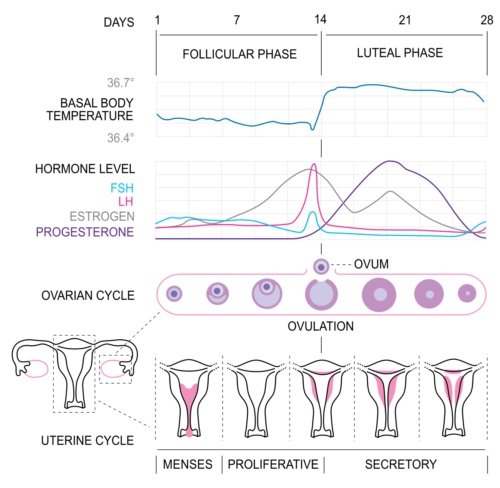
If your cycles are predictable, ovulation tests may help identify your fertile window. If your cycles are irregular or your LH results keep changing, pair testing with cycle dates, cervical mucus and medical advice rather than relying on one result.
A basal body thermometer can help show a temperature rise after ovulation. Fertility2Family’s guide to fertile cervical mucus without ovulation explains why one body sign may not tell the whole story.
Pregnancy tests work the same in people with PCOS or PMOS. The challenge is timing. If ovulation was late, a test may be negative simply because it was used too early. Fertility2Family’s guide to late ovulation and pregnancy timing explains why a later egg release can shift the best testing day.
Pregnancy tests are most useful from around two weeks after suspected ovulation or from the day your period is due if your cycle is predictable. If your period is absent and home tests are negative, this guide to a no period and negative pregnancy test may help you decide when to seek advice.

Ovulation tests can help when cycles are regular, but PMOS can make LH patterns harder to interpret.
PCOS to PMOS terminology checker
Use this simple wording guide when you read scan reports, GP notes or online health resources.
PCO or PCOM
This usually means the ovaries have a polycystic appearance on ultrasound. It does not confirm PCOS or PMOS unless the wider diagnostic pattern fits.
PCOS
This is the older name, polycystic ovary syndrome. It is still widely used in Australian clinics, pathology systems, Medicare item wording and older patient information.
PMOS
This is the new name, polyendocrine metabolic ovarian syndrome. It refers to the same condition as PCOS and better reflects the endocrine and metabolic features.
PCOS, now PMOS
This wording is useful during the transition because it connects current search language with the new clinical name.
Do I have PCOS or PMOS, and when should I see a GP?
You cannot confirm PCOS or PMOS from one symptom, one scan or one home test. The pattern across periods, androgen signs, blood tests and sometimes ultrasound gives the answer.
A practical first step is to record your cycle dates for three months. Note bleeding pattern, acne, hair changes, scalp shedding, weight changes, pelvic pain and any medicines or hormonal contraception.
See a GP if your cycles are longer than 35 days, absent for months, unpredictable, very heavy or very painful. Also seek advice for persistent acne, excess facial or body hair, scalp hair thinning or sudden weight changes.
If you are on the oral contraceptive pill, tell your GP before testing. The pill can improve acne and bleeding patterns, but it can also change some blood test results. Your GP can advise whether testing should happen while taking it or after a planned pause.
If you are under 35 and have tried to conceive for 12 months, book a fertility review. If you are 35 or older, book a review after six months. Earlier review is reasonable with irregular cycles, known endometriosis, previous pelvic infection, recurrent miscarriage or suspected PMOS.
Your GP may arrange blood tests, ultrasound, semen analysis for a partner, preconception bloods or referral. A fertility specialist may help if ovulation induction, tubal testing or assisted reproduction is needed.
The AskPCOS app from Monash can help some people prepare questions before a medical appointment. It does not replace GP care, but it can help you understand terms such as PMOS, androgen excess, ovulation and metabolic screening.
Frequently Asked Questions About PCO, PCOS and PMOS Australia
What is PCO full form?
PCO usually stands for polycystic ovaries. In ultrasound language, your report may also use PCOM, which means polycystic ovarian morphology. Both terms describe how the ovaries look on imaging. They do not prove that you have PCOS or PMOS without symptoms, blood test results and clinical review.
Is PCO the same as PCOS?
No. PCO is an ultrasound appearance. PCOS, now PMOS, is a syndrome that can involve irregular ovulation, androgen excess, skin changes, hair growth, fertility issues and metabolic risk. You can have PCO without PCOS. You can also have PCOS or PMOS without a classic polycystic ovarian appearance on ultrasound.
What does PMOS stand for?
PMOS stands for polyendocrine metabolic ovarian syndrome. It is the new name for the condition previously called polycystic ovary syndrome, or PCOS. The name was recommended to better reflect that the condition can affect hormones, metabolism, ovaries, skin, mental wellbeing and long term health.
Is PMOS the same condition as PCOS?
Yes. PMOS is the new name for the same condition previously called PCOS. The rename does not mean your past diagnosis was wrong. It means the wording is changing to better reflect the condition and reduce the misleading focus on cysts.
How do I know if I have polycystic ovaries?
Polycystic ovaries are usually found on pelvic ultrasound. You cannot confirm them from symptoms alone. If your scan report mentions polycystic ovarian morphology, ask your GP whether it fits your cycle pattern, androgen signs and blood results. The scan result is one part of the picture.
What blood tests are used for PCOS or PMOS?
Blood tests may include testosterone, sex hormone binding globulin, other androgens, thyroid function, prolactin, glucose testing and cholesterol. Some adults may also have AMH checked. Your GP chooses tests based on age, symptoms, medicines, contraception use and whether other causes need to be ruled out.
Can PCOS be diagnosed without ultrasound?
Yes. In adults, PCOS, now PMOS, may be diagnosed without ultrasound if other required features are present and similar conditions have been considered. Ultrasound can still help in some cases. It is not always needed, and it should not be used as the only diagnostic answer.
Can ultrasound miss PCOS or PMOS?
A normal ultrasound does not always rule out PCOS or PMOS. Ovarian appearance can vary by age, scan type, equipment and clinical context. Diagnosis depends on the whole pattern, including cycles, androgen signs, blood tests and other causes that may need to be checked.
Does PCOS or PMOS affect fertility?
It can, mainly when ovulation is irregular or absent. Many people with PCOS or PMOS still conceive, sometimes naturally and sometimes with ovulation induction or specialist support. Fertility also depends on age, sperm factors, tubal health, endometriosis, timing and general health.
Should I use ovulation tests if I have PCOS or PMOS?
Ovulation tests can be useful if your cycles are regular enough to predict a testing window. With PMOS, baseline LH can be higher or surge patterns can be confusing. If results do not match your cycle pattern, pair them with cervical mucus, temperature tracking or a GP arranged progesterone blood test.
Next Steps in Australia
If your ultrasound report mentions polycystic ovaries, book a GP appointment with your cycle dates, symptoms and any current medicines. If you are tracking while waiting for review, Fertility2Family’s ovulation test strips may help when cycles are regular, and pregnancy tests can be used from the right time after suspected ovulation. Fertility2Family is Australian-owned since 2009 and offers discreet packaging with tracked Australia wide delivery, but confusing cycles, repeated negative ovulation tests or suspected PMOS should be reviewed with a GP.
Last reviewed: May 2026. Next scheduled review: May 2027.
References
Fertility2Family publishes Australia-focused fertility education. Articles are written by our team and medically reviewed by Australian-registered health practitioners. We use Australian consumer medicine information, Australian clinical and public health guidance, and peer-reviewed research consistent with Australian care. We explain what the evidence suggests, what it cannot confirm, and when to see a GP or fertility specialist. Each article lists its author, medical reviewer, and review dates.
https://www.thelancet.com/journals/lancet/article/PIIS0140-6736(26)00717-8/fulltext
https://www.monash.edu/medicine/sphpm/mchri/pcos/resources
https://www.endocrine.org/news-and-advocacy/news-room/2026/pcos-name-change
https://www1.racgp.org.au/newsgp/clinical/pcos-officially-renamed-polyendocrine-metabolic-ov
https://www.jeanhailes.org.au/health-a-z/pcos
https://www.healthdirect.gov.au/polycystic-ovary-syndrome-pcos
https://www.healthdirect.gov.au/ultrasound-scan
https://www.healthdirect.gov.au/insulin-resistance
https://www.betterhealth.vic.gov.au/health/conditionsandtreatments/polycystic-ovary-syndrome-pcos
https://www.betterhealth.vic.gov.au/health/conditionsandtreatments/ultrasound-scan
https://www.monash.edu/medicine/sphpm/mchri/pcos
https://ranzcog.edu.au/womens-health/patient-information-resources