
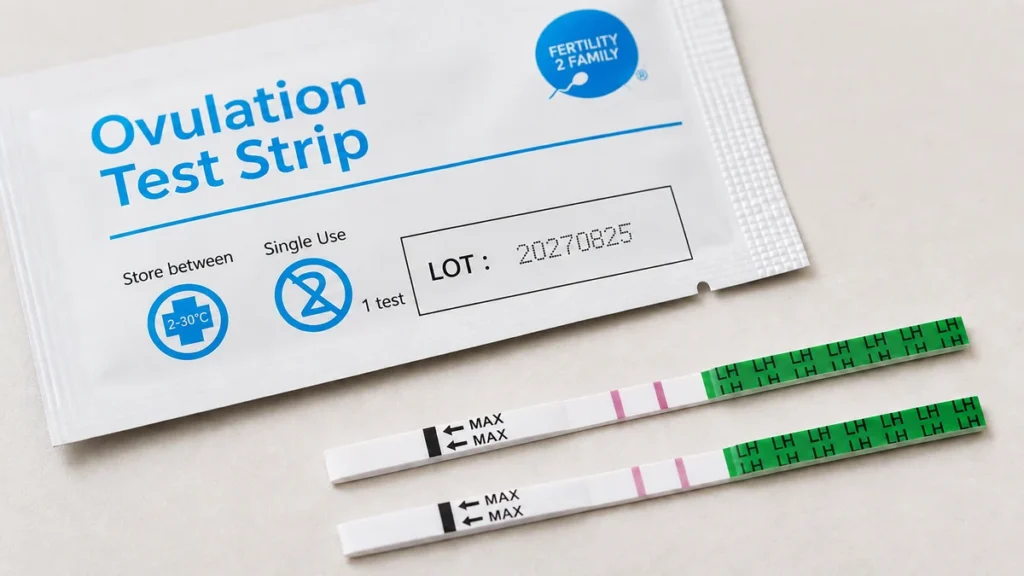

Seeing a second positive ovulation test can be confusing, especially when the first peak seemed to have passed. Can you ovulate twice a month? Yes, when the two ovulations belong to different menstrual cycles. Usually, however, two positive tests show two rises in luteinising hormone (LH), not two confirmed egg releases.
Within one natural cycle, separate ovulations days or a week apart are not well supported. More than one egg may, however, be released during the same ovulatory episode. An ovulation predictor kit detects urinary LH; it cannot show an egg leaving the ovary, count eggs or predict twins.
If the second result appears after the first rise was not followed by a sustained temperature shift or a period, keep tracking and regard later fertile signs as potentially relevant. Repeated confusing peaks, very irregular or absent periods, or an unexpected pattern during fertility treatment should be discussed with a GP or fertility clinic.
Quick answers about ovulating twice and two LH surges
Can you ovulate twice in one month?
Yes. Two ovulations can fall in one calendar month when they belong to two different menstrual cycles. Within one natural cycle, more than one egg may be released during one ovulatory episode, but separate ovulations many days or a week apart are not well supported.
Do two LH surges mean two ovulations?
No. An ovulation test shows that urinary LH reached the device’s positive threshold. A broad, prolonged, biphasic or repeated LH pattern can produce more than one positive result without showing whether an egg was released or how many eggs were released.
What should you do after a second LH peak?
Keep recording the sequence and treat later fertile signs as potentially relevant when the first rise was not followed by a sustained temperature shift or a period. Seek GP or fertility-clinic advice if the pattern repeats with very irregular or absent periods, positive results over many days or fertility medicines.
What is the difference between ovulating twice in a month and twice in one cycle?
A calendar month is a date range. A menstrual cycle begins on the first day of one period and ends the day before the next period. Shorter or shifting cycles can place one ovulation near the beginning of a month, followed by a period and another cycle’s ovulation before the month ends.
Within one natural cycle, the better-supported distinction is between the ovulatory episode and the number of eggs released during it. More than one mature follicle may release an egg during one ovulatory episode, which is explained in the separate guide to hyperovulation and releasing two eggs.
This is why “twice in a month” and “twice in one cycle” are not interchangeable. The first can occur because calendar dates and cycle boundaries do not line up. The second is more likely to describe a variable LH pattern or more than one egg released within one ovulatory window.
Positive ovulation test twice in one month: what does the gap between peaks mean?
LH surges vary in shape, height and duration. Research following 107 normally fertile women across 283 cycles found substantial variation, including surges with several peaks. The time between two positive results therefore changes the most reasonable interpretation, but it does not identify egg release by itself.
| Timing or pattern | Reasonable interpretation | Useful next step |
|---|---|---|
| Positive tests on consecutive days, or another positive 1 to 3 days later | One prolonged, broad, plateau or biphasic LH surge may have crossed the device threshold more than once. | Keep the full sequence and follow the exact device instructions rather than choosing the darkest strip as proof of ovulation. |
| A positive result, no sustained BBT rise, then another positive 4 to 7 days later | Ovulation may have shifted later, or the temperature record may be too unclear to date it. | Treat later fertile signs as potentially relevant and continue tracking. |
| Dark or nearly positive results continue for many days with irregular cycles | Baseline LH, delayed or absent ovulation, urine concentration and the device threshold can all affect the pattern. | Check technique and arrange GP advice if the pattern recurs. |
| A positive result is followed by a sustained BBT rise, then an OPK darkens near the expected period | The earlier ovulation is better supported; the late line needs a different explanation. | Use an hCG pregnancy test when due rather than treating the OPK as a new fertile window. |
| Fertility medicine is used and ultrasound shows more than one mature follicle | More than one egg may be released around the clinic-directed surge or trigger. | Follow the clinic’s intercourse, insemination, medicine and testing plan. |
None of these patterns can count eggs or predict twins. If neither rise becomes clearly positive, the guide to repeated tests without a clear LH surge covers missed, later and unclear patterns. A dark result near the expected period is considered separately in the guide to an LH rise before a period.
Why can an LH surge look broad, plateaued, biphasic or repeated?
A home test converts a changing hormone concentration into the positive rule for one device. A gradual rise can stay above that threshold across several tests, while a dip and second rise can create a biphasic pattern. Urine concentration, collection timing and the test’s reading rule also affect what appears on the strip.
Australian consumer guidance says a positive urinary LH result generally suggests ovulation within the next 24 to 36 hours. A systematic review found that the interval from surge onset to observed ovulation varied from 22 to 56 hours, so the result narrows a fertile window rather than providing an exact release time.
Can two eggs be released in one cycle, and are there double ovulation symptoms?
Yes. If more than one mature follicle is present during an ovulatory episode, more than one egg may be released. This is not the same as independent ovulations separated by many days.
There are no reliable double ovulation symptoms that can count eggs at home. Pelvic discomfort on both sides, stronger mucus, bloating, breast tenderness, spotting or a longer LH surge can also occur around ordinary ovulation. Stronger symptoms do not show that two follicles ruptured.
Ultrasound provides more direct information because it can show the ovaries and developing follicles before ovulation, particularly during a monitored treatment cycle. It still cannot guarantee how many eggs will release, fertilise or implant.
Do follicular waves mean repeated ovulation?
No. Research describes two or three waves of follicle development between ovulations. A major wave can produce a dominant follicle, but that follicle may regress or ovulate. Follicle recruitment is therefore not a separate egg-release event or a second confirmed fertile window.
If two separate eggs are fertilised by two sperm and both pregnancies continue, fraternal twins can result. Two LH peaks cannot predict that outcome, and ultrasound is used to establish whether a pregnancy is multiple.
How should you track multiple LH peaks with OPKs, mucus and BBT?
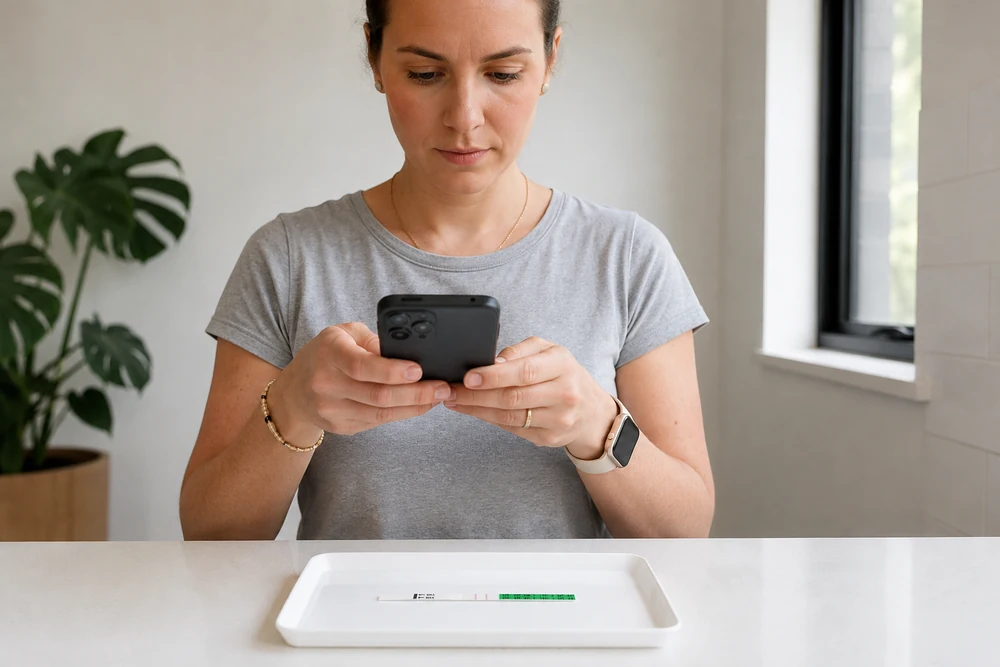
If repeated testing suits your routine, ovulation tests can be compared by strip or midstream format. Strips suit collected urine and repeated testing, while midstream tests suit direct use without a cup. Both detect urinary LH and neither confirms egg release.
Use one format consistently where practical and follow its collection, timing and reading instructions. Keep negative and near-positive results as well as positives, and do not compare dried strips as though they were fresh. A faint ovulation-test line remains negative unless it meets the device’s positive rule.
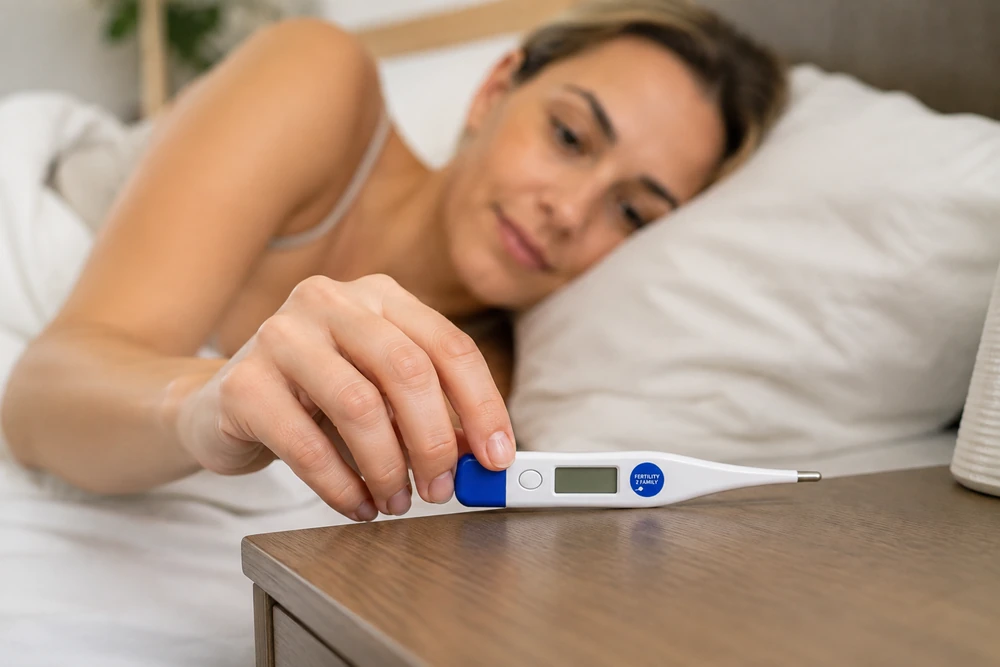
Clear, slippery or stretchy mucus can return if oestrogen rises again, but fertile cervical mucus without confirmed ovulation is possible. A sustained temperature rise adds retrospective context, while BBT charting cannot count eggs or identify the exact release hour.
What should you record across two or three cycles?
Record the cycle day, calendar date, fresh test result and testing time, then add mucus, bleeding and any sustained BBT shift. Note unusually high fluid intake, illness, disrupted sleep and fertility medicines because they can change the usefulness of the sequence. A compact two- or three-cycle record is usually more informative at a GP appointment than one photograph of the darkest strip.
Which LH peak should guide intercourse and pregnancy testing?
If you are trying to conceive, you do not need to identify one perfect peak before having sex. Australian guidance recommends intercourse about every 2 to 3 days in the week before and around ovulation. This covers a shifting fertile window without requiring one strip to provide an exact countdown.
A 2023 Cochrane review found that intercourse timed with urinary ovulation testing probably improves pregnancy and live-birth outcomes in selected couples, although important limitations remain. The practical focus when timing sex after an LH surge is fertile-window coverage rather than selecting the highest line.
For pregnancy testing, use the ovulation timing best supported by the whole pattern. If the first peak was not followed by a sustained BBT rise and fertile signs returned later, ovulation may have occurred later than first assumed. That can shift the expected period and the useful date in the Pregnancy Test Timing Calculator.
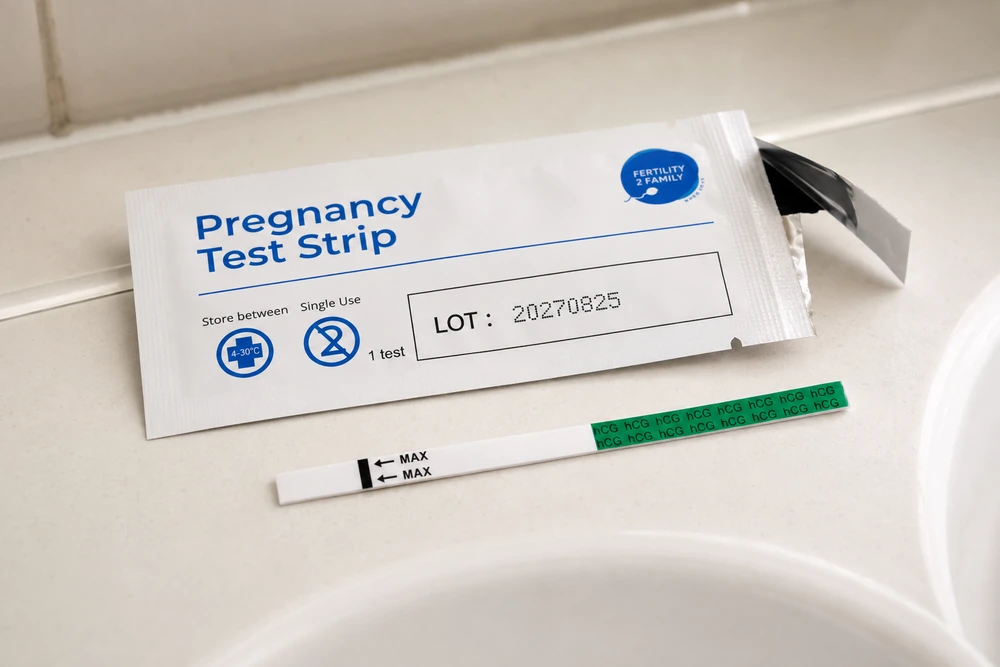
An OPK is not designed to diagnose pregnancy. If it becomes dark near the expected period, use an hCG pregnancy test at the recommended time. A late OPK can reflect several hormone and testing patterns, so its line darkness should not be treated as evidence of implantation.
How do PMOS, irregular cycles and fertility treatment change the pattern?
Polycystic ovarian syndrome was renamed polyendocrine metabolic ovarian syndrome, or PMOS, in 2026. Australian information is moving through a three-year transition, so both PMOS and PCOS remain visible while clinical resources are updated.
PMOS can involve irregular or absent ovulation, so a short testing window or calendar prediction may miss the relevant days. Multiple LH peaks do not diagnose PMOS. When cycles are irregular, ovulation tracking with PCOS or PMOS works best when LH results are read with cycle dates, mucus, temperature and the wider symptom pattern.
Ovulation-induction and ovarian-stimulation medicines can encourage more than one follicle to develop. Clinics use blood tests and ultrasound because home LH tests cannot count follicles or measure their size. If Ovidrel or another trigger shot is part of the cycle, follow the clinic’s timing for medicines, intercourse, insemination and pregnancy testing.
Do not change a fertility-medicine dose, skip a trigger or alter clinic instructions because an OPK appears unexpectedly dark or shows two peaks. Contact the treating clinic when the home pattern does not match the plan.
When should you see a GP or fertility specialist in Australia?
Book a GP appointment when repeated two-peak patterns occur with very irregular periods, no period for 3 months or more, 8 or fewer periods in a year, bleeding between periods, or home results that remain persistently difficult to interpret.
Bring a simple record from two or three cycles where practical, including period dates, fresh LH results, mucus, BBT, unusual bleeding and any fertility medicines. A GP may review the history and arrange blood tests, urine tests, pelvic ultrasound or referral when the pattern warrants it.
If you are trying to conceive, Healthdirect advises seeking medical advice after 12 months if you are 35 or younger, or after 6 months if you are 36 or older. Earlier review is reasonable with very irregular or absent periods, a known fertility concern or current treatment. The fertility specialist pathway in Australia can begin before those timeframes when there is a clinical reason.
Frequently Asked Questions about Ovulating Twice in One Month in Australia
Can you ovulate twice one week apart?
Separate ovulations a week apart in one natural cycle are not well supported. A later LH rise more often means ovulation was delayed, the surge pattern was variable, or the first rise did not identify egg release.
Can two eggs be released on different days?
More than one egg may be released during the same ovulatory episode, but home LH tests cannot establish whether this happened or time each release. Available evidence does not support separate natural-cycle ovulations many days or a week apart.
Do two LH surges mean twins?
No. Ovulation-test patterns cannot predict twins. Fraternal twins require two separate eggs to be fertilised and both pregnancies to continue; ultrasound, not home LH testing, establishes a multiple pregnancy.
Can PMOS cause multiple LH peaks?
PMOS can involve irregular or absent ovulation, which can make threshold-based home testing harder to interpret. Multiple LH peaks do not diagnose PMOS, and not everyone with PMOS has the same LH pattern.
Can you ovulate twice in a month and get pregnant?
Yes. Pregnancy is possible if intercourse occurs in the fertile window of either menstrual cycle, or if more than one egg is released during one ovulatory episode. Two LH peaks alone do not show which event occurred.
Can a second LH surge mean pregnancy?
An ovulation test is not designed to diagnose pregnancy. If an OPK becomes dark near the expected period, use an hCG pregnancy test at the recommended time and follow up with your GP or fertility clinic when results remain unclear.
Next Steps in Australia
Keep the full test sequence and record period dates, cervical mucus and any sustained temperature shift. When the first rise was not followed by evidence of ovulation, regard later fertile signs as potentially relevant and cover the fertile window rather than waiting for one perfect strip.
Use an hCG pregnancy test from the expected period. If two-peak patterns keep returning with irregular or absent periods, remain positive for many days, or occur during fertility treatment, take the record to your GP or fertility clinic.
Last reviewed: 5 September 2026
Next scheduled review: September 2027
References
Fertility2Family articles are researched using Australian Government health guidance, professional clinical recommendations and peer-reviewed medical literature. The references below were used to research and medically review this article and provide additional reading for readers who want to explore the evidence in more detail.
Pregnancy, Birth and Baby / Healthdirect Australia. Ovulation and fertility
Australian guidance on the fertile window, cervical mucus, basal temperature, urinary LH testing, the practical 24-to-36-hour estimate and when to seek fertility advice.
Healthdirect Australia. Fertility awareness (natural family planning)
Australian guidance on interpreting cervical mucus and basal temperature, including factors such as irregular periods, illness, vaginal infection, sleep and alcohol that can reduce reliability.
Healthdirect Australia. Irregular periods
Australian guidance on irregular or absent periods, record keeping, GP review thresholds and possible blood, urine, pelvic ultrasound or specialist assessment.
Healthdirect Australia. Planning for your pregnancy
Australian preconception guidance on intercourse frequency around ovulation, ovulation tracking, age-based fertility review timeframes and referral to a fertility specialist.
Jean Hailes for Women’s Health. Polycystic Ovary Syndrome (PCOS)
Current Australian information using PMOS terminology while retaining PCOS in the page title, including irregular or absent periods, fertility effects and medical assessment.
Royal Australian and New Zealand College of Obstetricians and Gynaecologists. RANZCOG Welcomes Polycystic Ovarian Syndrome (PCOS) Renaming to Polyendocrine Metabolic Ovarian Syndrome (PMOS)
RANZCOG statement confirming the 2026 change from PCOS to PMOS and the three-year transition ending with the 2028 international guideline update.
Better Health Channel. Twins – identical and fraternal
Victorian Government information explaining that fraternal twins arise when two separate eggs are fertilised by two separate sperm and develop as distinct pregnancies.
The Royal Women’s Hospital. Fertility testing
Australian hospital guidance on fertility blood tests and vaginal ultrasound, including how ultrasound can assess the ovaries and developing follicles beyond home LH testing.
The Royal Women’s Hospital. Fertility treatments
Australian hospital information on medicines that stimulate follicle development, ultrasound monitoring, ovulation triggers and the risk of multiple follicle development during fertility treatment.
Human Reproduction Update. The LH surge and ovulation re-visited: a systematic review and meta-analysis and implications for true natural cycle frozen thawed embryo transfer
A 2022 systematic review finding inconsistent LH-surge definitions and marked person-to-person variation in the interval between surge onset and ultrasound-observed ovulation.
Fertility and Sterility. Ovarian follicular waves during the menstrual cycle: physiologic insights into novel approaches for ovarian stimulation
A 2020 review describing two or three follicular waves, including major waves whose dominant follicles may regress or ovulate, separating follicle recruitment from egg release.
Fertility and Sterility. Relationships between the luteinizing hormone surge and other characteristics of the menstrual cycle in normally ovulating women
A study of 107 normally fertile women across 283 cycles finding that LH surges varied substantially in configuration, amplitude and duration, including patterns with several peaks.
Fertility and Sterility. Characteristics of the urinary luteinizing hormone surge in young ovulatory women
A study of urinary LH profiles in ovulatory women describing rapid and gradual onset and spike, biphasic and plateau surge configurations rather than one universal pattern.
Cochrane Database of Systematic Reviews. Timed intercourse for couples trying to conceive
A 2023 systematic review finding that urine-ovulation-test-guided intercourse probably improves pregnancy and live-birth outcomes in selected couples, while important evidence limitations remain.
Pregnancy, Birth and Baby / Healthdirect Australia. Pregnancy tests
Australian guidance on urine hCG testing, expected-period timing, early false negatives and why a pregnancy test, not an OPK, should be used when pregnancy is possible.