11 min read
Dec 4, 2025
Fertility Tea – Can you boost your fertility?

Written by
Fertility2Family Team

Medically reviewed by
Evan Kurzyp, RN (AHPRA), BSN, Master of Nursing
Fertility teas are easy to find in Australia, and many people try them while planning a pregnancy. These blends usually combine herbs such as chasteberry, red raspberry leaf, nettle, peppermint, ashwagandha, green tea, black cohosh, tribulus and lady’s mantle. Makers claim they can regulate cycles, support the luteal phase, or improve libido and uterine tone. History shows that herbs have long been used for menstrual pain, labour and cycle symptoms. Modern science is more cautious. Most published data studies single herbs or extracts, often as tablets or tinctures, not tea. Many findings are mixed, small, or based on animals. Some herbs can interact with medicines or affect early pregnancy. This guide explains what fertility teas are, what the research shows, safety points, how fertility is assessed in Australia, useful tests, at‑home steps and when to see a GP or specialist.
Quick Answers About Fertility Teas
Do fertility teas work to help you get pregnant
There is no strong clinical proof that fertility teas alone increase pregnancy rates. Some single herbs show promise in tablet or extract form, but results are mixed and dosing differs from tea. Teas should not replace medical care for fertility concerns.
Are fertility teas safe if you might be pregnant
Safety varies by herb and dose. Some herbs may not be safe in early pregnancy or with hormone-sensitive conditions. If you could be pregnant, avoid new herbal products until you speak with your GP, pharmacist or fertility specialist.
Can ovulation or pregnancy tests help while using fertility teas
Yes. Ovulation tests help time sex or insemination. Pregnancy tests confirm results early. These tools provide clear data, while the effects of teas are uncertain and may vary by product.
What Are Fertility Teas
Fertility teas are herbal infusions intended to support reproductive health. Typical ingredients include chasteberry Vitex agnus castus, ashwagandha Withania somnifera, black cohosh Actaea racemosa, peppermint Mentha piperita, red raspberry leaf Rubus idaeus, green tea Camellia sinensis, stinging nettle Urtica dioica, tribulus Tribulus terrestris and lady’s mantle Alchemilla mollis. When herbs steep in hot water, heat and time draw out plant compounds in gentle amounts compared with capsules or tinctures.
Traditional use of herbs for menstrual cramps, labour and recovery is well described in many cultures. Historical use alone does not prove benefit for conception. Modern guidance prioritises human clinical trials, clear dosing and safety data. Most tea blends are proprietary and untested in controlled studies. If you choose to use them, do so as part of a broader plan that includes evidence-based care.
What Does The Evidence Show About Common Tea Ingredients
Research usually examines single herbs in pill or extract form rather than tea. That matters because dose, extraction and bioavailability differ. Chasteberry has data suggesting cycle effects for some people with luteal phase issues. The quality of evidence varies and safety in early pregnancy is uncertain. It may not be suitable for those with hormone-sensitive conditions or for people undergoing IVF without specialist advice.
Black cohosh has been studied alongside clomiphene in some trials. Some findings suggest changes in hormone patterns or endometrial thickness in selected groups, yet other studies raise questions about bias and generalisability. Red raspberry leaf is rich in nutrients and often used in late pregnancy, but human fertility benefits are not confirmed. Animal work suggests effects on uterine muscle, yet no consistent human benefit is shown for preconception.
Nettle leaf contains minerals and has been used by herbalists for women’s health. Claims about its effect on androgens are not well supported by robust trials. Ashwagandha shows mixed results. Some human studies in men report changes in semen parameters, while animal findings at certain doses suggest the opposite. Data in women remain limited and pregnancy safety is unclear.
Green tea contains antioxidants that may counter oxidative stress, but very high polyphenol intake may have unwanted effects. Real benefits, if any, depend on dose and context. Tribulus has mostly animal data for sperm motility with little high-grade human evidence. Peppermint leaf does not have strong data for fertility. Spearmint in small studies has shown anti-androgen effects in women with PCOS, yet clinical usefulness remains uncertain. Lady’s mantle is used in traditional systems but published data linking it to fertility outcomes are sparse and it is not recommended during pregnancy.
When reading research, consider the study design. Randomised controlled trials in humans carry more weight than animal studies. Systematic reviews summarise many studies but can be limited by the quality of the included research. Observational studies show associations rather than cause. For most fertility teas, clear dosing, standardisation and consistent outcomes are lacking, so any benefit remains uncertain.

Safety, Interactions And Quality In Australia
Herbs can interact with prescription medicines, over the counter products and supplements. People using IVF, ovulation induction or thyroid, mood, seizure or blood pressure medicines should seek advice before adding herbs. Some herbs may not be suitable for those with hormone-sensitive conditions, liver disease or when breastfeeding. Many labels advise against use during pregnancy due to limited safety data.
Quality matters. Choose Australian suppliers that follow strong quality assurance and batch testing. Locally grown or well documented imported herbs processed under controlled conditions can reduce the risk of contamination or variable potency. Ethical sourcing supports sustainable farming and protects native resources. If you have allergies to pollens or plants in the mint, daisy or nettle families, check labels carefully. Stop any tea that triggers rashes, swelling, wheeze, severe nausea or dizziness and seek medical care.
How Fertility Is Assessed And What Tests Involve In Australia
If you have been trying for 12 months under 35, or 6 months if 35 or older, see your GP. Book sooner with irregular or absent periods, known endometriosis, pelvic pain, previous pelvic infection, recurrent miscarriage, or known male factor issues. Your GP will take a history, review cycle length and patterns, examine for signs of androgen excess or thyroid disease and consider screening tests.
Common first tests include blood tests for ovulation and general health. Progesterone in the mid luteal phase checks whether ovulation likely occurred. Other bloods may include FSH, LH, prolactin, thyroid function and iron and B12 where relevant. Rubella and varicella immunity and STI screening are often included in preconception care. A transvaginal ultrasound assesses the uterus and ovaries for fibroids, polyps or ovarian cysts and estimates antral follicle count.
Where indicated, a hycosy or hysterosalpingogram checks tubal patency. A semen analysis evaluates sperm count, motility and morphology and is essential in a complete assessment. Your GP may also discuss weight, nutrition, sleep, alcohol and smoking. If initial findings point to a specific cause, referral to a fertility specialist or gynaecologist may be arranged. In Australia, referral pathways and wait times vary by state and public or private settings.
Using Fertility Teas At Home: Preparation And Storage
The way you brew tea changes what ends up in the cup. Hot water releases compounds by diffusion. Temperature, time and herb condition govern extraction. For most blends, use freshly boiled water cooled slightly to around 90 to 95 degrees Celsius. Steep long enough to draw flavour and aroma without making the brew harsh. A longer steep produces a stronger infusion but may also extract bitter compounds. If a blend includes roots or barks, gentle simmering as a decoction may be suitable, following product directions.
Store dried herbs in airtight, opaque containers in a cool, dry cupboard. Keep away from heat, steam and sunlight. Many teas keep their best flavour for up to 12 months if stored well. Use the labelled serving size, often 2 to 4 grams per cup, unless a qualified practitioner advises otherwise. If you take prescription medicines, ask your pharmacist to check for interactions. In pregnancy, avoid new herbs unless your GP or specialist confirms safety for you.
When To See A GP Or Specialist In Australia
See your GP if you are under 35 and have tried for a baby for a year, or over 35 and have tried for six months. Seek care earlier if you have irregular cycles under 21 days or over 35 days, very painful periods, pain with sex, known endometriosis, pelvic inflammatory disease, prior ectopic pregnancy or miscarriage, or if your partner has known sperm concerns. Anyone with unexpected bleeding, severe pelvic pain, hot flushes under 40, nipple discharge, facial hair growth that is new or worsening or sudden weight changes should book a review. A specialist referral may be made to a fertility clinic or gynaecologist for tailored treatment options such as ovulation induction, intrauterine insemination or IVF, depending on findings and preferences.
Where Ovulation And Pregnancy Tests Fit Into The Picture
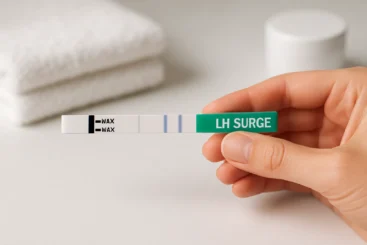
Ovulation prediction kits detect the luteinising hormone surge in urine. Used correctly, they help time sex or insemination in the fertile window. People with PCOS or very irregular cycles may find results harder to interpret. Tracking basal body temperature and cervical mucus can add context, though these require consistent daily habits. Home pregnancy tests detect hCG in urine from the day of a missed period for most brands. Early testing may be negative even if pregnant. These tools offer objective data that teas cannot provide. If a test result is unclear or does not match symptoms, repeat in 48 hours or ask your GP for a blood test. Keep in mind that no test replaces a full assessment when conception takes longer than expected.

Frequently Asked Questions About Fertility Teas Australia
Can I drink fertility tea while taking IVF medications
Do not start new herbs during IVF without specialist advice. Some herbs may alter hormones or interact with medicines and could affect your protocol.
Is green tea safe when trying to conceive
Moderate green tea is usually fine for most people, noting its caffeine content. Very high intakes of concentrates are not advised when trying to conceive.
Do teas regulate periods if I have PCOS
Teas alone are unlikely to regulate cycles in PCOS. Speak with your GP about lifestyle measures, metformin or ovulation induction if you wish to conceive.
Are “uterine tonics” safe in early pregnancy
Safety is uncertain for many herbs in early pregnancy. Avoid them unless your GP or obstetrician confirms they are suitable for you.
How long should I try a tea before knowing if it helps
If you choose to try a tea, reassess after two to three cycles. If periods are irregular or conception takes longer, book a GP review.
Can men use fertility teas
Some blends target male fertility, yet evidence is limited. A semen analysis, lifestyle changes and medical review offer clearer steps for men.
Next Steps If You Are Trying To Conceive In Australia
If you plan a pregnancy in the next year, book a preconception check with your GP. This visit covers folic acid and iodine, vaccinations, STI screening, rubella and varicella immunity, and review of medicines and supplements. Ask about healthy weight, nutrition, exercise, sleep, alcohol and smoking. If you already use herbal products, bring the labels so your GP or pharmacist can check for interactions and pregnancy safety. Track your cycles and consider home ovulation tests if timing is unclear. If you are under 35 and have been trying for a year or are 35 or older and have been trying for six months, ask about tests for you and your partner. Choose Australian suppliers for any tea or supplement and follow storage and label advice. Use teas as an optional extra, not a replacement for medical care. If results are slow or you feel unsure, seeking help early can save time and stress.
References
https://www.healthdirect.gov.au/trying-for-a-baby
https://www.healthdirect.gov.au/infertility-in-women
https://www.healthdirect.gov.au/infertility-in-men
https://www.healthdirect.gov.au/ovulation
https://www.healthdirect.gov.au/pregnancy-tests
https://www.jeanhailes.org.au/health-a-z/fertility
https://www.betterhealth.vic.gov.au/health/HealthyLiving/conception
https://www.health.qld.gov.au/news-events/news/fertility-conception-pregnancy-trying