Skip to product guides

Official Fertility2Family product guides

Product Instructions

Find official Fertility2Family instructions for ovulation tests, pregnancy tests, basal body thermometers, fertility kits and Conceive Plus. Read online or download a PDF, and get help with timing, result reading, faint lines and common testing questions.

This page brings together Fertility2Family product instructions and supporting fertility articles from our team, medically reviewed by our registered nurse.

Use the guide for your exact product and follow the stated reading time and steps for that test.

Product guides and PDFs

Choose your product instructions

Read the instructions online or download a PDF for your product.

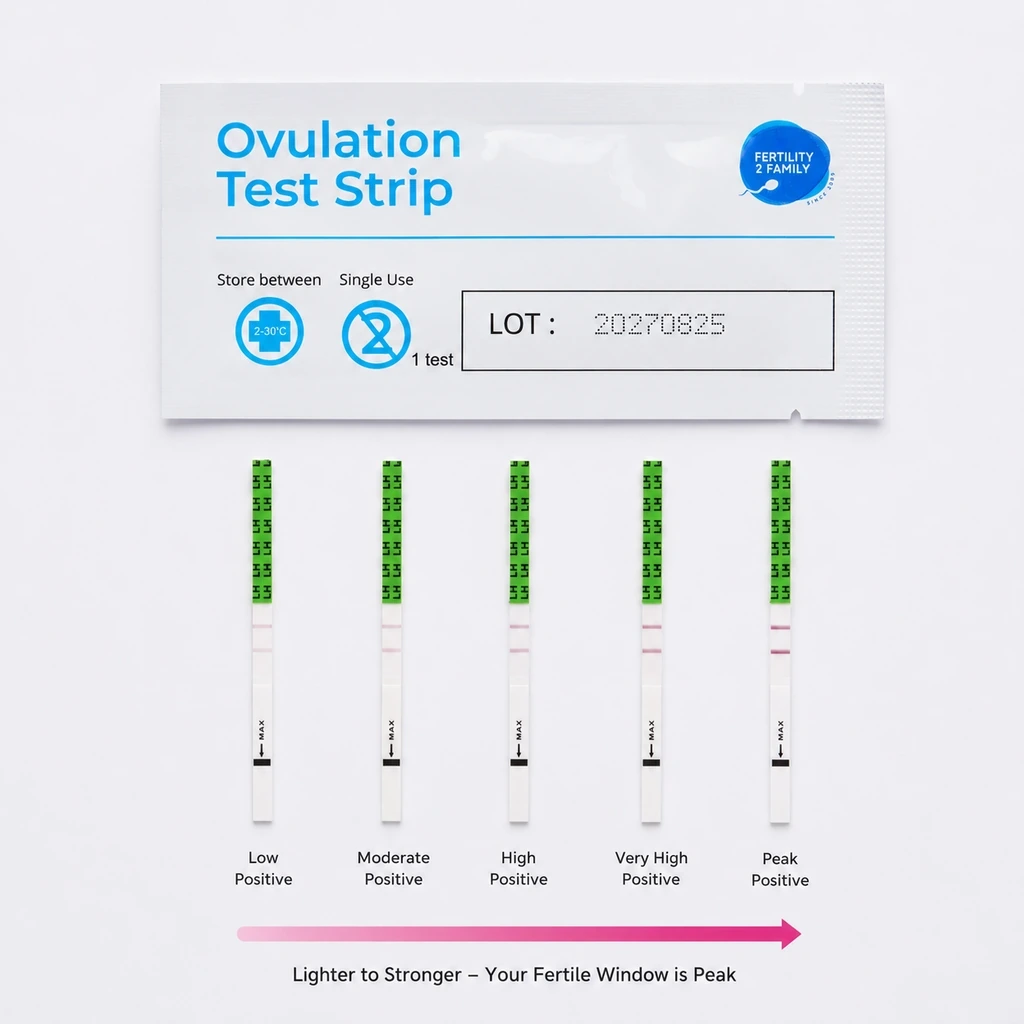
Fertility2Family ovulation test strip line progression

Ovulation Test Strip Instructions

Track your LH surge with ovulation test strips and compare the test and control lines within the stated reading window.

  • Best for: frequent daily ovulation tracking
  • Format: strip test
  • Guide covers: timing, dipping steps and line reading.
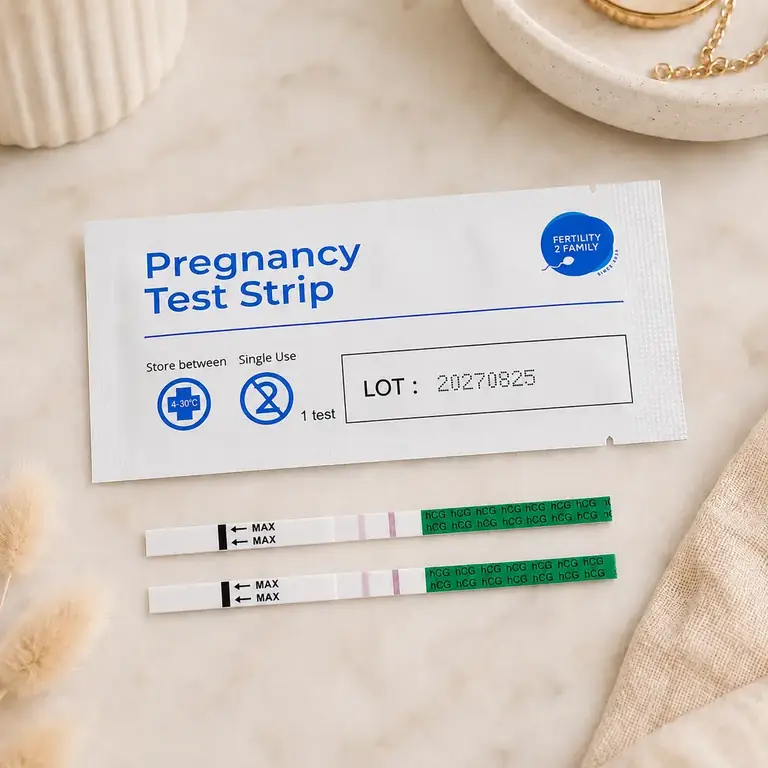
Fertility2Family pregnancy test strips Australia

Pregnancy Test Strip Instructions

Use pregnancy test strips to check your result and know when to repeat testing if the line is faint or unclear.

  • Best for: home pregnancy testing
  • Format: strip test
  • Guide covers: timing, sample use and faint lines.
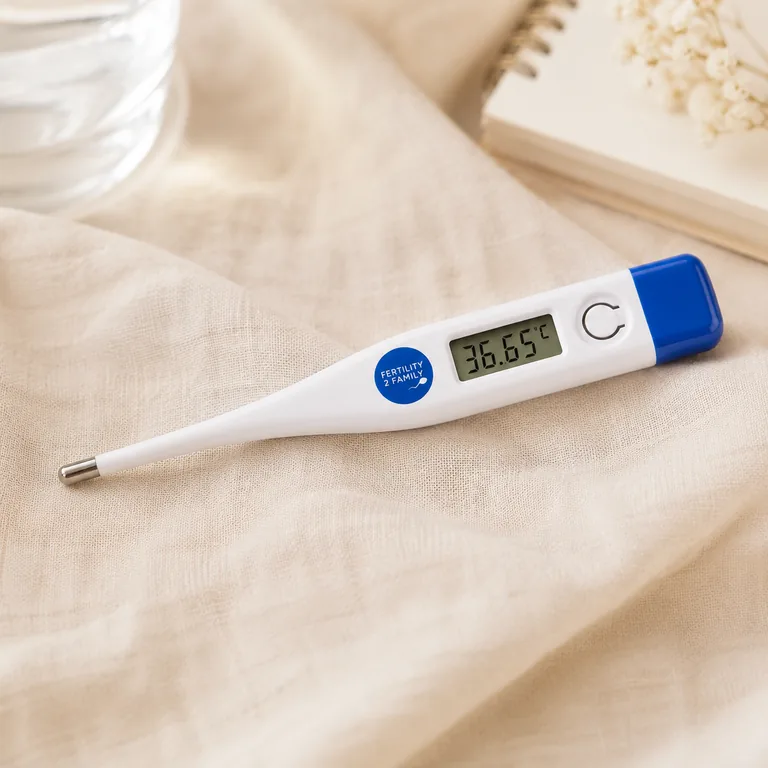
Basal body thermometer beside a bed for private cycle tracking at home in Australia

Basal Body Thermometer Instructions

Track small temperature changes across your cycle with a basal body thermometer and support ovulation charting over time.

  • Best for: daily cycle tracking
  • Format: identifying ovulation patterns.
  • Guide covers: temperature timing, charting and care.
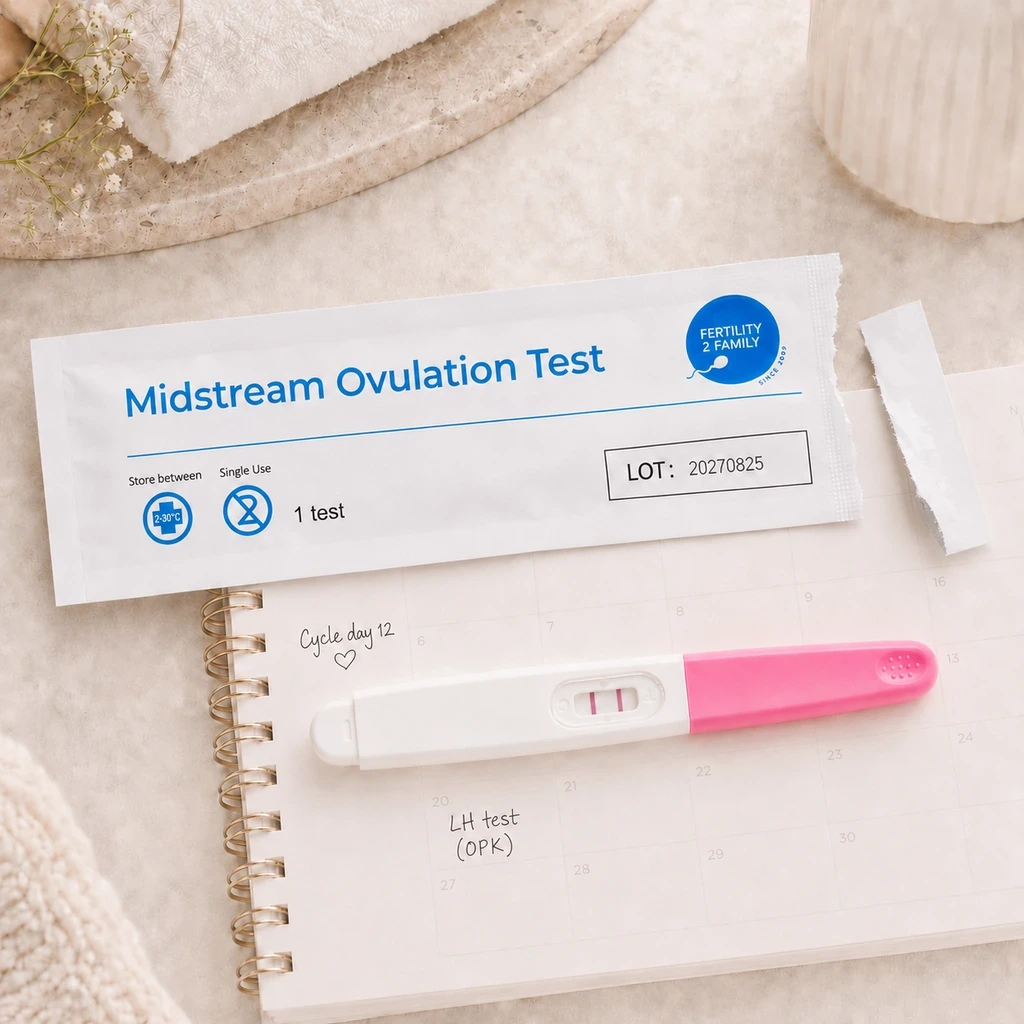
Fertility2Family midstream ovulation test for cycle tracking

Midstream Ovulation Test Instructions

Use midstream ovulation tests to identify your LH surge, read the result within the stated window, and test with confidence at home or on the go.

  • Best for: simple ovulation tracking
  • Format: midstream test
  • Guide covers: hold time, test timing and line reading.
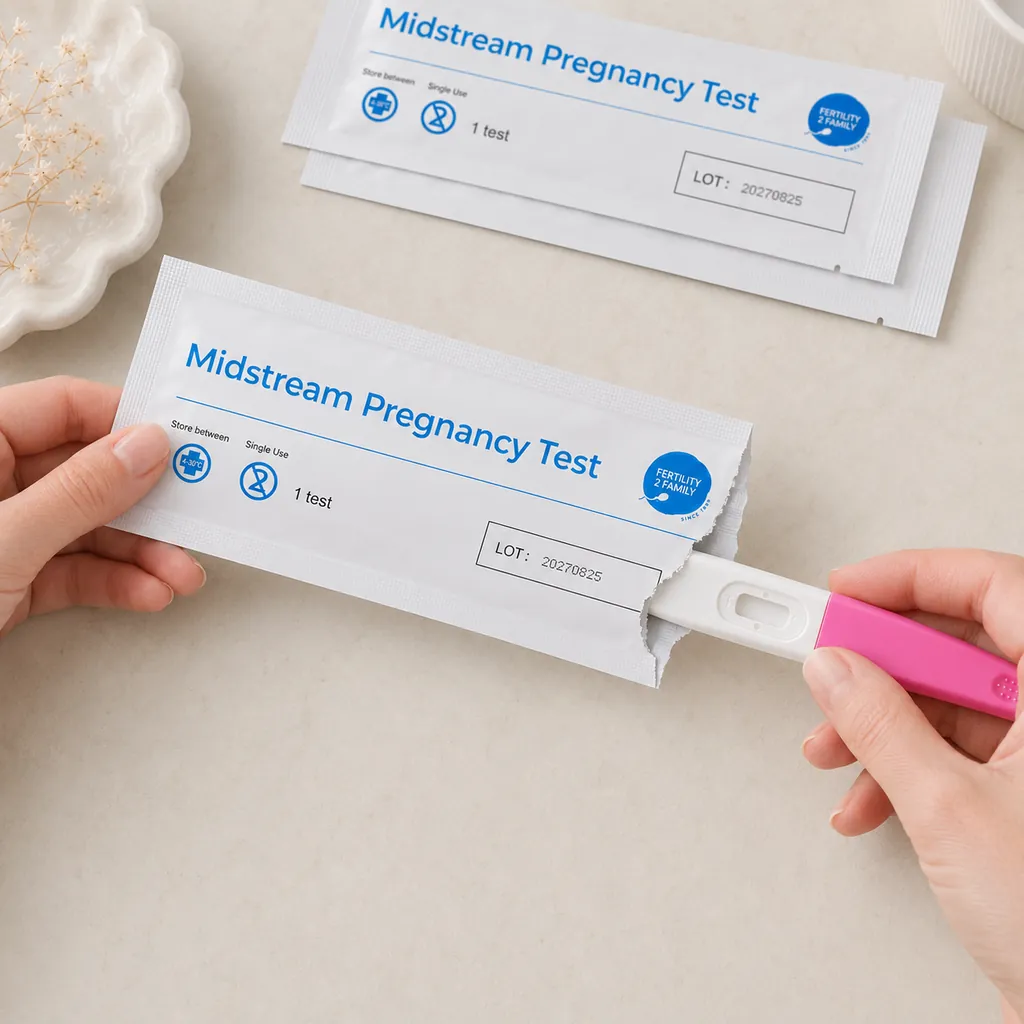
Fertility2Family midstream pregnancy test Australia how-to-use image

Midstream Pregnancy Test Instructions

Use midstream pregnancy tests to check your result within the stated reading window and know when to retest if the line is faint or unclear.

  • Best for: home pregnancy testing
  • Format: midstream test
  • Guide covers: hold time, result timing and faint lines.
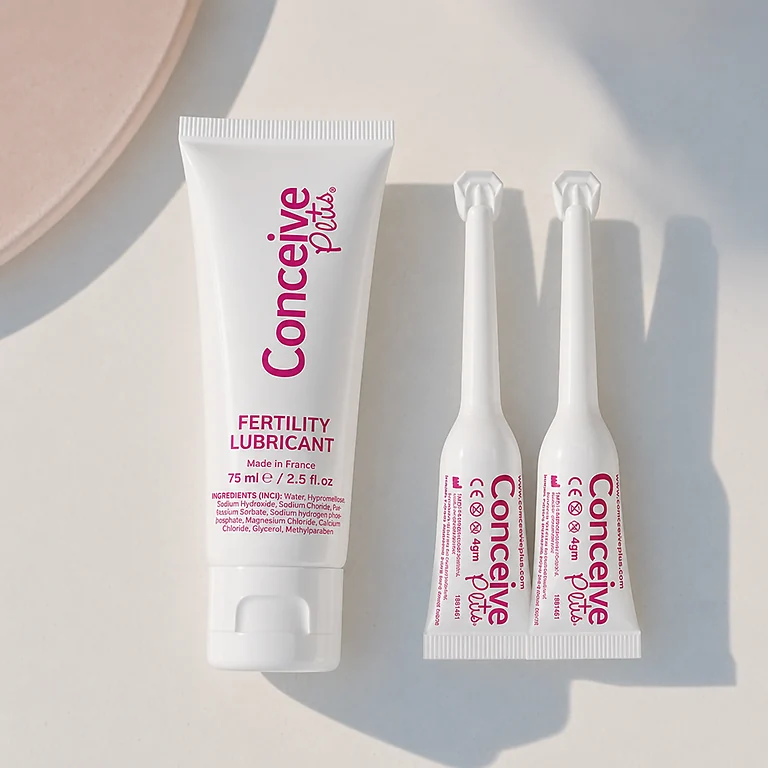
Conceive Plus 75 mL fertility lubricant tube and pre-filled applicators shown together

How to Use Conceive Plus Fertility Lubricant

Learn when to apply Conceive Plus Fertility Lubricant and how it fits into your trying-to-conceive routine.

  • Best for: fertility-friendly lubrication
  • Helps with: lubrication while trying to conceive.
  • Guide covers: application, timing and use steps.

Line reading support

Test Results & Troubleshooting

Fast answers to common questions about ovulation tests, pregnancy tests, faint lines and reading results correctly.

Visual guide to reading test results

Compare your test with the examples below, then check what the result means and what to do next.

Result Example What it means

Positive ovulation test

Both lines are present. The test line is as dark as or darker than the control line.

T line as dark as or darker than C line

LH surge detected. Ovulation is likely within the next 24 to 48 hours.

Positive pregnancy test

The control line is dark, and a second coloured line is visible in the test area, whether faint or darker.

Faint or darker pink line

Pregnancy hormone is likely present. If the second coloured line appears within the stated reading time, treat the result as positive. If you tested early or are unsure, test again in 48 hours.

Invalid test

The control line is missing. The result is invalid.

No control line

An invalid test can happen if the test is dipped past the MAX line or not held in urine for long enough. Retest with a new test.

Negative result or evaporation line

The control line is dark. A thin grey or colourless mark appears only after the reading window has passed.

Late grey or colourless line

Negative result. Ignore any line that appears after the stated reading time. On pink-dye tests, a valid positive line should have colour. If you tested early or are unsure, test again in 48 hours.

Read results only within the stated reading time. T = test line. C = control line. MAX = maximum dip line.

Still not sure?

Use the information below if your result still does not make sense or your timing is hard to work out.

Negative ovulation tests all month

You may have started testing too late in the cycle or based your timing on a longer cycle than usual. Next cycle, start from your shorter recent cycle pattern so you are less likely to miss an earlier surge.

Common testing mistakes

Common mistakes include reading the result too late, using very diluted urine, dipping past the MAX line, or missing the timing steps for your test. For midstream tests, follow the hold time exactly.

When to retest a pregnancy test

If the result is negative but your period is late or the result is unclear, test again in 48 hours using the instructions for your product.

If you do not see a clear LH surge

Some LH surges are brief and easy to miss. If your line changes quickly or never becomes clearly positive, consider testing twice daily near your expected fertile window, and look at the full pattern across the cycle rather than relying on a single test.

When to speak with your GP

If your cycles are very irregular, you do not see a clear surge over more than one cycle, or your results remain confusing, speak with your GP in Australia.

Can diluted urine affect the result?

Yes. Drinking a lot of fluid before testing can make the result harder to read, especially if the line is faint. Follow the instructions for your product and avoid over-hydrating before the test.

Ovulation calculator

When to Start Testing

Use the calculator below to estimate when to begin ovulation testing based on the first day of your last period and your average cycle length. Estimates only. Ovulation can vary from cycle to cycle.

Ovulation Calculator

Estimate your fertile window and plan when to start ovulation testing. Enter the first day of your last period and your usual cycle length, then add LH, BBT or cervical mucus details if you want a closer estimate.

Add more cycle details

Optional details may help narrow your estimate. They cannot confirm ovulation on their own.

This calculator provides a date estimate only and cannot confirm ovulation.

Timing Questions

If your cycles vary month to month

Start based on your shorter recent cycles so you are less likely to miss an earlier LH surge. If your cycle length changes a lot, use the estimate as a guide rather than a fixed rule.

Best time of day to take an ovulation test

Try to test at a similar time each day. Late afternoon or early evening often works well. Avoid excess fluids beforehand to make the result easier to read.

If you do not see a clear surge

Start earlier next cycle and consider testing twice daily around your expected fertile window. If results stay confusing over more than one cycle, speak with your GP in Australia.

Timing context

Special situations that can affect test timing

These situations can make ovulation and pregnancy testing harder to time or interpret. Use the information below as a starting point, then follow your product instructions.

PCOS

PCOS can cause irregular periods and less predictable ovulation, which can make test timing and LH patterns harder to interpret. If you see more than one rise or no clear peak, look at the full-cycle pattern rather than a single test.

Irregular cycles

If your cycle length changes from month to month, base your timing on your shorter recent cycles and use date estimates as a guide rather than a fixed rule.

After stopping the pill

After stopping the pill or other hormonal contraception, it can take time for your cycle to settle. Start earlier rather than later and treat the first few cycles as a guide, not a fixed pattern.

Night shifts

If you work night shifts, test at the same point in your routine each day rather than by the clock alone. For many people, that means testing after their longest sleep and avoiding excess fluids beforehand.

Using fertility treatment

If you are using fertility treatment, follow your clinic's advice first. Some treatments can change when ovulation happens or how home test results should be interpreted.

Breastfeeding or after pregnancy

After pregnancy, especially if you are breastfeeding, your cycle and ovulation timing can be harder to predict. Start earlier rather than later and use date estimates as a guide, not a fixed rule.

Testing questions

Common questions about ovulation and pregnancy testing

These answers cover common questions about test timing, result accuracy and what to do next if your results are unclear.

When should I start ovulation testing if my cycles change each month?

Start from your shorter recent cycles so you are less likely to miss an earlier LH surge. If your cycle length changes a lot, use the calculator and your recent cycle pattern as a guide rather than a fixed rule.

Do I need first-morning urine for ovulation tests?

Not usually. Many people find ovulation tests easier to use later in the day. Try to test at a similar time each day and avoid excess fluids beforehand.

How soon can I take a pregnancy test?

You can test from the day your period is due. If you test earlier, the result may be faint or negative even if pregnancy has started. If you are unsure, test again in 48 hours.

Are strip tests as accurate as midstream tests?

Both can be accurate when used correctly. The main differences are format, convenience and how easy the result is to handle and read.

Can I ovulate without getting a positive ovulation test?

Yes. You may miss a short LH surge, start testing too late, or have timing that is harder to detect with home tests alone. If this keeps happening, look at your full cycle pattern rather than a single result.

What should I do if my results stay confusing?

Go back to the instructions for your exact product, check your timing, and repeat the test if needed. If your results stay confusing over more than one cycle, speak with your GP in Australia.

Need more help?

If your result still does not make sense, go back to the relevant product guide above, then read the articles below for more detail on faint lines, negative results, fertile timing and evaporation lines.

If your result does not match the instructions, the test was read outside the stated window, or your cycle is hard to track, check the relevant guide again first. If you still need help, contact us by email.

If your cycles are very irregular, your results remain confusing across more than one cycle, or you have been trying to conceive for a while without success, speak with your GP in Australia.

Further reading

Australia-focused fertility articles written by our team and medically reviewed by our registered nurse. Read more about timing, line reading, faint results and common testing questions.

Ovulation test results

What does a faint line on an ovulation test mean?

Ovulation testing

8 potential causes of a negative ovulation test

Cycle timing

Fertile window: how long does ovulation last?

Pregnancy test results

Evaporation lines on pregnancy tests: Am I pregnant?