Pregnancy tests in Australia are easy to find, simple to use, and usually affordable. Most people start with an at home urine test, which looks for human chorionic gonadotropin, also called hCG, the hormone made after an embryo implants. These tests can be bought at chemists, supermarkets, big retailers, and online. Prices vary by brand, format, sensitivity, and where you buy them, but the basic technology is similar. If you prefer a clinical path, your GP can organise a urine test or a blood test. Blood tests detect lower hormone levels and report an exact number, which can help in early or complex situations. This guide explains what drives cost, how different tests work, how to read results, when to repeat testing, and when to book a GP visit in Australia. It also covers practical ways to manage timing, budget, and next steps with local care.
Quick Answers About Pregnancy Test Costs in Australia
How much do home pregnancy tests cost in Australia
Single tests often cost a few dollars to around twenty dollars, depending on brand, sensitivity, and format. Multi packs usually lower the per test price. Online stores may offer better value, especially for bulk orders, though shipping can add to the total.
When is the best time to take a urine pregnancy test
Test from the day your period is late for the best chance of a clear result. If testing early, use first morning urine. A negative result can change to positive within two to three days as hCG rises, so repeat if your period has not started.
What is the difference between urine and blood tests
Urine tests show positive or negative once hCG reaches the detection level. Blood tests detect lower amounts and can report an exact number. Your GP may order blood tests to confirm very early pregnancy or to track change over time.
What pregnancy tests are and how they work
Pregnancy tests measure human chorionic gonadotropin, known as hCG. This hormone is produced after implantation and rises during early pregnancy. At home urine tests use antibodies to bind to hCG and display a visual change. Most over the counter tests in Australia register at about 20 to 25 mIU per mL. Some early results products can detect about 10 mIU per mL, which may allow an earlier positive. Blood tests fall into two types. A qualitative test reports positive or negative. A quantitative test reports an exact hCG value, which can be repeated to observe change. hCG often rises every two to three days in early pregnancy, though the rate varies. You can read more about hCG on the National Library of Medicine resource for human chorionic gonadotropin and the Australian summary of hCG levels.
Home tests are widely used across Australia. Many doctors accept a positive at home test and do not repeat a urine test unless the timeline is unclear or further assessment is needed. A blood test is more common when there is a history of ectopic pregnancy, persistent pain, unusual bleeding, fertility treatment using hCG triggers, or if the initial result is uncertain. Research supports the accuracy of home urine tests when used as directed, which you can read about in this PLOS ONE review.
What affects the price of pregnancy tests in Australia
Price varies by retail channel, brand, sensitivity, and format. Simple strip or cassette tests are usually the lowest cost. Midstream tests package the device for ease of use and can be priced higher. Digital tests include a small battery and display that shows a word result, which can cost more, although the core detection uses the same chemistry as traditional devices. Multi packs usually reduce the price per test and help when you want to test again after a day or two. Supermarkets often stock mainstream brands, while chemists carry wider ranges and advice at the counter. Buying online can be cost effective if you compare unit prices and consider delivery times and postage fees.
Check the expiry date before purchase. Sensitivity and performance are tied to storage and shelf life, so store kits in a cool, dry place away from direct heat. If you choose bulk packs, buy a quantity you will use within the printed expiry period. Variation in price does not always reflect better performance. Read the instructions, check the detection threshold in mIU per mL, and consider when you plan to test. If you are likely to test before your period is due, a more sensitive option may suit you. If you plan to wait until your period is late, a standard sensitivity device is usually enough.
What the tests involve and how to read them
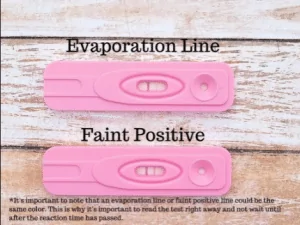
Urine tests usually involve placing the absorbent tip in urine for the time stated, then laying the device flat. Most devices show a control line that confirms the test worked and a second line or a symbol that indicates a positive. Digital devices display words such as pregnant or not pregnant. Read the window only within the time range in the instructions. Reading too late can lead to confusion from drying marks, often called evaporation lines. If you see a faint second line within the time window, treat it as positive. A faint line usually reflects a lower hCG level in early pregnancy.
If the test is negative but your period has not started, repeat after two to three days. Use first morning urine for the highest concentration. Limit fluid intake before testing later in the day so the urine is not diluted. Medicines that contain hCG for fertility treatment can cause a false positive if you test too soon after an injection. Most other common medicines do not affect a urine pregnancy test. Conditions such as polycystic ovary syndrome can make cycle timing less predictable, which can shift when a test turns positive. If you are unsure about timing, retest across several days or ask a GP for a blood test if you need an earlier answer.
Clinical diagnosis and follow up care in Australia
In a clinic, a urine test will usually be similar to a home device and offers a quick answer. When a precise figure is needed, a blood test can detect lower levels and report an exact hCG value. A second blood test after two to three days can show whether hCG is rising as expected. Your GP will interpret the result in the context of your dates and symptoms. A single number cannot confirm pregnancy location, so ongoing pain or heavy bleeding needs review even if hCG is rising.
Cost at a clinic depends on the consultation fee and whether the pathology provider bulk bills. Many pathology services bulk bill Medicare funded tests if your GP provides a request. The consult may still attract an out of pocket fee depending on the practice. Ask the clinic about fees when you book. If you hold a concession card or are a student, some practices offer lower fees. If cost is a concern, ask your GP about bulk billed options for blood tests or local services that provide free pregnancy testing and counselling. State family planning services and community health centres can advise on low cost pathways that meet clinical standards.
You can read general information about blood tests during pregnancy from an Australian authority at this page and about maternal serum screening on the Victorian Better Health Channel. These resources explain why a GP might order a test and what the numbers mean across early weeks.
Home management, timing, and next steps after a result
For the clearest at home result, wait until your period is due or overdue. If you test before then, choose a sensitive test and use first morning urine. Follow the instructions on timing and read the window within the stated minutes. If the result is unclear, repeat after two to three days. Small changes in timing can shift a result from negative to positive, as hCG rises with each day.
After a positive test, book a GP appointment. Your GP can confirm the pregnancy timeline, discuss folic acid and iodine supplements, review any regular medicines, and plan early screening. If your dates are uncertain, your GP may suggest a dating ultrasound around six to eight weeks based on last period. If you have pain on one side, shoulder tip pain, fainting, or heavy bleeding, seek urgent care or attend an Early Pregnancy Assessment Service in your area. If the test is negative and your period has not arrived after a week, test again or see your GP to check cycle issues, pregnancy timing, or other causes of a missed period.

When to see a GP or specialist in Australia
Book a GP visit if you have had a positive result, if you have confusing test results across several days, or if you need earlier confirmation for medical reasons. Go to urgent care if you have severe lower abdominal pain, shoulder tip pain, dizziness, or heavy bleeding. These symptoms need prompt review because they can be signs of ectopic pregnancy. If you have had repeated early losses, a history of ectopic pregnancy, or you are using fertility treatment, ask your GP for a plan that includes earlier blood tests and early ultrasound.
If you have been trying to conceive for twelve months and are under 35, or for six months if 35 or older, ask your GP for a fertility referral. A fertility specialist may arrange tests to check ovulation, sperm, and fallopian tubes. If you have irregular cycles, known endometriosis, previous pelvic surgery, or other risk factors, do not wait the full timeframe before seeking advice. Early assessment supports timely care tailored to your situation.
Where ovulation and pregnancy tests fit in your planning
Pregnancy tests confirm pregnancy by detecting hCG. Ovulation tests serve a different purpose. They detect luteinising hormone, or LH, which rises before ovulation. Using ovulation tests can help you time intercourse in the fertile window. This may reduce the number of cycles it takes to conceive. An LH surge suggests ovulation is likely, although it does not prove ovulation happened, and some people have short surges. If you track LH along with cycle signs like cervical mucus or basal temperature, you may gain a clearer picture of timing.
For pregnancy testing, consider sensitivity, timing, and your need for certainty. Early detection devices can pick up lower hCG levels, but the most reliable time to test is from the day your period is due. If you prefer to test early, plan to repeat testing after two to three days. Some brands include digital displays for easier reading. Others focus on sensitivity for earlier answers. The underlying accuracy is high when used correctly. You can find a range of at home options online, including devices that detect lower hCG thresholds. Choose based on your timing and how you prefer to read the result.
Frequently Asked Questions About Pregnancy Tests Australia
Can I get a free pregnancy test in Australia
Some community health centres, state family planning services, and youth health clinics offer free or low cost urine testing. Ask your GP about bulk billed pathology for blood tests. Availability varies by state and provider, so call ahead to confirm.
Are digital tests more accurate than traditional line tests
Both use similar chemistry to detect hCG. Digital devices are easier to read, which can prevent errors from misreading faint lines. Accuracy depends on timing, sensitivity, and following the instructions rather than on the display style.
Do I need to use first morning urine
First morning urine usually contains the highest hCG concentration. This is helpful if you test early or if your fluid intake is high. If you test later in the day, try not to drink large volumes beforehand, and wait a few hours between voids.
How early can a blood test detect pregnancy
A blood test can detect very low hCG, sometimes before a missed period. Your GP may order a repeat blood test after two to three days to see if the value is rising. Early numbers vary widely and a single value does not date the pregnancy.
What if I keep getting faint lines
A faint line within the time window is usually a positive. Repeat the test after two to three days to see if the line darkens as hCG rises. If results remain faint or inconsistent, ask your GP for a blood test and advice on next steps.
Can medicines or health conditions affect results
hCG trigger injections for fertility treatment can cause a temporary false positive. Most common medicines do not affect urine tests. Irregular cycles can shift the day a test becomes positive. If in doubt, retest after two to three days or see your GP.
Next steps and how to plan your care in Australia
If you think you are pregnant, start with the timing that suits your cycle and your need for certainty. Testing on or after the day your period is due gives the clearest at home answer. If you prefer to test early, use a sensitive device, read the window only within the stated time, and plan to retest after two to three days. A positive test is a cue to book a GP visit. Your GP will confirm your timeline, discuss supplements like folic acid and iodine, review medicines, and set up early screening. If cost matters, ask about bulk billed pathology, community services, or options in your area that provide free pregnancy tests and counselling. If you want testing supplies at home, you can compare brands, sensitivities, and formats in stores and online. Choose what fits your timing and budget, then follow through with local medical care that suits your needs.
References
https://www.healthdirect.gov.au/pregnancy-tests
https://www.pregnancybirthbaby.org.au/hcg-levels
https://www.pregnancybirthbaby.org.au/blood-tests-during-pregnancy
https://www.jeanhailes.org.au/health-a-z/pregnancy
https://www.health.nsw.gov.au/kidsfamilies/pregnancy/Pages/antenatal-care.aspx
https://www.qld.gov.au/health/staying-healthy/sexual-health/pregnancy/confirming-pregnancy
https://www.health.gov.au/topics/pregnancy

Evan Kurzyp
Evan is the founder of Fertility2Family and is passionate about fertility education & providing affordable products to help people in their fertility journey. Evan is a qualified Registered Nurse and has expertise in guiding & managing patients through their fertility journeys.