11 min read
May 2, 2026
How Soon After Sex Can Pregnancy Symptoms Start?

Written by
Fertility2Family Team

Medically reviewed by
Evan Kurzyp, RN (AHPRA), BSN, Master of Nursing
Many people notice new sensations after sex and wonder if pregnancy has started. The body needs time before true pregnancy signs can appear. Fertilisation may happen within a day of ovulation, but implantation usually occurs 6 to 12 days later. Only after implantation do embryo cells release human chorionic gonadotropin, the hormone that pregnancy tests detect. In the early days after sex, symptoms are more likely to relate to your normal cycle, stress, a mild illness, or expectation. This guide explains what happens in the first weeks after conception, how soon pregnancy symptoms usually start, how to tell the difference from PMS, the best time to test, and when to see a GP in Australia. It also covers practical steps during the two week wait and what to do if pregnancy is not planned.
Quick Answers About Early Pregnancy Symptoms After Sex
How soon after sex do pregnancy symptoms start
There are no reliable physical symptoms immediately after sex. Implantation usually happens about 6 to 12 days after fertilisation. Hormones rise after implantation. Nausea and other symptoms most often appear weeks after conception, often around or after a missed period. Read more about pregnancy-related nausea and general nausea.
When should I take a home pregnancy test
Test after a missed period for the most accurate result. Use first morning urine. If the result is negative but your period does not arrive, test again in 48 to 72 hours or ask your GP about a blood test.
Does light spotting after sex mean I conceived
Not necessarily. Light spotting can be due to intercourse, mid-cycle changes, cervical irritation, infection, or implantation. Implantation bleeding tends to be light and brief near the time your period is due. Heavy bleeding or pain needs medical care.
What Happens In The First Weeks After Conception
After conception, the fertilised egg travels to the uterus. Implantation follows about 6 to 12 days later. Cells around the embryo start making human chorionic gonadotropin, often called hCG. In early pregnancy, hCG levels rise quickly and often increase every 48 to 72 hours. This rise keeps the corpus luteum active so it continues to make progesterone, which supports the uterine lining.
Progesterone and hCG drive many early changes. Higher progesterone can cause breast tenderness, bloating, and tiredness. Changing hormone levels can affect the gut and the brain centres involved in nausea. Some people notice changes in taste and smell, mild cramping, or mood shifts. These symptoms vary widely and can overlap with normal premenstrual changes.
Australian health services advise patience with testing because urine tests need enough hCG to be present. Blood tests can detect lower levels earlier than home urine tests, but even blood tests are most useful after implantation has occurred. To read about how hormones act across the body, see this explanation of pregnancy hormones from the University of New South Wales https://newsroom.unsw.edu.au/news/health/chemical-messengers-how-pregnancy-hormones-affect-body.
Do you feel different as soon as you conceive

How Soon Do Symptoms Usually Appear In Australia
A large study found most people recognise pregnancy by about week six after their last menstrual period. This aligns with hormone patterns. Because implantation happens in the second week after conception, hCG takes time to reach levels that affect the body. Nausea and vomiting, often called morning sickness, usually start around the early weeks after a missed period. Read about pregnancy-related nausea and general nausea.
Some people feel different during the two week wait, the time between ovulation and the day a period is due. You may notice tender breasts, twinges, fatigue, bloating, or a shift in appetite. These changes are common in the luteal phase and are not proof of pregnancy. Feeling unwell straight after sex is very unlikely to be a pregnancy sign because there is not enough time for implantation or pregnancy hormones to affect the body.
PMS Or Early Pregnancy: How To Tell
Premenstrual symptoms and early pregnancy signs share many features. Both can cause breast tenderness, bloating, mood changes, mild cramps, and fatigue. The pattern and timing can help. PMS tends to follow a predictable monthly rhythm and eases when a period begins. Early pregnancy changes often build over days rather than hours and persist beyond the expected period date.
Light spotting near the time a period is due may be implantation bleeding. It is usually pink or brown and short lived. Bleeding that is heavy or lasts as long as a normal period is less likely to be implantation. If you are unsure or concerned, read about bleeding in early pregnancy from Better Health and speak with a GP. The Victorian guidance on pregnancy bleeding problems is here https://www.betterhealth.vic.gov.au/health/healthyliving/pregnancy-bleeding-problems.
Tracking your cycle can also help. If you know when you usually ovulate and how long your luteal phase lasts, you can judge whether symptoms are on schedule or different this month. People who track regularly often find it easier to spot a delay or change that suggests testing is worthwhile.
Pregnancy Testing And Fertility Tools In Australia
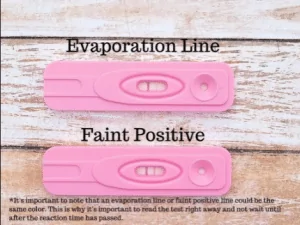
Home urine tests check for hCG in urine. Sensitivity varies by brand. For the best chance of a clear result, test on or after the day your period is due and use first morning urine. Testing early increases the chance of a false negative because the hormone has not reached the test threshold. If you get a negative result but your period does not start, repeat the test after two to three days. A GP ordered blood test can detect lower hCG levels earlier than urine tests and can track hCG over time.
Basal body temperature, often called BBT, is a tool for timing, not diagnosis. A basal body temperature chart helps you confirm when ovulation likely occurred by showing a small but sustained rise after ovulation. A suitable thermometer can help you get consistent readings if you wish to chart your cycle. See options for a basal body temperature thermometer. If you know your ovulation date, you can time a pregnancy test about 14 days later with more confidence.
Ovulation tests can help identify the luteinising hormone surge before ovulation. This helps you time sex before the egg is released, which is when pregnancy is most likely. If you want both ovulation and pregnancy tests in one order, a fertility kit may be useful for regular cycle tracking.
Some people notice nausea or food aversion early in pregnancy. You can read about morning sickness and general strategies for dealing with morning sickness. Symptoms vary. The absence of symptoms does not rule out pregnancy, and strong symptoms do not confirm it without a test.
Managing The Two Week Wait At Home
Waiting to test can feel stressful. It helps to focus on daily routines you can control. Regular meals, plenty of water, and gentle movement can steady energy and mood. If you feel sudden exhaustion, short rests, light snacks, and an earlier bedtime may help. Maintain sleep habits that suit your body. If sleep is a struggle, read more about how sleep affects hormones and energy.
Keep exercise gentle and regular. Walking, stretching, and yoga are usually well tolerated. High intensity training may be fine for many people, but overtraining can disrupt cycles for some. Read about how too much exercise can affect fertility. If nausea arises later, small meals and plain foods can help. Practical tips are covered here on dealing with morning sickness.
Whether or not you are pregnant, steps such as limiting alcohol, avoiding smoking, and taking a standard folic acid supplement if you could conceive are sensible. If you start needing the toilet more often, that can be a later sign once hormones and blood flow to the kidneys increase. Read more about more trips to the bathroom in pregnancy.
Five most common physical signs of pregnancy

When To See A GP Or Seek Urgent Care In Australia
See your GP if you miss a period and home tests are unclear, if you have ongoing pelvic pain, or if you have questions about medicines, supplements, or exercise while trying to conceive. A GP can arrange a blood test to confirm pregnancy and provide care pathways for early pregnancy.
Seek urgent care if you have heavy bleeding, severe or one sided pelvic pain, shoulder tip pain, fainting, fever, or persistent vomiting. These symptoms need timely assessment. If you are unsure, call Healthdirect for advice or attend an emergency department. Early assessment matters because problems such as ectopic pregnancy can present with pain and bleeding.
If you had unprotected sex and pregnancy is not intended, emergency contraception is time sensitive. A levonorgestrel pill works best within three days after sex. Ulipristal acetate can be used up to five days. A copper intrauterine device fitted by a trained clinician can prevent pregnancy if inserted within five days of sex and is the most effective option. A GP, community pharmacy, or a family planning clinic can help you choose and arrange the right option and discuss side effects such as nausea, headache, and irregular bleeding.
Frequently Asked Questions About Early Pregnancy Symptoms After Sex Australia
Can sex cause spotting if I am newly pregnant
Yes, light spotting can follow intercourse because the cervix is more sensitive in early pregnancy. It should be light and brief. If bleeding is heavy, painful, or persistent, seek medical advice. Guidance on bleeding in pregnancy is here https://www.betterhealth.vic.gov.au/health/healthyliving/pregnancy-bleeding-problems.
When does frequent urination usually start
Many people notice more frequent urination from about weeks 4 to 6 after conception as blood flow to the kidneys increases and hormones change. Learn about this common change here https://www.pregnancybirthbaby.org.au/frequent-urination-during-pregnancy.
Could a light period mean I am pregnant
A light bleed can be a shorter period, breakthrough bleeding, or implantation bleeding. It can also signal other issues. If your bleed is lighter than usual and you had sex in your fertile window, test after the day your period is due and repeat in a few days if needed.
Do early detection tests work before my missed period
Some tests can detect lower hCG levels, but sensitivity varies. Testing too early increases the chance of a false negative. For most people, testing on or after the day a period is due is more reliable. If negative and your period has not arrived, try again in 48 to 72 hours or ask your GP for a blood test.
Can basal body temperature confirm pregnancy
BBT is best for timing ovulation. A high temperature pattern that stays up beyond your usual luteal phase can suggest pregnancy, but it is not proof. For timing and tools, see basal body temperature charting and a suitable basal body temperature thermometer.
Is nausea right after sex a sign of pregnancy
No. The body needs time after implantation for hormones to rise. Nausea and vomiting usually start weeks later. Read more about nausea and strategies for dealing with morning sickness.
Next Steps For Your Cycle In Australia
If you are within the two week wait, plan a steady routine for the coming days. Note changes without treating every symptom as proof. If your period does not arrive when expected, use a home pregnancy test with first morning urine. If the result is unclear, repeat the test after two or three days. You can also ask your GP about a blood test and early pregnancy care. If timing future cycles will help, consider tracking ovulation using a mix of methods such as cervical mucus changes, ovulation tests, and basal temperature. A basal body temperature chart and a reliable basal body temperature thermometer can make tracking easier. If pregnancy is not intended after unprotected sex, seek emergency contraception as soon as possible from a GP, pharmacy, or family planning clinic. For ongoing questions, Healthdirect and your local GP are good first stops for clear, local advice.
Last reviewed: May 2, 2026
Next scheduled review: Mar 2027
References
Fertility2Family publishes Australia-focused fertility education. Articles are written by our team and medically reviewed by Australian-registered health practitioners. We use Australian consumer medicine information, Australian clinical and public health guidance, and peer-reviewed research consistent with Australian care. We explain what the evidence suggests, what it cannot confirm, and when to see a GP or fertility specialist. Each article lists its author, medical reviewer, and review dates.
https://www.healthdirect.gov.au/pregnancy-tests
https://www.healthdirect.gov.au/early-pregnancy-signs-and-symptoms
https://www.ranzcog.edu.au/womens-health/patient-information-resources/pregnancy-bleeding
https://www.pregnancybirthbaby.org.au/pregnancy-tests
https://www.pregnancybirthbaby.org.au/nausea-and-vomiting-in-pregnancy
https://www.fpnsw.org.au/health-information/contraception/emergency-contraception
https://www.health.nsw.gov.au/sexualhealth/Pages/emergency-contraception.aspx
https://www.betterhealth.vic.gov.au/health/healthyliving/pregnancy-bleeding-problems
https://www.jeanhailes.org.au/health-a-z/periods/premenstrual-syndrome-pms