Taking a pregnancy test can feel exciting and stressful in equal measure. If you have been trying to conceive, those days after ovulation can seem long, especially during the two-week wait. Around 10 days past ovulation, some people notice subtle changes such as light spotting, mild cramps, breast tenderness, or a warmer basal body temperature. These signs can be due to normal progesterone shifts or, if implantation has happened, rising pregnancy hormone levels. Because symptoms overlap with premenstrual changes, a test is the only reliable way to know. Early testing may show a positive for some, although many will still see a negative at this stage even if pregnant. This guide explains what 10 DPO means in your cycle, what symptoms may indicate, how and when to test at home in Australia, how to track your cycle, and when to speak with a GP or fertility specialist.
Quick Answers About 10 DPO Symptoms and Testing
Is 10 DPO too early to take a pregnancy test?
It is early for many people, but a positive can appear if implantation has already occurred and hCG is detectable. If negative at 10 DPO, test again two to three days later or wait until the day your period is due for higher accuracy.
What symptoms are common at 10 DPO?
Some notice light spotting, mild cramping, breast tenderness, nausea, fatigue, frequent urination, or a slight basal body temperature rise. These can also be typical premenstrual symptoms, so they do not confirm pregnancy on their own.
When should I see a GP?
Seek care urgently for severe pain, heavy bleeding, or fainting. Book a GP visit if your period is late by a week with negative tests, if cycles are very irregular, or if you have been trying for 12 months under 35 or 6 months if 35 or older.
What 10 DPO Means In Your Cycle
Ovulation is when an egg is released from the ovary. Fertilisation can occur if sperm meet the egg within the next day. The fertilised egg then moves along the fallopian tube while dividing into a multi-cell embryo. Implantation usually happens between about 6 and 12 days after ovulation, often around day 9 or 10. When the embryo embeds in the uterine lining, it begins producing human chorionic gonadotropin, or hCG, which is the hormone detected by pregnancy tests.
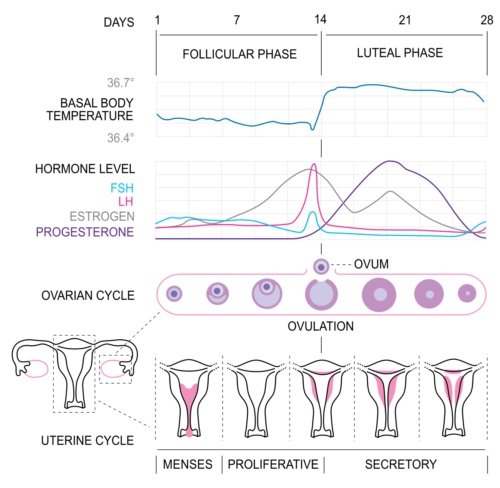
Before implantation, progesterone from the corpus luteum drives most of the noticeable changes. This hormone raises resting body temperature slightly, can cause breast tenderness and bloating, and supports the uterine lining. After implantation, hCG signals the corpus luteum to keep producing progesterone. Small fluctuations in these hormones can explain why 10 DPO may bring symptoms for some and none for others.
Because timing varies between people and even from cycle to cycle, not everyone will be at the same stage at 10 DPO. If ovulation occurred later than expected, implantation and hCG rise may also happen later, which affects when a pregnancy test can show a positive.
Why Symptoms Happen At 10 DPO
At 10 DPO, most symptom changes are due to progesterone. This hormone peaks in the luteal phase, which is the second half of your cycle after ovulation. It can cause tender or swollen breasts, a sense of warmth on waking, mild cramping, bloating, constipation, and fatigue. These effects occur in cycles with and without pregnancy, so they are not specific.
If implantation has occurred, rising hCG may add or intensify symptoms. Some people report light spotting known as implantation bleeding. This is usually small in amount, pink or brown, and lasts less than two days. Heavy bleeding or strong pain is not typical and needs prompt medical care.
Other early pregnancy signs can include nausea, frequent urination, or a metallic taste. They do not appear in every pregnancy, and absence of symptoms at 10 DPO is common. Temperature tracking may show a sustained rise above your pre-ovulation baseline. One or two isolated readings do not carry much meaning. Focus on the overall pattern across several days.

How Testing Works At 10 DPO In Australia
Home urine pregnancy tests check for hCG in your urine. Sensitivity varies by brand, with many early result tests able to detect lower levels. At 10 DPO, hCG may still be below the threshold even if implantation has occurred. This is why a negative at this point cannot rule out pregnancy. Testing again after 48 hours helps because, once detectable, hCG usually follows typical doubling patterns every day or two in early pregnancy, although timing differs between individuals.
If you choose to test at 10 DPO, use first morning urine, read the result within the stated time, and avoid excess fluids before testing. A very faint positive line can still indicate pregnancy if it appears within the time window. Repeating the test with the same brand after two days can show whether the line is becoming clearer. Using the same brand helps reduce variation in sensitivity across products.
Your GP can arrange a blood test that measures the exact hCG level. A repeat blood test two days later can help assess change over time. Blood tests are helpful if your period is late with unclear home results or if you have symptoms that need medical review. In Australia, if you have a positive test, your GP can also start early antenatal care and organise further routine checks.
Using Pregnancy And Ovulation Tests Wisely
Pregnancy tests detect hCG, which appears after implantation. Ovulation tests detect luteinising hormone, or LH, which rises before ovulation. An LH surge indicates a fertile window, not pregnancy. Some people notice faint positives on ovulation strips after conception, but this is unreliable. Use a pregnancy test to check for pregnancy and an ovulation test to time intercourse or insemination in future cycles.
Digital pregnancy tests display words and are simple to read, but many require more hCG than some line tests. This can make them slightly less sensitive in very early testing. Line tests with clear instructions can be a good choice at 10 DPO if you plan to test early. Always check the recommended reading time and avoid interpreting results after that window, as evaporation lines can appear and cause confusion.
For consistency, pick one pregnancy test brand for repeat testing within the same cycle. If you track across cycles, record the brand and the day past ovulation to compare like with like. If you use ovulation tests, begin testing a few days before you expect your fertile window, usually based on your past cycle length. An app or simple calendar note can help you spot your personal pattern across several months.
Tracking Fertility At Home With Basal Body Temperature And Symptoms
Basal body temperature, or BBT, is your resting temperature on waking. After ovulation, progesterone causes a small rise, often about 0.2 to 0.5 degrees Celsius. If you take your temperature at the same time each morning before getting out of bed, you can see a shift from lower pre-ovulation readings to higher luteal phase readings. A sustained rise for more than three days usually indicates ovulation has occurred.
Several factors can change your readings. Irregular sleep may make temperatures jump around. Illness with a fever can push readings up, which can mask your natural pattern. A very hot or cold bedroom can also affect results. Noting these variables in your chart helps you interpret the data. BBT confirms that ovulation likely happened but does not predict the exact day on its own. Combining BBT with ovulation tests or cervical mucus observations can improve timing.
Simple daily notes on symptoms can add context. For example, cramping, spotting, or breast changes can be matched to your temperature pattern. If unexpected changes continue for more than one cycle, or if your luteal phase appears very short, a GP can review and advise. Bring your records to the appointment to support the discussion.
Caring For Yourself During The Two Week Wait And When To Seek Care
Support your body with steady habits while you wait to test. Aim for regular meals that include leafy greens, legumes, whole grains, fruit, vegetables, and iron sources. If you are trying to conceive, a daily folic acid supplement is recommended before conception and in early pregnancy. Gentle activity such as walking, yoga, or swimming can lift mood and improve sleep. Set a consistent bedtime and allow for seven to nine hours of rest.
Limit alcohol and avoid smoking or vaping. Check that any medicines you use are suitable when trying for pregnancy. Speak with your pharmacist or GP if unsure. Consider setting a plan for testing to reduce repeated early testing, which can increase stress. If you feel anxious, mindfulness, breathing exercises, or a chat with a trusted friend can make the wait easier. If you need more support, your GP can help with counselling options or referral pathways.
See a GP urgently for heavy bleeding, strong one-sided pain, shoulder tip pain, fever, or fainting. Book a routine GP visit if your period is late by a week with negative tests, if you have repeated very early positives followed by bleeding, or if your cycles are highly irregular. If you are under 35 and have been trying for 12 months, or 35 or older and have been trying for 6 months, a GP can start fertility assessment and refer to a specialist if needed in line with Australian care pathways.
Frequently Asked Questions About 10 DPO Symptoms Australia
Can implantation happen after 10 DPO?
Yes. Implantation can occur as late as about 12 days past ovulation. A later implantation means hCG rises later, so a home test may stay negative until closer to your expected period date.
Does a negative test at 10 DPO mean I am not pregnant?
No. Many pregnancies will not be detectable that early. Test again two or three days later, or wait until the first day of a missed period for a higher chance of an accurate result.
What does implantation bleeding look like?
It is usually light spotting that is pink or brown rather than bright red, and it often lasts less than two days. Heavy flow, clots, or strong pain are not typical and need medical review.
Can medicines or supplements affect a pregnancy test?
Fertility medicines that contain hCG can cause a false positive if you test too soon after use. Most common medicines and vitamins do not affect results. Check labels and ask a pharmacist or GP if unsure.
Is it safe to keep exercising and having sex in the two-week wait?
For most people it is safe to continue daily activities, including exercise and sex. If you have been advised to avoid certain activities because of a medical condition, follow your clinician’s guidance.
Are digital pregnancy tests better at 10 DPO?
Digital tests are easy to read but often require more hCG than some line tests. If you plan to test at 10 DPO, a sensitive line test may detect pregnancy earlier than many digital options.
Ready For Next Steps
Whether you are noticing new sensations or feeling nothing at all, 10 DPO is still early in the cycle. If you choose to test now and see a negative, give it a little more time and test again. If you prefer to avoid uncertainty, wait until the day your period is due. Consistent records of ovulation timing, basal body temperature, and symptoms can help you understand your own pattern from one cycle to the next. Ovulation tests and early result pregnancy tests can be useful tools when used correctly and consistently.
If you have a positive test, book a GP appointment to begin routine antenatal care in Australia. If you feel stuck or uncertain, your GP can also review your cycle history, discuss preconception health, and plan any next steps. Reliable, steady habits, a clear testing plan, and support from your health team can make this stage feel more manageable. If you need help at any point, reach out to Australian services and qualified clinicians who can guide you based on your goals.
References
https://www.healthdirect.gov.au/pregnancy-tests
https://www.healthdirect.gov.au/early-signs-of-pregnancy
https://www.healthdirect.gov.au/folic-acid
https://www.racgp.org.au/afp/2012/july/infertility
https://ranzcog.edu.au/womens-health/patient-information-resources/early-pregnancy-bleeding
https://www.jeanhailes.org.au/health-a-z/pregnancy/trying-to-conceive
https://www.jeanhailes.org.au/health-a-z/periods/ovulation-and-fertility
https://www.betterhealth.vic.gov.au/health/healthyliving/pregnancy-tests
https://www.health.nsw.gov.au/pregnancy/pages/planning-pregnancy.aspx

Evan Kurzyp
Evan is the founder of Fertility2Family and is passionate about fertility education & providing affordable products to help people in their fertility journey. Evan is a qualified Registered Nurse and has expertise in guiding & managing patients through their fertility journeys.