15 min read
May 9, 2026
10 DPO: Symptoms, Testing and What a Negative Test Means

Written by
Fertility2Family Team

Medically reviewed by
Evan Kurzyp, RN (AHPRA), BSN, Master of Nursing
At 10 DPO, a negative pregnancy test can still change. Ten days past ovulation sits in the later part of the two-week wait, but hCG may still be too low in urine if implantation happened later, ovulation was miscounted, or the test was less sensitive. Symptoms such as cramping, spotting, breast tenderness, nausea, headache, fatigue, bloating, discharge changes or no symptoms at all can happen in both pregnant and non-pregnant cycles.
DPO stands for days past ovulation. If you are 10 DPO, sometimes searched as 10dpo, you are around ten days after a confirmed or estimated ovulation date. This guide explains whether a negative test can still become positive, what a faint line may mean, how symptoms compare with PMS, how 10dp5dt differs after embryo transfer, and when to test again or speak with a GP in Australia.
Quick Answers About 10 DPO Symptoms And Testing
Is a negative pregnancy test at 10 DPO final
No. A negative test at 10 DPO is not always final. If implantation happened later, hCG may not yet be high enough in urine. Retest in two to three days or after your missed period.
Can you get a positive pregnancy test at 10 DPO
Yes. A positive pregnancy test at 10 DPO can happen, especially with first morning urine and a sensitive test. If the line appears within the test window, treat it as a possible positive and repeat the test in two to three days.
Can 10 DPO symptoms tell me if I am pregnant
No. Symptoms at 10 DPO can be caused by progesterone, PMS, implantation timing or early pregnancy. A correctly timed pregnancy test is needed to confirm pregnancy.
10 Days Past Ovulation: What 10 DPO Means In Your Cycle
10 DPO means ten days past ovulation. It usually falls in the luteal phase, which is the time between ovulation and your next period. If fertilisation occurred, implantation may already have happened, may be happening now, or may still be slightly later than expected.
After implantation, early placental cells begin producing human chorionic gonadotropin, or hCG. This is the hormone pregnancy tests detect. hCG rises over time, but urine levels vary with implantation timing, test sensitivity, urine concentration and ovulation accuracy.
Progesterone is also active at 10 days past ovulation. It can cause breast tenderness, bloating, constipation, mild cramping, tiredness, headaches, nausea, mood changes and discharge changes. These symptoms can feel like early pregnancy, but they can also happen before a period.
10 DPO Negative Pregnancy Test: Could You Still Be Pregnant?
Yes, you can still be pregnant after a negative pregnancy test at 10 DPO. A negative result means the test did not detect enough hCG in your urine at that moment. It does not always mean hCG is absent from your body.
This can happen if implantation occurred later, if you ovulated later than your app predicted, if your urine was diluted, or if the test has a higher detection threshold. A BFN at 10 DPO can feel discouraging, but it can still change if hCG has not reached the test threshold.
Wait two to three days and test again with first morning urine. If your period is late and tests remain negative, your GP can advise whether a blood hCG test is useful.
Negative At 10 DPO, Positive At 12 DPO: Is This Possible?
Yes. A negative test at 10 DPO can become positive at 12 DPO. The two-day gap matters because hCG rises after implantation, and early urine levels can be too low for a home test.
If your 10 DPO test is negative, retesting the next morning may not add much clarity. Waiting two to three days gives hCG more time to rise if pregnancy has occurred.
Is A Pregnancy Test Accurate At 10 DPO?
A pregnancy test at 10 DPO is more useful than testing at 7, 8 or 9 DPO, but it is still early. Home pregnancy tests detect hCG in urine. Testing before your period is due can give a false negative if hCG is still too low to detect.
For the fairest result, use first morning urine, follow the instructions exactly, check the expiry date, and read the result only inside the stated time window. Avoid drinking large amounts of fluid before testing, as diluted urine can make early results harder to interpret.
If you are testing over several days, pregnancy test strips can support repeated home testing when used exactly as directed. If you prefer a handled test, pregnancy midstream tests may be easier to use. For broader testing options, see Fertility2Family’s pregnancy tests.
What Does A Faint Line At 10 DPO Mean?
A faint line at 10 DPO can be an early positive result if it appears within the test reading window. It often means hCG is present but still low enough that the result appears light.
Do not judge a test after the recommended reading time. Lines that appear later can be evaporation lines or indent lines and should not be used to make decisions. If the line appeared after the reading window, read more about evaporation lines on pregnancy tests before retesting.
If the line appeared within the test window, repeat the test in two to three days with first morning urine. If the result is unclear, your GP can arrange a blood hCG test.
What If You Get A Positive Pregnancy Test At 10 DPO?
A positive pregnancy test at 10 DPO is a strong sign that hCG has been detected, especially if the line appears within the test window. Repeat the test in two to three days if you want to see whether the line becomes clearer.
If you used a fertility medicine that contains hCG, such as a trigger shot, ask your fertility clinic or GP how long it may affect home test results. If you are not already taking folic acid or pregnancy supplements recommended for you, speak with your GP or pharmacist.
When To Book A GP After A Positive Test At 10 DPO
Book a GP appointment if you want confirmation, blood hCG testing, early pregnancy advice or referral planning. Seek urgent care if a positive test is paired with severe one-sided pain, shoulder tip pain, fainting, dizziness or heavy bleeding.
10 DPO Symptoms: PMS Or Pregnancy?
At 10 DPO, PMS and early pregnancy can still feel almost identical. Progesterone is active in both pregnant and non-pregnant cycles. Breast tenderness, cramps, bloating, constipation, tiredness, headaches, nausea, mood changes and discharge changes can happen either way.
A symptom that feels stronger than usual may be worth noting, but it cannot confirm pregnancy. The only reliable way to separate pregnancy from PMS is a pregnancy test at the right time or a blood hCG test arranged through your GP.
| Symptom at 10 DPO | Before a period | Early pregnancy |
|---|---|---|
| Breast tenderness | Yes, hormone shifts can cause soreness. | Yes, hormones can also cause breast changes. |
| Mild cramping | Yes, cramps can occur before bleeding. | Yes, but severe pain needs care. |
| Spotting | Yes, spotting can occur before a period. | Yes, light spotting can occur around implantation. |
| Nausea or bloating | Yes, progesterone can affect digestion. | Yes, but nausea is not diagnostic. |
| No symptoms | Yes, some cycles have few symptoms. | Yes, no symptoms does not rule out pregnancy. |
Cramping At 10 DPO: Period Or Pregnancy?
Cramping at 10 DPO can come from progesterone, digestion, pelvic changes, implantation timing or the start of a period. Mild cramps can happen in both pregnant and non-pregnant cycles.
Period cramps may become stronger as bleeding starts. If pain is severe, one-sided, worsening, or comes with dizziness, fainting, shoulder tip pain or heavy bleeding, seek urgent care.
Spotting At 10 DPO: Period Or Implantation?
Light spotting at 10 DPO may be implantation spotting, cervical irritation, hormonal spotting or the start of a period. Implantation spotting, when it occurs, is usually light, brief and pink or brown rather than heavy red flow.
You can also read Fertility2Family’s guide to implantation bleeding if you are comparing light spotting with the start of a period. Bleeding that becomes heavy, lasts longer than expected, or comes with pain should be checked.
What Does Discharge Look Like At 10 DPO If Pregnant?
Discharge at 10 DPO can be creamy, white, sticky, pale or slightly increased because progesterone affects cervical mucus. This can happen whether or not pregnancy has occurred. If discharge has a strong odour, causes itching, burning, pelvic pain or feels unusual for you, speak with your GP.
Can You Feel Nauseous At 10 DPO?
Nausea at 10 DPO can happen, but it does not confirm pregnancy. Progesterone, stress, sleep changes, illness and diet can all contribute. If nausea is severe, persistent, or comes with pain, fever, vomiting or dehydration, seek medical advice.
Sore Breasts At 10 DPO
Sore breasts at 10 DPO can happen before a period or in early pregnancy because hormone changes can affect breast tissue. Breast tenderness alone cannot confirm pregnancy. If breast pain is severe, one-sided, linked with a new lump, skin change or nipple discharge, book a GP review.
Headache At 10 DPO
A headache at 10 DPO can happen in the luteal phase because of hormone shifts, dehydration, stress, caffeine changes or heat. It can occur in a pregnant cycle, but it is not a reliable pregnancy sign. If it is severe, unusual, persistent, or comes with vision changes, fainting, fever or neurological symptoms, seek medical advice.
What If I Have No Symptoms At 10 DPO?
No symptoms at 10 DPO is normal and does not rule out pregnancy. Some people do not notice symptoms until after a missed period. Others feel symptoms every luteal phase because progesterone affects the body after ovulation.
A lack of symptoms does not mean implantation failed or that your period is certain to arrive. If you have no symptoms at 10 days past ovulation, test at the right time and retest if your period does not arrive.

10 DPO Symptoms Ending In BFP: What It Can And Cannot Mean
Some people who later get a positive pregnancy test report symptoms at 10 DPO, including breast tenderness, mild cramps, tiredness, nausea, constipation, bloating, discharge changes, spotting or headaches. These symptoms can end in a BFP, but they can also happen in cycles that are not pregnant.
The same symptom can appear in a cycle that ends in a BFN, which means a negative pregnancy test. A stronger sign is a correctly timed test result within the reading window, followed by a clearer result over the next two to three days.
What Does 10dp5dt Mean After A 5 Day Embryo Transfer?
10dp5dt means 10 days past a 5 day embryo transfer. This is different from 10 DPO after ovulation in a natural cycle. A 5 day embryo is already more developed when transferred, so 10dp5dt is closer to about 15 DPO in natural-cycle timing.
At 10dp5dt, testing is usually more meaningful than at 10 DPO after ovulation. Follow your clinic’s timing for home testing, beta hCG blood tests and progesterone support. Do not stop prescribed medication unless your doctor or fertility team tells you to.
How Ovulation And Pregnancy Tests Fit Together
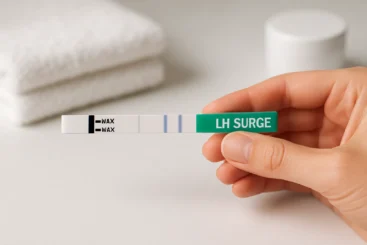
Your 10 DPO count is only as accurate as your ovulation date. If an app estimated ovulation but you did not confirm it, you may be earlier or later than you think. Ovulation tests can help identify the LH surge before ovulation, while pregnancy tests check for hCG after implantation.
If you are tracking cycle timing, ovulation test strips can support repeated LH testing when used exactly as directed. Some people also use basal body temperature tracking to confirm that ovulation likely happened after the temperature rise.
If your 10 DPO test is negative, compare the 9 DPO symptoms guide, the 11 DPO symptoms guide, or the 12 DPO symptoms guide. If you want to understand repeat testing, read Fertility2Family’s guide to hCG doubling time in early pregnancy.
If you want a simple home testing setup, Fertility2Family offers pregnancy tests, pregnancy test strips, pregnancy midstream tests, ovulation tests and fertility kits. Use all tests according to the instructions and avoid testing so often that it adds stress without adding clarity.
Home Care During The Two-Week Wait
The two-week wait can make every symptom feel important. Choose one sensible retest day, use first morning urine, and leave enough time between tests for the result to change.
Regular meals, water, gentle movement and enough sleep may help with bloating, constipation, headaches and tiredness. Avoid smoking and limit alcohol while pregnancy is possible. If you take medicines or supplements, ask your GP or pharmacist whether they are suitable when pregnancy is possible.
When To See A GP Or Seek Urgent Care In Australia
Book a GP appointment if your period is late and tests are unclear, if you have repeated early losses, if you are using fertility medicines, or if you want confirmation after a positive test. Your GP can advise whether urine testing, blood hCG testing, ultrasound or referral is needed.
Seek urgent medical care if you have severe one-sided pelvic pain, shoulder tip pain, fainting, dizziness, heavy bleeding, fever with pelvic pain, or pain that does not settle. These symptoms need prompt assessment because ectopic pregnancy and other early pregnancy problems can be serious.
If you are under 35 and have been trying to conceive for 12 months, or 35 or older and have been trying for 6 months, ask your GP about a fertility review. Earlier review is reasonable if your cycles are very irregular, you have a known reproductive health condition, or you are using fertility treatment.
Frequently Asked Questions About 10 DPO Australia
Is a negative pregnancy test at 10 DPO conclusive
No. A negative pregnancy test at 10 DPO is not always conclusive. Retest in two to three days or after your missed period, especially if your ovulation date may be wrong.
Can I still get a positive at 12 DPO after a negative at 10 DPO
Yes. A negative at 10 DPO can become positive at 12 DPO if implantation happened later, hCG was still low, or the first test was affected by urine dilution or test sensitivity.
What does a faint line at 10 DPO mean
A faint line at 10 DPO may be an early positive result if it appears within the reading window. Repeat the test in two to three days with first morning urine.
Can I have no symptoms at 10 DPO and still be pregnant
Yes. No symptoms at 10 DPO does not rule out pregnancy. Some people do not notice changes until after a missed period.
How can I tell PMS from early pregnancy at 10 DPO
You usually cannot tell from symptoms alone. PMS and early pregnancy can both cause cramps, tender breasts, tiredness, mood changes and bloating.
What does spotting at 10 DPO mean
Spotting at 10 DPO may be implantation spotting, cervical irritation, hormonal spotting or the start of a period. Heavy bleeding or pain should be assessed.
Can 10 DPO symptoms end in a BFP
Yes, some people who later get a positive pregnancy test report symptoms at 10 DPO, but the same symptoms can happen before a period. Symptoms alone cannot confirm pregnancy.
What should I do after a positive test at 10 DPO
Repeat the test in two to three days if you want to check progression, and book a GP appointment if you want confirmation, blood testing or early pregnancy advice.
What does 10dp5dt mean compared with 10 DPO
10dp5dt means 10 days past a 5 day embryo transfer. It is closer to about 15 DPO in natural-cycle timing, so testing is usually more meaningful. Follow your clinic’s instructions.
Can fertility medicines affect a 10 DPO test
Yes. Fertility medicines that contain hCG, such as some trigger shots, can affect pregnancy tests. Ask your GP or fertility clinic when to test.
Should I use a strip test or midstream test at 10 DPO
Both can work when used as directed. Strip tests can suit repeated testing, while midstream tests may be easier to handle. Follow the instructions and read the result inside the test window.
Next Steps If You Are 10 DPO And Waiting
If you are 10 DPO and your test is negative, wait two to three days and test again with first morning urine. If your test is faint, repeat it in two to three days and read the result only within the recommended window.
If your period arrives, give yourself time to reset. Review your fertile window timing and consider whether ovulation testing, BBT tracking or a small timing change could help next cycle. If pain, bleeding or symptoms worry you, speak with your GP or call Healthdirect for advice.
Last reviewed: May 9, 2026
Next scheduled review: May 2027
References
Fertility2Family publishes Australia-focused fertility education. Articles are written by our team and medically reviewed by Australian-registered health practitioners. We use Australian consumer medicine information, Australian clinical and public health guidance, and peer-reviewed research consistent with Australian care. We explain what the evidence suggests, what it cannot confirm, and when to see a GP or fertility specialist. Each article lists its author, medical reviewer, and review dates.
https://www.healthdirect.gov.au/hcg-levels
https://www.healthdirect.gov.au/amp/article/hcg-test
https://www.healthdirect.gov.au/pregnancy-tests
https://www.healthdirect.gov.au/early-signs-of-pregnancy
https://www.healthdirect.gov.au/bleeding-during-pregnancy
https://www.healthdirect.gov.au/ectopic-pregnancy
https://www.betterhealth.vic.gov.au/health/conditionsandtreatments/ovulation
https://www.betterhealth.vic.gov.au/health/healthyliving/pregnancy-test
https://www.pregnancybirthbaby.org.au/hcg-levels
https://www.pregnancybirthbaby.org.au/home-pregnancy-tests
https://www.pregnancybirthbaby.org.au/implantation-bleeding
https://www.pregnancybirthbaby.org.au/ovulation-signs
https://www.jeanhailes.org.au/health-a-z/fertility-and-reproductive-health/trying-to-conceive
https://www.jeanhailes.org.au/health-a-z/pregnancy/first-trimester
https://www.racgp.org.au/afp/2016/may/early-pregnancy-bleeding/