


If you have gone back to a pregnancy test and suddenly noticed a second line, it is easy to start checking it from every angle. The most useful clue is when the line appeared and whether the test was still inside the reading window for that exact device.
A coloured test line that appears within the valid window may indicate hCG, even when it is faint. A new mark first noticed after the reading window has passed should not be used to decide whether you are pregnant. This guide explains the difference calmly, including what to look for, when to retest and when to speak with a GP in Australia.
Quick Answers About Evaporation Lines
What is an evaporation line on a pregnancy test?
An evaporation line is a mark noticed as a used test dries, usually after the result should no longer be read. It does not confirm that hCG was detected, so an out-of-window line should not be treated as a positive result.
How can I tell an evaporation line from a faint positive?
Start with timing. A test line that appears within the valid reading window may indicate hCG, even when faint. A new line noticed only after the time limit is not reliable and should be checked with a fresh test.
What does an evaporation line look like?
Late drying marks are commonly described as grey, colourless, translucent or shadow-like. They can be thin or incomplete, but appearance alone is not enough. The reading time, control result and instructions for the exact test matter more.
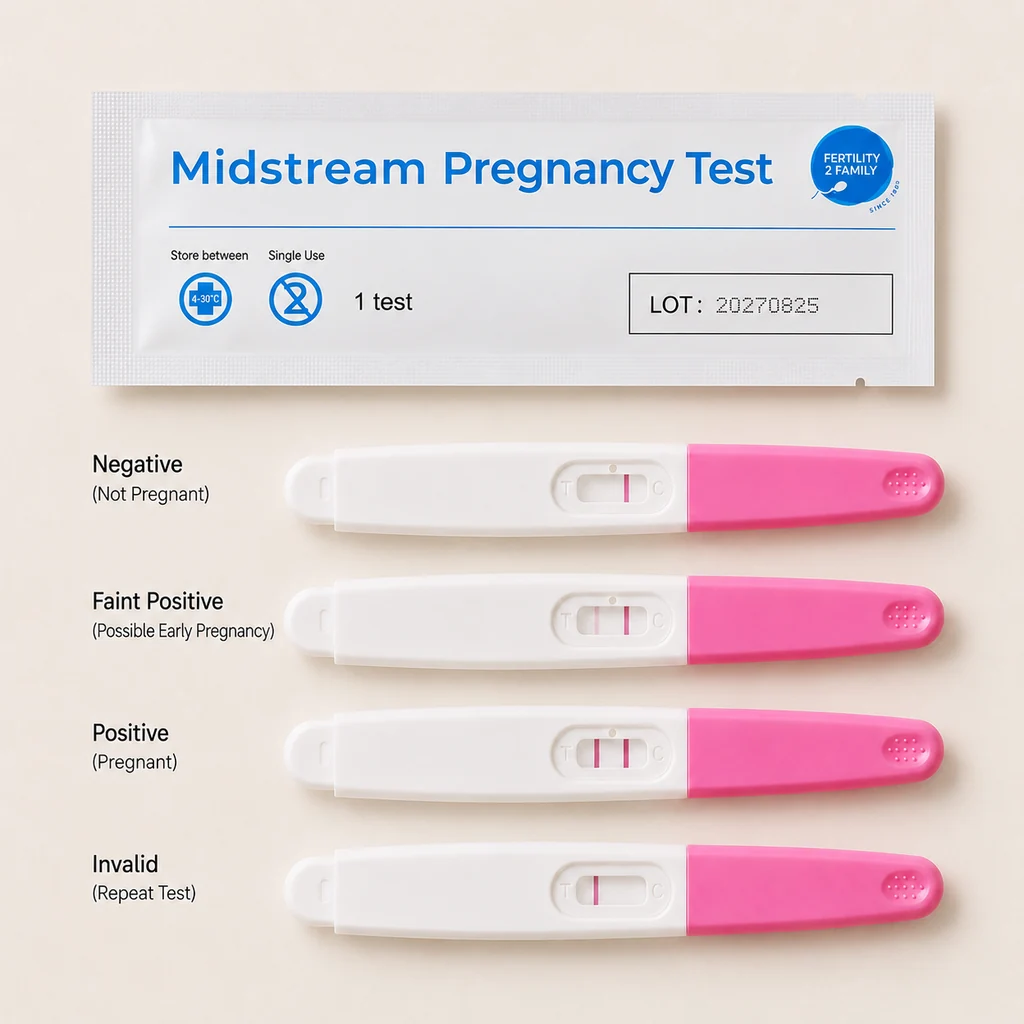
What Does an Evaporation Line Look Like on a Pregnancy Test?
Most people asking this question want to know whether the line in front of them could be real. A late drying mark may look grey, colourless, translucent or shadow-like and can sit exactly where a positive test line would normally appear.
An indent line can also catch the light where the test line is designed to develop. A dye run or uneven development can look streaky while the test is processing. These marks can be confusing, especially once the test has dried.
The safest way to interpret an uncertain line is to put timing before appearance. If the control is valid and a coloured test line appears within the device’s stated window, follow that product’s result instructions. If a new mark appears only later, retest rather than trying to diagnose the old line.
How dark can an evaporation line be?
There is no useful darkness cut-off that separates every late drying mark from every true positive. A line can look stronger under bright light or in a photograph. If it first appears after the valid reading window, its darkness does not make the old result valid again.
| What you notice | What it may mean | What to do next |
|---|---|---|
| A coloured test line appears within the stated reading window and the control is valid | hCG may have been detected. A positive line can be faint when urine hCG is still low. | Follow the instructions for that device and arrange pregnancy follow-up if the result is positive. |
| A grey, colourless or shadow-like line appears only after the reading window | The test is outside its valid interpretation time and the late mark may be a drying artefact. | Set the old test aside and repeat with a fresh device. |
| A colourless groove or indent is visible where the test line would appear | This may be the physical test-line area rather than evidence that hCG was detected. | Repeat if the result is uncertain and read the new test only within its stated window. |
| Dye looks streaked, pooled or uneven, or the control does not appear as expected | The test may have developed abnormally or may be invalid. | Check the instructions and use a new test if validity is uncertain. |
Evaporation Line vs Faint Positive: Which Detail Matters Most?
Timing is the first clue. A faint coloured line that appears within the valid result window may be a positive pregnancy test. If that is what you saw, the separate guide to a faint line on a pregnancy test explains what an on-time faint result can mean.
Line darkness is not a reliable way to judge whether a pregnancy is healthy. Urine concentration, test design, timing and hCG concentration can all affect how a home-test line looks. If clinical assessment is needed, blood hCG testing and ultrasound provide different information from line progression at home.
When Does an Evaporation Line Appear?
The useful question is not whether a line appeared after five minutes, ten minutes or an hour. It is whether it appeared inside the valid reading window for the exact test you used. Different pregnancy tests can use different timings.
Fertility2Family’s current pregnancy test strip instructions direct users to read the result at five minutes and ignore changes after ten minutes. If you use a different brand or format, follow the timing supplied with that device rather than borrowing a rule from another test.
If a test looked negative when read correctly but developed another mark later, do not upgrade the old test to positive. A fresh test is more useful. If you are comparing formats before retesting, you can compare pregnancy tests in Australia before choosing between strips and midstream tests.
How common are evaporation lines?
There is no reliable universal percentage that tells you how likely an evaporation line is on your own test. The practical way to reduce confusion is to follow the instructions, use the correct sample technique, read the result once at the stated time and then set the test aside.
Can an Evaporation Line Be Pink or Blue?
Late drying marks are often described as grey or colourless, but colour is not the safest way to rescue a result that was checked too late. If a pink or blue-looking mark is first noticed after the valid reading window, treat the test as out of time and repeat it.
If a coloured line appeared within the valid window, follow the instructions for that exact test. This is more dependable than deciding that every pink line is positive or every grey or blue line is an evaporation line.
Are blue dye tests more likely to show evaporation lines?
Do not use dye colour as a reliability rule across brands. Test designs, dyes and result windows differ, so the manufacturer’s instructions for the device in your hand are more useful than the colour family alone.
What About Clearblue, First Response and Other Brands?
The same principle applies if you are searching for a Clearblue evaporation line, First Response evaporation line or a late mark on another home pregnancy test. Brand-specific photos can help you recognise the layout of a test, but they cannot tell you when your own line first appeared.
Different products can also have different reading windows. Current Clearblue Australia instructions, for example, direct users to read the result within the stated window for the specific test and ignore later changes. Use the instructions supplied with your exact test rather than a timing rule copied from another brand.
Why Do Evaporation Lines, Indents and Dye Runs Happen?
Visual pregnancy tests move urine through absorbent test material. Once the valid reading window has passed, the test is no longer intended to be interpreted as a new result. As it dries, the result area, physical indent and residual dye can look different from how they appeared earlier.
Technique can add more confusion. Dipping a strip too far, using too much or too little urine, flooding a result window, using an expired test or reading it late can all make the result harder to interpret. A valid control indicator is an important check that the test developed correctly.
A used pregnancy test is also single use. Once it has reacted, it cannot be reset by drying or dipping it again. If you are tempted to use the same device twice, the guide to reusing a pregnancy test explains why the second result is not reliable.
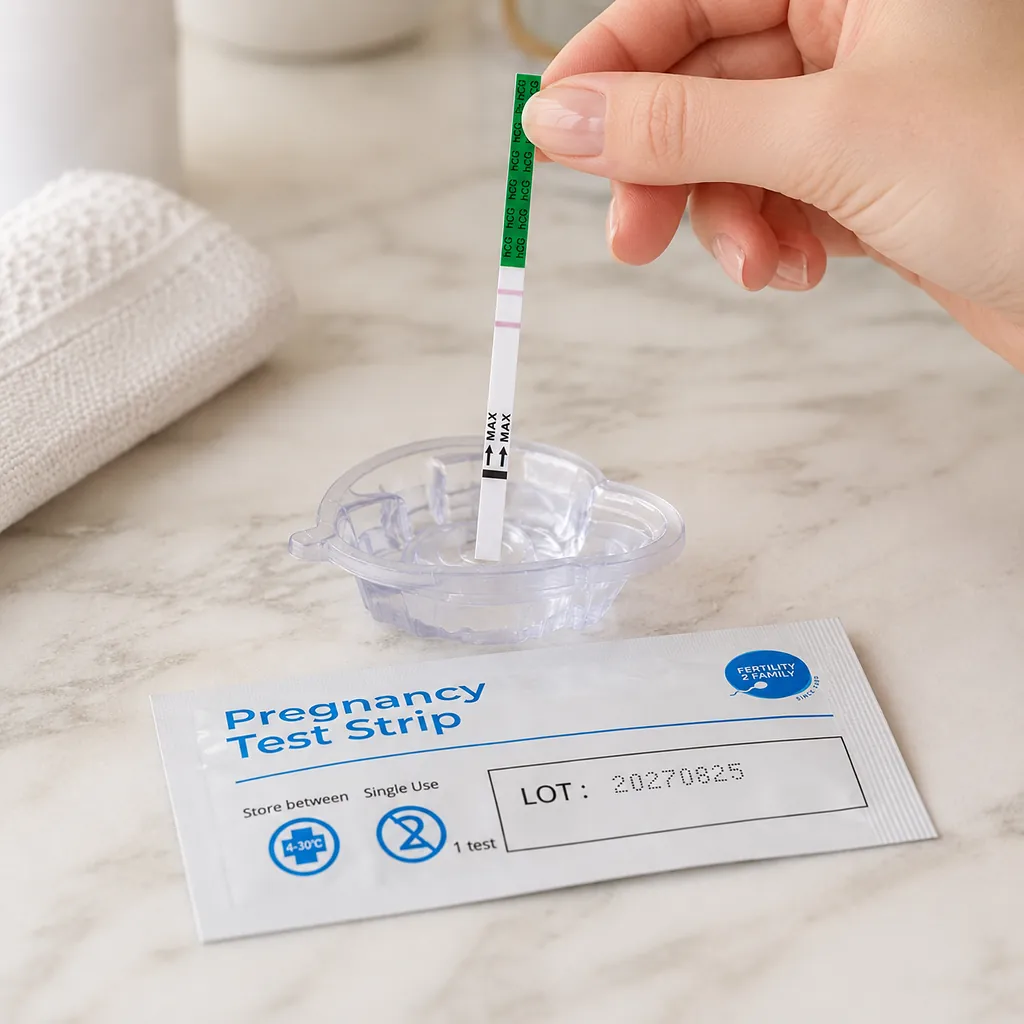
Can a Photo or App Tell if It Is an Evaporation Line?
A photo can record what a line looked like, but it cannot show when the line first appeared, whether the control was valid or whether the test was used exactly as instructed. Those details are often more important than the image itself.
Lighting, exposure, screen brightness and image filters can also change how a faint groove or shadow looks. If the test is already outside its reading window, a fresh correctly timed test gives you more useful information than repeatedly editing or enlarging the old photo.
How to Reduce Confusing Pregnancy Test Results
Check the expiry date and read the instructions before you start. Use the sample exactly as directed, set a timer and look for the control indicator. Once the valid reading window has passed, stop interpreting any later change.
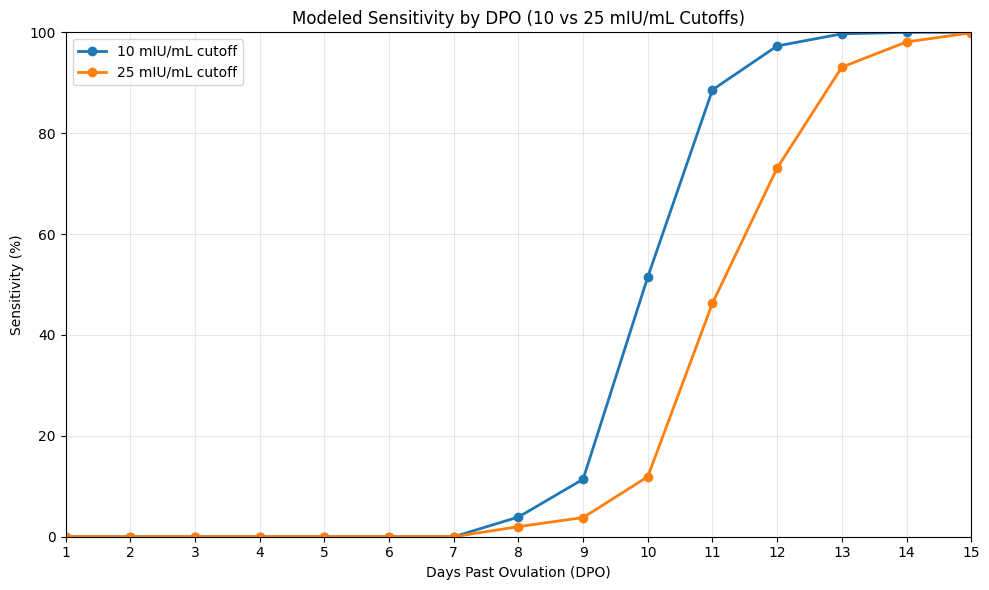
If you are testing early, first morning urine can be useful because it is usually more concentrated. Testing too early can still give a negative result even when pregnancy has occurred. The false negative pregnancy test guide explains why timing and urine dilution can matter.
If you prefer a lower-cost format for planned retesting, pregnancy test strips can suit people who are comfortable collecting urine and dipping a strip. Follow the strip instructions carefully and do not dip above the MAX line.
Pregnancy Test Strips, Midstream Tests and Digital Tests
Strip, midstream and digital tests all check for hCG, but they use different collection methods and result formats. Strip tests use collected urine. Midstream tests are used directly in the urine stream. Digital tests display the result without asking you to judge a visual test line.
Midstream tests can be simpler if you would rather test directly in the urine stream than collect a sample and dip a strip. Fertility2Family’s midstream pregnancy tests use this direct format, with separate midstream pregnancy test instructions for collection and reading.
Digital tests still need to be used at the right time and according to their own instructions. A negative digital result can still be too early if urine hCG has not reached that device’s detection threshold.
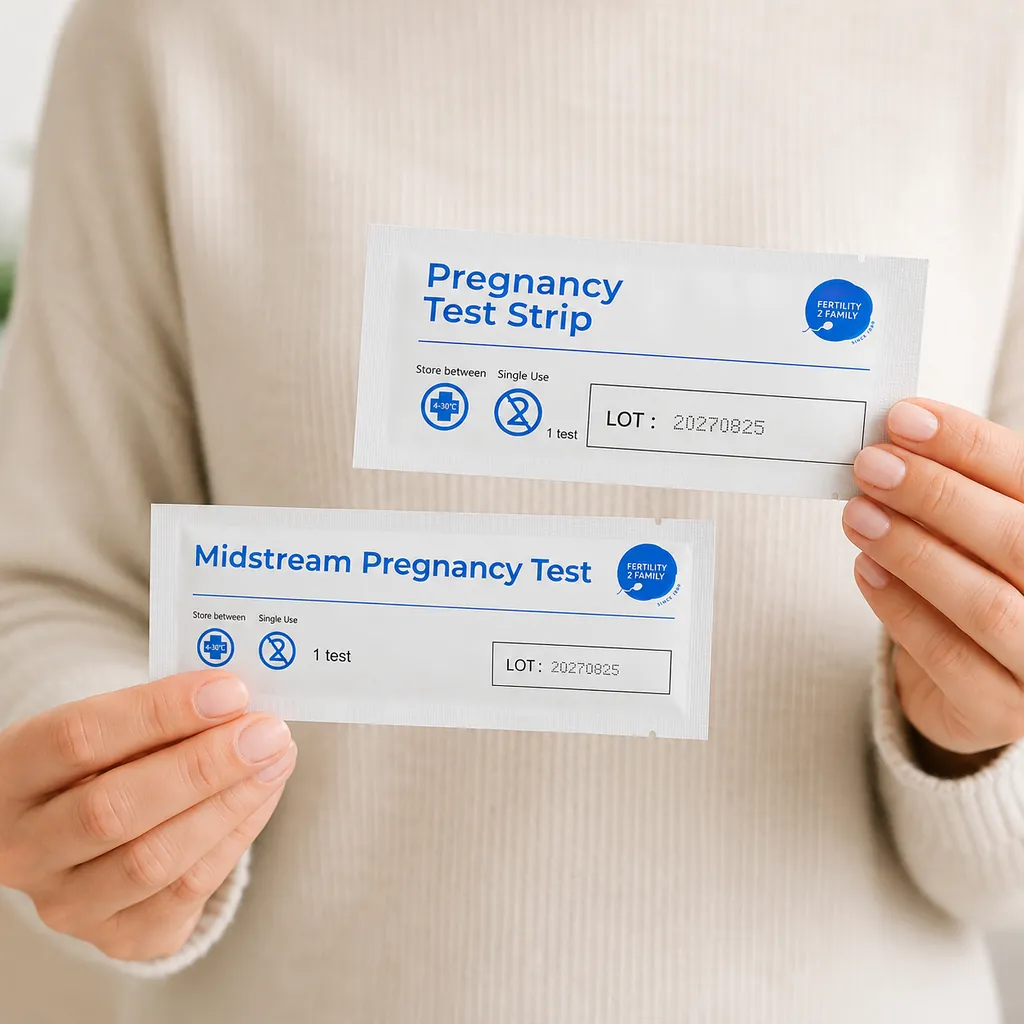
What Should You Do After an Unclear or Mixed Result?
If a second line appeared only after the time limit, you do not need to keep solving the old test. Repeat with a fresh device. If a faint coloured line appeared within the valid window, follow that product’s advice for confirmation or retesting.
If your period is late but repeat tests remain negative, the no period but negative pregnancy test guide covers common reasons and next steps. If you receive a clear positive result, what to do after a positive pregnancy test explains the first steps in Australia.
What if you used an hCG trigger injection?
Some fertility medicines contain hCG and can temporarily affect pregnancy-test results. Current Australian Ovidrel product information states that it may interfere with serum or urine hCG testing for up to ten days after administration. Follow your fertility clinic’s planned testing date rather than relying on line progression at home.
When Should You Speak With a GP?
See a GP if home results remain inconsistent, your period stays late despite negative tests, a positive result needs follow-up, or fertility treatment could be affecting the result. A GP can advise whether repeat urine testing, blood hCG testing or other assessment is useful.
Pregnancy-test lines cannot show where a pregnancy is located. If pregnancy is possible and you develop strong abdominal or pelvic pain, shoulder-tip pain, heavy bleeding, marked dizziness or fainting, seek urgent medical assessment. Call 000 for an ambulance in a life-threatening emergency.
Frequently Asked Questions About Evaporation Lines on Pregnancy Tests in Australia
Does an evaporation line mean I am pregnant?
No. An evaporation line does not confirm hCG. If a mark appeared only after the valid reading window, disregard the old result and repeat with a fresh pregnancy test.
What if a pregnancy test line appears after 10 minutes or an hour?
Use the time limit for your exact test. If the line first appeared after that valid window, do not interpret it as positive. Repeat with a new test and read it at the time stated in the instructions.
How long does an evaporation line take to appear?
There is no universal number of minutes that applies to every pregnancy test. Use the reading window for your exact device. If a new mark first appears after that window, disregard the late change and repeat with a fresh test.
Can an evaporation line look pink or blue?
A line noticed after the valid reading window should not be interpreted, even if it looks tinted. If a coloured line appeared within the correct window, follow the result instructions for that exact test.
Can an evaporation line appear within five minutes?
Do not use a universal five-minute rule. Some tests are still inside their valid reading window at five minutes. Follow the exact device instructions, and repeat with a new test if the result or control is unclear.
What if I had a faint positive and then a negative test?
Urine concentration, testing time, different devices, an invalid first test, hCG-containing fertility medicine or an early pregnancy change can contribute. Repeat as directed or ask your GP whether further testing is appropriate.
Next Steps in Australia
If you are looking at a test that changed after it dried, you do not need to keep finding new ways to inspect the old line. Check the instructions, set that test aside and repeat with a fresh device at the recommended time.
If an on-time result is positive, repeatedly unclear or does not fit what you expected, arrange follow-up with your GP, midwife or fertility clinic. The aim is to get a clearer answer from the next appropriate test rather than more uncertainty from the same dried one.
Last reviewed: 18 August 2026
Next scheduled review: August 2027
References
Fertility2Family articles are researched using Australian Government health guidance, professional clinical recommendations and peer-reviewed medical literature. The references below were used to research and medically review this article and provide additional reading for readers who want to read the evidence in more detail.
Pregnancy, Birth and Baby Pregnancy tests
Australian guidance on home pregnancy testing, hCG detection, test timing, first-morning urine, following device instructions, retesting and medical follow-up after positive or persistent negative results.
Pregnancy, Birth and Baby hCG levels
Australian information on hCG in urine and blood, early pregnancy detection, biological variation and why blood testing may be used when more clinical information is needed.
Healthdirect Australia hCG test
Australian guidance on urine and blood hCG testing, first-morning urine, early false negatives, repeat testing and medical confirmation when a home result is uncertain.
Healthdirect Australia Ectopic pregnancy
Australian guidance on ectopic pregnancy symptoms, diagnosis and urgent care, including abdominal pain, shoulder-tip pain, bleeding, dizziness, faintness and emergency assessment.
Therapeutic Goods Administration In vitro diagnostic devices
Current Australian regulatory information explaining that pregnancy tests are in vitro diagnostic medical devices and outlining TGA requirements for safety, performance and legal supply.
Better Health Channel Pregnancy testing
Victorian Government guidance on pregnancy-test timing, first-morning urine, following manufacturer instructions, causes of inaccurate results and when to arrange medical confirmation.
RANZCOG Miscarriage, Recurrent Miscarriage and Ectopic Pregnancy (C-Gyn 38)
Current Australian and New Zealand clinical guidance on early pregnancy loss and ectopic pregnancy, including assessment, ultrasound, hCG testing, follow-up and emergency management.
Fertility2Family Pregnancy Test Strip Instructions: How to Dip and Read
Current Fertility2Family instructions covering strip collection, 15-second dipping, five-minute reading, the ten-minute interpretation limit, control-line validity and positive, negative and invalid results.
Fertility2Family Midstream Pregnancy Test Instructions: How to Use and Read
Current Fertility2Family instructions covering direct urine application, five-minute reading, the ten-minute interpretation limit, control-line validity and positive, negative and invalid results.
Australian Commission on Safety and Quality in Health Care Ovidrel Pen
Current Australian medicine information for choriogonadotropin alfa, including fertility-treatment use and its potential to interfere with serum or urine hCG testing for up to ten days.
Clearblue Australia I have a faint line on my pregnancy test: am I pregnant?
Australian product guidance explaining faint positive lines, early testing, urine dilution, morning testing and the importance of following the instructions for the exact pregnancy test.
Clearblue Australia Clearblue Rapid Detection Pregnancy Test
Current Australian device instructions showing a brand-specific reading window and directing users to ignore result changes that appear after the stated interpretation time.
Cleveland Clinic Pregnancy Test: When To Take, Types & Accuracy
Medically reviewed clinical guidance on pregnancy-test timing, control indicators, early testing and evaporation lines that may appear when a result is checked too late.
Medical News Today How to identify an evaporation line on a pregnancy test
A medically reviewed 2026 overview of evaporation-line appearance, the difference from a positive result and the practical value of repeating an uncertain home test.
Obstetrics and Gynecology International β-Human Chorionic Gonadotropin Dynamics in Early Gestational Events: A Practical and Updated Reappraisal
A 2024 peer-reviewed review of early-pregnancy hCG dynamics and serial interpretation, supporting caution with simple thresholds and conclusions drawn from home-test line progression.