Male infertility affects many couples in Australia and can be emotionally taxing. While fertility care is often seen as a women’s issue, sperm health, hormones and testicular function play a large role in a couple’s chance of pregnancy. Clomiphene citrate, known by the brand name Clomid, is a prescription medicine that can raise certain hormones in men and may improve sperm production for selected patients. In Australia, this medicine is used off label for men and is taken as an oral tablet under medical supervision. Outcomes vary, so it is important to set realistic goals, understand possible side effects and follow a clear care plan with your GP or specialist. This guide explains how male infertility is assessed, where Clomid may fit, what results to expect and how at home tools like ovulation and pregnancy tests support timing and decision making for couples.
Quick Answers About Clomid for Male Fertility
Does Clomid help male infertility
Clomid can raise follicle stimulating hormone and luteinising hormone, which may improve testosterone and sperm production in some men, especially when low testosterone or hormonal imbalance is present. Results vary and it does not work for everyone.
How long until results are seen
Sperm take about three to four months to mature. Most doctors review blood tests within weeks and assess semen results after three months of steady dosing.
Is Clomid approved for men in Australia
Clomid is prescribed to men off label in Australia. A GP or specialist monitors treatment with blood tests and semen analysis and checks for side effects such as headaches or visual changes.
What Clomid is and how it may support male fertility
Clomiphene citrate is a selective oestrogen receptor modulator. It blocks oestrogen feedback at the level of the pituitary gland, which prompts the body to release more luteinising hormone and follicle stimulating hormone. In men, these hormones signal the testes to produce testosterone and support sperm development. You can read more about oestrogen, the pituitary gland, FSH and LH. In Australia, Clomid is prescribed as an oral tablet for men and used under specialist guidance to aim for a balanced hormonal profile. It is not the same as testosterone replacement. Testosterone therapy can suppress sperm production, while Clomid aims to stimulate a man’s own hormone axis to support sperm making. Doctors may also discuss antioxidants such as vitamin E in selected cases.

Male infertility in Australia Causes and risk factors
Male infertility has many possible contributors. Age can affect sperm DNA and function. Injury to the testes and past infections can disrupt sperm making. Weight gain and metabolic health play a role, as excess weight is linked with poorer sperm parameters and lower testosterone. Low testosterone is common in some men and may be related to the brain’s hormone signals or a testicular issue. Medical conditions such as diabetes can affect nerves and blood vessels. A varicocele is an enlarged vein in the scrotum and is a frequent finding in men with subfertility. Anabolic steroids, tobacco and heavy alcohol use are harmful to sperm quality and count, with more detail at this Australian review of tobacco, alcohol and drugs. Each cause needs a targeted plan, which may include lifestyle change, medicines or surgery.
How male infertility is diagnosed and what the tests involve
Most couples start with their GP. A medical history covers erection and ejaculation, childhood illnesses, fevers, exposure to heat or toxins and any use of testosterone or bodybuilding supplements. Examination checks the testes, epididymis and scrotal veins. The first test is usually a semen analysis, with clear instructions about abstinence before collection and how to keep the sample warm and delivered quickly to the lab. A semen analysis reports volume, pH, sperm concentration, motility and morphology. It is common to repeat the test because results vary from sample to sample.
Blood tests look at morning testosterone with LH and FSH to show whether the brain is sending strong signals to the testes. Estradiol may be checked if breast tenderness or higher body fat is present. Prolactin and thyroid tests are sometimes included. Scrotal ultrasound assesses suspected varicocele or testicular changes. For men with very low or zero sperm, doctors may order genetic tests. A partner assessment is done in parallel to avoid delay and to align timing with ovulation using simple tools at home.
Clomid use in men in Australia Administration dosing and monitoring
In Australia, Clomid for men is prescribed only as an oral tablet. Typical care involves a low starting dose, taken daily or on alternate days, tailored to baseline hormones and the man’s health profile. Doctors aim for a mid to high normal testosterone, a stable LH and FSH, and avoidance of a rise in estradiol that could counter benefits. Because sperm development takes time, treatment is usually continued for three to four months before judging semen changes. This matches the usual window of about 90 to 108 days for sperm to mature.
Monitoring is essential. Blood tests at set intervals check testosterone, LH, FSH and estradiol. A semen analysis is repeated after three months to assess count, motility and morphology. Side effects include mood changes, headaches, acne, a change in sex drive and occasional visual symptoms such as blurred vision. Any visual change needs prompt review and stopping the medicine until assessed. Men with known liver disease or unexplained testicular pain require careful evaluation before use. Your GP can coordinate this care and, when needed, refer to a fertility specialist or andrologist.

Evidence results and realistic timelines
Studies show mixed outcomes for Clomid in male infertility. Many men see a rise in testosterone and often an increase in sperm concentration. Motility and morphology do not always improve to the same degree. Some reports describe a return of sperm in the ejaculate for a subset of men with nonobstructive azoospermia after several months on therapy, although this is not common. Combining Clomid with antioxidants such as vitamin E has been studied in men with idiopathic low sperm count, with some improvement reported in semen parameters.
Results are gradual. Hormone levels can change within weeks. Sperm measures are best assessed after three months and again if treatment continues. A higher sperm count does not always translate into natural pregnancy. Couples may still need assisted reproduction such as intrauterine insemination or IVF if sperm motion or shape remains poor or if female factors are present. Setting clear goals with your care team helps avoid frustration and supports timely next steps.

Who may benefit and when to consider other options
Men are more likely to benefit from Clomid when low testosterone is linked to a pituitary signal problem and when LH and FSH are not high. Younger to middle aged men with a low or borderline sperm count and no physical blockage may be considered. Doctors sometimes use it in men with idiopathic oligoasthenozoospermia when common causes have been excluded by semen analysis and imaging. Some men with nonobstructive azoospermia try Clomid before a surgical sperm retrieval to improve the chance of finding sperm in a biopsy. A varicocele may respond better to surgery or to watchful waiting with lifestyle change, which your specialist can discuss.
Other treatments may be better if the testes already make high levels of LH and FSH with low testosterone, which suggests primary testicular failure, or if a blockage prevents sperm entering the ejaculate. Testosterone replacement is not a fertility therapy because it suppresses sperm production. If erections, ejaculation or libido are the main issues, targeted treatments are needed. Your GP can guide you on next steps and refer you to an andrologist or reproductive urologist for advanced care.
At home steps timing sex and how common tests fit in
Lifestyle change supports any medical plan. A healthy weight, regular exercise, seven to eight hours of sleep and a balanced diet help hormone balance. Quitting smoking and limiting alcohol benefit sperm quality. Avoid hot baths and saunas during treatment. Review medicines and supplements with your GP. Anabolic steroids and testosterone products lower sperm production and should be stopped under medical advice. Some men use antioxidants such as vitamin E after discussion with their doctor.
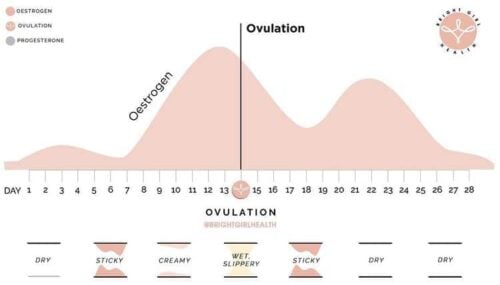
Timed intercourse improves the chance of pregnancy when sperm counts are modest. Your partner can use ovulation tools and practical timing tips to pinpoint the fertile window. Ovulation predictor kits detect the LH surge that precedes ovulation by about one day, which helps couples have sex on the most fertile days. Home pregnancy tests can be used from the expected period date to check for an early result. These tools do not treat male factor infertility, but they align timing with the best chance of success while medical treatment is underway.
Safety regulation and medical pathways in Australia
Clomid treatment should be planned and monitored by an Australian registered doctor. The Therapeutic Goods Administration oversees medicine quality and safety. Doctors follow local guidelines for assessment, prescribing and monitoring. Many men start with their GP who orders baseline tests and gives practical advice on weight, alcohol and smoking. If sperm are consistently low, if there is no sperm in the ejaculate or if hormones suggest a pituitary or testicular disorder, a referral to a fertility specialist or andrologist is made. Public and private pathways are available and Medicare rebates apply to many tests. Specialist care is important if surgery for varicocele is considered, if genetic testing is needed or if assisted reproduction is planned.

Frequently Asked Questions About Clomid for Male Fertility Australia
Is Clomid the same as taking testosterone
No. Clomid encourages your body to produce more of its own testosterone and sperm making hormones. Testosterone therapy can switch off sperm production and is not a fertility treatment.
How is Clomid different from other male fertility drugs
Clomid is an oral tablet that targets hormone signalling. Other options include hCG injections in selected men with pituitary causes of low testosterone, surgical repair of varicocele and assisted reproduction. Your care team will match treatment to test results.
Can I drink alcohol while on Clomid
Small amounts are unlikely to interact with the medicine but alcohol can impair sperm quality. Most specialists advise minimising alcohol during fertility treatment.
What side effects should prompt urgent review
Any visual change such as blurred vision or flashing lights requires prompt medical review. Persistent headaches, severe mood change or chest pain also need assessment.
Can Clomid improve erectile function
Some men notice better energy, libido and erections as testosterone rises. Results vary. If erection problems persist, your GP can assess other causes and treatments.
Can I buy Clomid online in Australia without a script
No. Clomid is a prescription medicine. Buying without a script risks unsafe doses and poor quality products. See your GP for an assessment and a monitored plan.
Your next steps if you are considering Clomid
If you and your partner have been trying for a year under age thirty five or for six months if the female partner is thirty five or older, book a GP appointment to start a male and female assessment together. Ask for a semen analysis and morning hormone tests and bring a list of medicines and supplements. If results point to a hormonal pattern that might respond to Clomid, your doctor can discuss benefits, risks and a monitoring schedule. Plan for at least three months of treatment to match the time it takes sperm to mature. Focus on healthy routines and align intercourse with the fertile window using ovulation tests so effort matches opportunity. Stay in touch with your care team and keep appointments for blood tests and semen checks so the dose can be adjusted. If results are not improving as hoped, early referral to a specialist helps you choose the next best step with confidence.
References
https://www.healthdirect.gov.au/male-infertility
https://www.healthdirect.gov.au/medicines/brand/amt,3575011000036105/clomid
https://www.healthdirect.gov.au/oestrogen
https://www.healthdirect.gov.au/testosterone
https://www.healthdirect.gov.au/pathology-test/semen-analysis
https://www.betterhealth.vic.gov.au/health/conditionsandtreatments/infertility-in-men
https://www1.racgp.org.au/ajgp/2018/december/male-infertility
https://www.andrologyaustralia.org/fact-sheets/male-infertility/
https://www.yourfertility.org.au/
https://www.healthdirect.gov.au/varicocele

Evan Kurzyp
Evan is the founder of Fertility2Family and is passionate about fertility education & providing affordable products to help people in their fertility journey. Evan is a qualified Registered Nurse and has expertise in guiding & managing patients through their fertility journeys.