
12 min read
Dec 2, 2025
Premenstrual syndrome (PMS): symptoms, causes and timing

Written by
Fertility2Family Team

Medically reviewed by
Evan Kurzyp, RN (AHPRA), BSN, Master of Nursing
Premenstrual syndrome is a pattern of physical, mental and sleep changes that appear after ovulation and settle once bleeding begins. In Australia, PMS is common and ranges from mild change to symptoms that disrupt work, study and relationships. The key feature is timing. Symptoms cluster in the luteal phase, ease within a day or two of a period starting, and are minimal or absent in the first half of the cycle. Because cycle changes can overlap with pregnancy, thyroid problems, iron deficiency, migraine and mood disorders, a clear record across two or three cycles is the best starting point. This guide explains what PMS is, why timing matters, how doctors in Australia assess it, which tests are useful, how to manage symptoms at home, when to see a GP, and how tools like ovulation and pregnancy tests fit into a practical plan.
Quick Answers About PMS
How long does PMS last each cycle?
Symptoms start after ovulation and most often cluster in the five to seven days before bleeding. They usually ease within a day or two of the period starting. If symptoms persist all month, book a GP review.
Is there a test that diagnoses PMS?
Diagnosis relies on timing across at least two cycles. Your GP may order tests to rule out pregnancy, thyroid or iron problems that can mimic PMS but there is no single blood test for PMS.
Can you have PMS without ovulation?
True PMS is tied to the luteal phase after ovulation. If cycles are anovulatory and symptoms are ongoing, another cause is more likely. Track two to three cycles and discuss the pattern with a GP.
What PMS is and how it presents
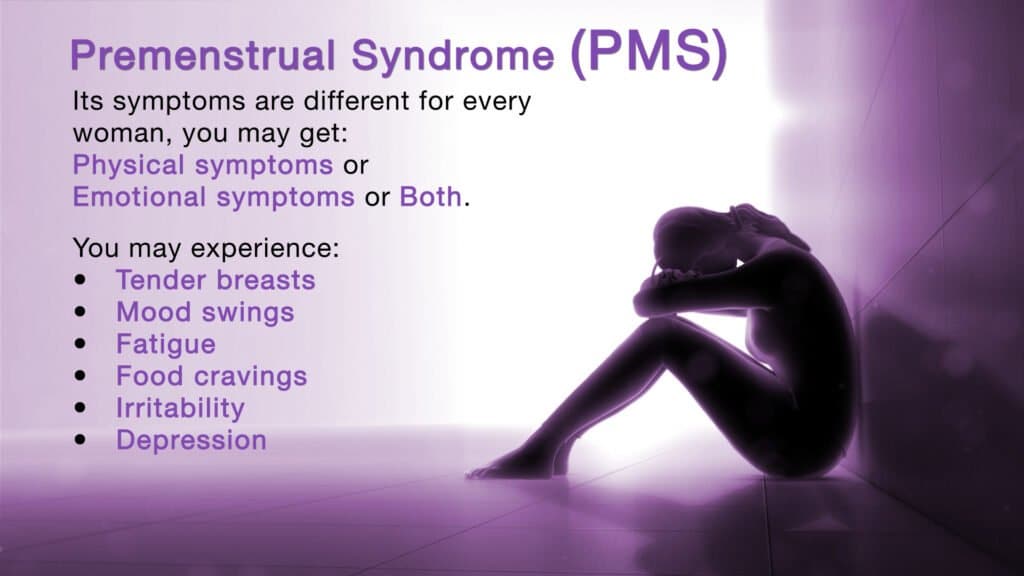
PMS is a recurring set of symptoms that appears in the luteal phase, eases with the onset of menstruation, and is absent or much milder in the follicular phase. Timing is more important than any single symptom. People commonly report breast tenderness, abdominal bloating, headaches, fluid retention, sleep disruption, irritability, low mood, anxiety, reduced focus and changes in appetite. The mix can vary month to month for the same person.
Premenstrual dysphoric disorder or PMDD is the severe end of the range. PMDD is defined by marked mood symptoms such as sudden sadness, anger, or conflict sensitivity along with physical or cognitive symptoms. The timing remains luteal and symptoms settle within days of bleeding starting. The difference is severity and functional impact, which guides when to seek medical support and consider structured treatment.
What causes PMS
Most research points to sensitivity to normal hormonal shifts rather than abnormal hormone levels. After ovulation, progesterone rises and oestrogen follows a different curve. Those shifts influence brain systems that affect mood, sleep, and how the body processes pain. Some people appear more sensitive to these normal changes, possibly due to differences in serotonin signalling, stress responses or fluid balance. That sensitivity can make usual luteal changes feel heavier and more disruptive.
Context matters. Poor sleep, high stress, lower physical activity, alcohol and smoking can increase the intensity of symptoms. Health conditions such as migraine, endometriosis or mood disorders can also flare premenstrually. There is no single cause that fits everyone, which is why a plan that blends lifestyle steps and, when needed, medical care tends to work best.

How PMS is diagnosed in Australia
In Australian practice, PMS is diagnosed by pattern and impact across at least two cycles. The core features are the late cycle timing, improvement with bleeding, and minimal symptoms in the first half of the cycle. A GP will ask when symptoms start, how long they last, which symptoms dominate, and how they affect daily function. A simple diary helps confirm luteal timing and separates PMS from conditions that persist across the whole month.
Doctors also consider PMDD if mood symptoms are severe and cause marked impairment. At the same time they look for conditions that can mimic PMS, such as pregnancy, thyroid disease, iron deficiency, migraine, anxiety or depression, perimenopause, and pelvic pain disorders including endometriosis. If heavy bleeding, severe cramps, or pain with sex are present, a gynaecology review may be arranged.

Tests your GP may order and what they involve
There is no single diagnostic blood test for PMS. Tests are used to exclude other causes and to guide care. A pregnancy test is often first if a period is late. Thyroid function tests and a full blood count can check for thyroid disease and anaemia. If cycles are irregular or symptoms are atypical, additional tests may be considered.
Cycle tracking remains the most practical way to confirm PMS. Record the first day of bleeding, the days symptoms start and stop, and any positive ovulation result. Ovulation tests identify the surge in luteinising hormone which signals that ovulation is approaching. If you are new to testing, begin earlier than expected and test at the same time each day. Products such as ovulation tests and home pregnancy tests can clarify timing without adding pressure.

Home management that often helps
Sleep regularity is the base. Keep a consistent wake time, reduce late caffeine, and keep light low in the hour before bed. Physical activity three or more days a week supports mood, sleep and pain thresholds. Gentle aerobic sessions and strength work can be adjusted in the days you expect lower capacity.
Steady meals help appetite swings. Aim for slow release carbohydrates, lean protein and vegetables at each meal. Reducing alcohol can improve sleep and lower mood swings. Heat packs and gentle stretching can ease cramps and pelvic heaviness with few side effects. Some Australians try magnesium or vitamin B6 for sleep or mood, and calcium for cycle related discomfort. Discuss supplements with your GP or pharmacist to confirm safe doses and check for interactions, especially if you are pregnant, breastfeeding or take regular medicines.
Short psychological strategies are useful for mood symptoms. Cognitive behavioural approaches replace unhelpful thoughts with small actions that fit lower energy days. Brief behavioural activation schedules simple, valued tasks that can still be done, which prevents the drop in activity that worsens mood. Mindfulness skills help people notice mood shifts without being pulled into them. Your GP can arrange a Mental Health Treatment Plan for subsidised sessions under Medicare, and telehealth is widely available.
When to see a GP or specialist in Australia
Book a GP review if PMS interferes with work, study or relationships, if you suspect PMDD, or if symptoms persist outside the luteal phase. Seek care urgently if you have thoughts of self harm or severe new headaches with visual change. See a GP if periods become much heavier or more painful than usual, if cycles shorten to less than twenty one days or extend beyond thirty five days over several months, or if cycles are unpredictable while trying to conceive. People over forty five who notice new cycle changes may be entering perimenopause and benefit from assessment of bleeding pattern, iron status, sleep, hot flushes, mood and migraine.
If severe pelvic pain, heavy bleeding or pain with sex are present, referral to a gynaecologist may be arranged to assess for endometriosis or adenomyosis. If mood symptoms dominate, your GP can discuss options such as selective serotonin reuptake inhibitors used daily or only in the luteal phase, with review of benefits and side effects over time.
PMS or early pregnancy
PMS and early pregnancy can feel similar. Both can bring nausea, breast tenderness, bloating, fatigue and mild cramping. Timing helps separate them. PMS settles when bleeding starts. Early pregnancy symptoms persist and periods do not arrive. If your period is late, use a home pregnancy test with first morning urine. If negative and there is still no period after forty eight to seventy two hours, retest. If negative again and amenorrhoea continues, see your GP.
If your cycles vary, use your last positive ovulation result or your usual luteal length to estimate when a period is due. People who track ovulation with strips or monitor basal body temperature often find it easier to judge when to test for pregnancy and when to expect premenstrual symptoms.

Planning for work, sport and study
Once you know your pattern, plan higher demand tasks for days when capacity is better and allow buffers for lower capacity days. In sport, dial down high intensity sessions during the days that reliably bring symptoms and shift focus to technique, mobility, skill or recovery. In study or work, break large tasks into small steps that can move forward even on low energy days. Share your plan with trusted people so they know what helps if irritability or low mood spikes. These small adjustments reduce friction and support a sense of control, which often lowers the impact of symptoms.
Teens, perimenopause and special situations
Teens often have irregular ovulation for several years after their first period. That can make PMS timing less predictable. A clear diary and a family GP who knows the history help. In perimenopause, hormone patterns shift across months and years, and premenstrual symptoms can intensify for some people. Evaluation focuses on bleeding, iron status, sleep, hot flushes, mood and migraine. If you have a history of anxiety or depression, plan supports early and share your cycle tracking with your GP.
People with endometriosis or chronic pelvic pain can blend pain management, pelvic physiotherapy and psychological support with premenstrual strategies so one condition does not aggravate the other. If you are trying to conceive, PMS does not reduce fertility but it can make the luteal phase feel less tolerable. Cycle tracking supports timing without extra pressure. Ovulation tests can identify the fertile window by detecting the LH surge. If you are unsure when to start testing, begin earlier and test at the same time each day.
How ovulation and pregnancy tests fit into PMS care
Knowing when ovulation occurs makes PMS easier to recognise and plan for. Ovulation testing detects the LH surge that precedes ovulation. When you confirm ovulation timing, you can anticipate the luteal phase and prepare sleep, training and social plans around days you expect lower capacity. If a period is late, a first morning urine pregnancy test provides a clear next step. If negative, retest after two to three days. If still negative with no bleeding, see your GP to check for other causes. People across Australia use ovulation strip tests to simplify timing and reduce guesswork.
Frequently Asked Questions About PMS Australia
Which over the counter options can help
Paracetamol or a non steroidal anti inflammatory can ease headaches, breast discomfort and pelvic pain when used as directed. A pharmacist can advise on safe choices with any regular medicines. Heat packs and gentle movement add relief.
Do supplements like magnesium, vitamin B6 or calcium help
Some people report benefit from magnesium or vitamin B6 for sleep or mood and calcium for cycle related discomfort. Evidence is mixed and dosing must be safe. Discuss choices with your GP or pharmacist, especially during pregnancy or while breastfeeding.
Can the Pill help PMS
Some combined oral contraceptives reduce ovulation related symptoms in selected patients. Suitability depends on migraine, clot risk, smoking status, blood pressure and goals for contraception or conception. Your GP can review benefits and risks after a trial.
What about hormonal IUDs or implants
Progestin devices can improve bleeding control and cramps and may help some mood or physical symptoms. Responses vary. If mood changes worsen after insertion, see your GP early to adjust the plan.
Does PMS change after childbirth or while breastfeeding
Cycles can be irregular for months after birth and ovulation may be delayed during breastfeeding. PMS often returns when ovulation resumes. If mood symptoms are prominent, a GP can help separate premenstrual change from postnatal mood disorders and plan care that is safe for lactation.
How do I access Australian care for PMDD or severe PMS
Start with your GP and bring a two to three cycle diary. Your GP can create a Mental Health Treatment Plan, refer to a psychologist, and discuss SSRIs used daily or only in the luteal phase. If pelvic pain, heavy bleeding or dyspareunia are present, a gynaecology referral may be arranged.
Build your personal plan
Begin with two or three cycles of simple tracking. Note the first day of bleeding, any positive ovulation result and when symptoms start and stop. Confirming luteal timing shortens the path to care that works. Choose one change for sleep, one for movement and one stress support you can keep up even on low energy days. If your period is late, use a home pregnancy test with first morning urine, then retest after forty eight to seventy two hours if needed. If cycles vary or you are unsure when to test, start ovulation testing a little earlier and test at the same time each day. Bring your record to your GP to discuss whether your pattern fits PMS or PMDD and to tailor options. If your plan includes products like ovulation tests or pregnancy tests, use them to reduce guesswork, not to add pressure. Review what helps after three cycles and adjust with your GP.
References
https://www.healthdirect.gov.au/premenstrual-syndrome-pms
https://www.healthdirect.gov.au/premenstrual-dysphoric-disorder-pmdd
https://www.jeanhailes.org.au/health-a-z/periods/premenstrual-syndrome-pms
https://www.betterhealth.vic.gov.au/health/conditionsandtreatments/premenstrual-syndrome-pms
https://www.healthdirect.gov.au/periods
https://www.health.gov.au/topics/sexual-and-reproductive-health/menstruation


