12 min read
Dec 1, 2025
When Should You Have Sex After a Positive LH Surge?

Written by
Fertility2Family Team

Medically reviewed by
Evan Kurzyp, RN (AHPRA), BSN, Master of Nursing
Planning intercourse around a positive luteinising hormone test can feel like guesswork. You do not need a complex schedule. A positive ovulation test means LH has risen and ovulation is likely within about one to two days. The most practical plan is simple. Have sex the day you first see a clear positive, then again the next day. If you usually see fertile cervical mucus before your surge, sex the day before the expected positive also helps because sperm can wait in the reproductive tract for the egg. This approach covers the highest probability days without pressure for daily sex across the entire cycle. If your cycles vary or you have a condition such as polycystic ovary syndrome, combining LH testing with cervical mucus and a way to confirm ovulation after the event gives the clearest picture.
Quick Answers About Sex After an LH Surge
How soon should we have sex after a positive LH test Have sex on the first clearly positive day and again the next day. This usually covers the day before ovulation and the day of ovulation, which carry the highest chance of pregnancy for most cycles.
Can you conceive without ever seeing a positive LH test Yes. You can miss a short surge, test after the peak, or dilute urine with fluids. Test at a consistent time, reduce fluids for an hour beforehand, and pair LH testing with fertile cervical mucus tracking to improve timing.
Is morning or evening best for LH testing Late morning to evening suits many people because urinary LH is often easier to detect. Test at the same time each day, limit fluids beforehand, and add a second test later the same day if your surges are brief or cycles vary.
What an LH surge is and why it predicts ovulation
Luteinising hormone is made by the pituitary gland in the brain. During the first half of the cycle, growing follicles in the ovary release oestrogen. When oestrogen reaches a threshold, the brain sends a short, sharp rise in LH. This surge matures the dominant follicle and triggers the release of the egg into the fallopian tube. Home ovulation tests measure LH in urine, so a rise on a strip or digital reader acts as a near term predictor of ovulation rather than proof that ovulation has already happened.
Most people ovulate within about twenty four to thirty six hours after the LH surge begins. Many releases happen eight to twenty hours after the true peak of LH, which may appear as your darkest strip or a solid digital positive. The egg can be fertilised for only about twelve to twenty four hours after release. Sperm survive for up to five days in fertile cervical mucus and the upper reproductive tract. This timing is why the day before ovulation and the day of ovulation are the highest probability days, and why aiming for sex on the first positive and the next day works well.

Why LH results vary and common causes of confusing patterns
Not every cycle shows a single neat day of strong positives. Some people see a one day spike that turns negative the next day. Others have a two day plateau of positives before a clear drop. There can also be a biphasic pattern where a first rise fades then a second rise precedes ovulation. These patterns reflect normal differences in follicle development and how quickly the body clears LH from urine. Time of day and urine dilution change how intense a line looks. Testing late morning to evening and easing back on fluids for an hour beforehand makes a positive easier to detect.
Medical conditions and life factors can blur the picture. People with polycystic ovary syndrome often have higher baseline LH, which can produce frequent positives that do not always signal imminent ovulation. Thyroid disease, raised prolactin, recent hormonal contraception, peri menopause, high training loads and significant stress can delay or disrupt ovulation. Night shift work can shift the timing of hormonal release, so it is better to anchor testing to your personal wake time. In these settings, combine LH testing with cervical mucus observations and a confirmation method after suspected ovulation. If your cycles are often outside twenty one to thirty five days or you go many months without clear patterns, a GP review in Australia is sensible.
How ovulation is confirmed in Australia
Prediction and confirmation are different tasks. An LH rise predicts ovulation is close. Confirmation shows that ovulation actually took place. In Australia, mid luteal progesterone is the standard laboratory check. Progesterone is made by the corpus luteum after the egg is released. A blood test taken about seven days before your next expected period can confirm a progesterone rise consistent with ovulation and a functioning luteal phase.
Urinary pregnanediol glucuronide, called PdG, is a breakdown product of progesterone that can be checked with at home kits. A sustained rise in PdG across several mid luteal days supports that ovulation occurred. Basal body temperature tracking is another option. Progesterone raises resting temperature by a few tenths of a degree. Taking your temperature at the same time on waking can show a step up pattern over at least three mornings. The day before the first higher reading is often the ovulation day. Temperature confirms after the fact, so it works best beside LH testing to plan intercourse.

Using ovulation tests at home and what the results mean
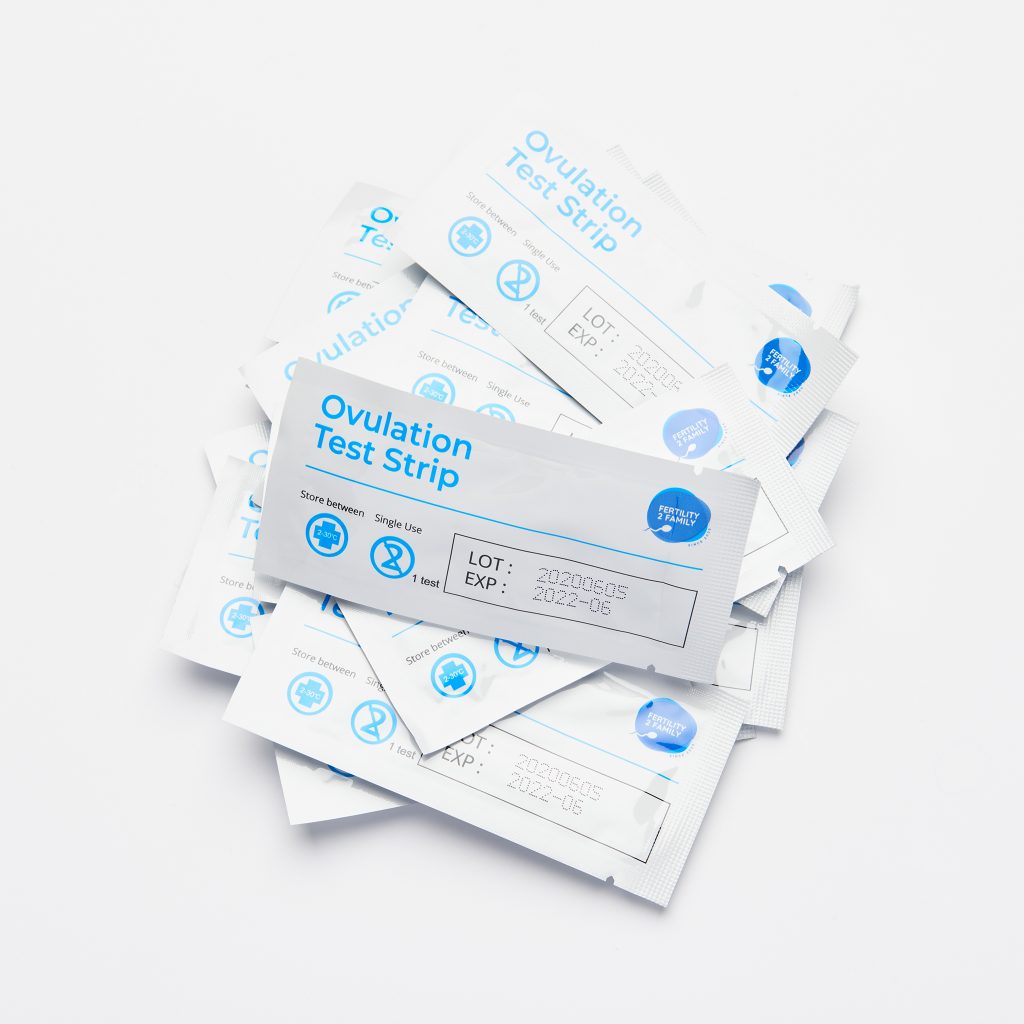
At home ovulation tests detect LH in urine using a dip and read strip or a midstream device. Start earlier than you think you need if your cycles vary. Many people begin two to three days before the time they usually expect a surge. Test at roughly the same time each day between late morning and evening. Read the result at the time the manufacturer directs to avoid confusion from evaporation lines. For line based strips, a test line that is as dark or darker than the control line is usually a positive. Digital devices remove guesswork by displaying a clear symbol when LH crosses a set threshold.
If your strips bounce between almost positive and positive within the same day, treat the first clear positive as your timing trigger. Record results and cervical mucus changes in an app or diary so patterns are easier to see across months. If you work nights, align testing to your wake time and keep your routine consistent. Reduce fluids for about an hour before testing so the sample is not overly dilute.
Timing sex after a positive test, including multi day surges
If your first positive appears in the evening, count that as your first fertile timing. Have sex that night or later that evening, then again the next day. If the test remains positive on day two, another attempt that night is reasonable. This plan keeps coverage across the most fertile days without daily pressure. For couples who prefer a steady rhythm, every second day across the fertile window remains a sound option because sperm can live in cervical mucus and the upper tract for several days.
Some people see positives over two days. Ovulation often follows the final day of strong positives rather than the first hint of a rise. In practice, have sex on the first positive, repeat on the next day, and consider one more attempt if tests stay strongly positive on day two. If you anticipated your surge because you noticed clear, stretchy cervical mucus, sex the day before the expected positive places sperm in position before egg release.
When surges are biphasic or irregular, treat each clearly positive day as fertile until you see signs that ovulation has passed. A temperature shift or a mid luteal progesterone rise can provide the reassurance that the fertile window is closed for that cycle. If this pattern repeats often, discuss it with your GP to rule out causes such as PCOS or thyroid issues and to plan suitable monitoring.

When to see a GP or specialist in Australia
Most healthy couples conceive within six months of well timed intercourse. In Australia, if you are under thirty five and have tried for twelve months without success, book a review with your GP. If you are thirty five or older, seek advice after six months. Earlier review is sensible at any age if cycles are very irregular, if you have known endometriosis or a history of pelvic inflammatory disease, if there has been chemotherapy or pelvic surgery, or if there are concerns about semen quality. Your GP may arrange tests for ovulation, thyroid function, prolactin, and a semen analysis, and can refer to a fertility specialist accredited by RANZCOG if needed.
A basic workup often includes checking whether ovulation is happening, whether the fallopian tubes are open, and whether semen parameters are within range. Early assessment prevents long periods of uncertainty and allows targeted support such as ovulation induction when appropriate. For those who need precise timing because of limited opportunities for sex, targeted follicular ultrasound through a specialist service can map the dominant follicle and help predict the likely day of release.
How fertility products fit into your plan
Home tests and simple tools support timing but they do not replace medical care when that is required. Ovulation tests help you predict when to have sex. Recording cervical mucus changes gives you an early green light that the fertile window is opening. A basal thermometer can confirm ovulation after the fact by showing a sustained rise in waking temperature. Mid luteal progesterone blood tests and urinary PdG kits are helpful if you want an objective check that ovulation occurred.
Keep the sales side simple. Choose one brand of LH tests and learn its instructions so you read positives consistently. Use a sperm friendly lubricant if you need moisture and avoid products that impair movement. If you prefer fewer attempts, focus on the first positive and the next day. If you prefer a steadier pattern, every second day from the start of fertile mucus until the day after your last positive works well for many couples. If confusion persists, use the data you have gathered to talk with your GP.
Frequently Asked Questions About Sex After an LH Surge Australia
Can intercourse change an LH test result Intercourse does not affect urinary LH. Frequent urination or heavy fluids can dilute urine and hide a surge. Try to limit drinks for about an hour before testing and read the strip at the directed time.
Do age and egg reserve change the best timing The best timing remains the day of the first positive and the day after. Age lowers monthly chance of conception, but the fertile window does not move in a different way. Good timing still matters at every age.
What if I never see egg white cervical mucus Some people notice little or no stretchy mucus due to hydration, antihistamines or natural variation. You can time intercourse using LH tests alone and a steady every second day plan across the likely fertile days. Consider a sperm friendly lubricant if needed.
Will pain relief or common medicines affect LH tests Most vitamins and everyday medicines do not change LH strips. Fertility drugs can change results. An hCG trigger can create a short false positive. Clomiphene and letrozole shift when the surge appears. Follow your doctor’s plan if using these.
When should I take a pregnancy test after a surge If you ovulated, human chorionic gonadotropin from an early pregnancy becomes detectable about twelve to fourteen days after ovulation. Testing too early can give a negative result even if you are pregnant. Waiting until the day a period is due reduces guesswork.
What if my LH tests stay positive for many days Two day positives are common. Longer runs of positives or frequent positives across a cycle can happen with baseline variation or conditions like PCOS. Time sex on the first clearly positive day and the next day, then confirm ovulation. See your GP if this repeats.

Your next steps if you are timing sex after an LH surge
A clear plan helps remove pressure. Begin testing a little earlier than you expect your surge, test at a consistent time, and ease back on fluids beforehand. Use cervical mucus as your early guide that fertility is rising. When the first test turns clearly positive, have sex that day and the next day. If positives continue on day two, a third attempt that evening is reasonable. If you prefer a calmer rhythm, every second day from the start of fertile mucus until the day after your last positive is a reliable pattern for many couples. Confirm ovulation after the event with a temperature shift on your basal thermometer, a mid luteal progesterone blood test arranged by your GP, or an at home PdG kit if you want added reassurance. If cycles are irregular, if tests are frequently unclear, or if pregnancy has not happened within the timeframes above, book a review with your GP. Fertility2Family provides Australian ovulation tests, basal thermometers and pregnancy tests that fit neatly into this plan so you can track with confidence and talk with your doctor using clear records.
References
https://www.healthdirect.gov.au/menstruation
https://www.betterhealth.vic.gov.au/health/conditionsandtreatments/ovulation
https://www.pregnancybirthbaby.org.au/ovulation-and-fertility
https://www.yourfertility.org.au/everyone/timing
https://ranzcog.edu.au/womens-health/patient-information-resources/infertility
https://www.jeanhailes.org.au/health-a-z/fertility/pregnancy-planning
https://shinesa.org.au/health-information/sexual-health/fertility-awareness/
https://www.health.nsw.gov.au/kidsfamilies/MCFhealth/maternity/Pages/pre-pregnancy.aspx