On this page
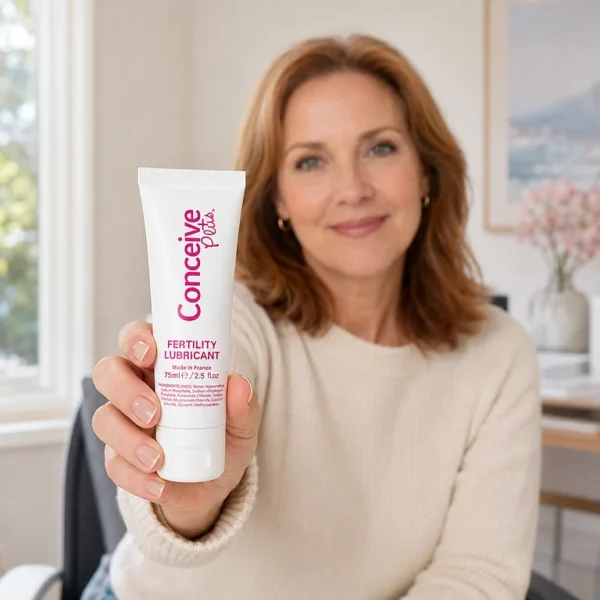
If you are trying to conceive, lubricant can suddenly feel like one more thing you have to get exactly right. The useful answer is simpler. Conceive Plus is there to make intercourse more comfortable when extra lubrication helps; the fertility strategy still comes from timing intercourse across the fertile window.
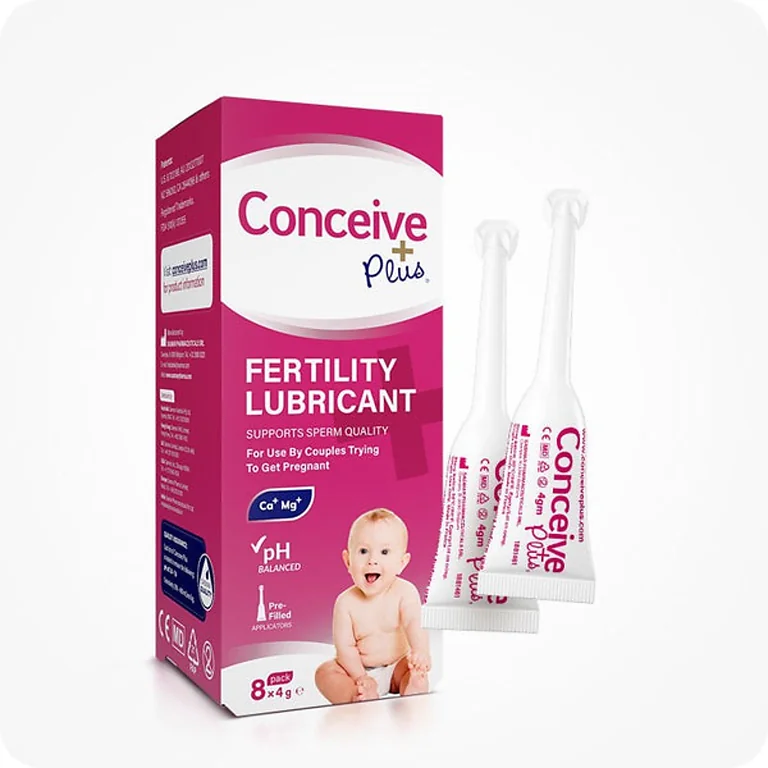
For the products currently sold in Australia, the 75 mL tube and the 4 g pre-filled applicators are used differently. The tube is applied before intercourse and can be reapplied when needed, while an applicator is inserted vaginally and may be used about 10 to 15 minutes before sexual activity. Neither format triggers ovulation, treats infertility or guarantees pregnancy.
Quick answers about how to use Conceive Plus
How do you use Conceive Plus?
For the 75 mL tube, apply the lubricant before intercourse to the penis and/or vaginal area and reapply if more lubrication is needed. For a pre-filled applicator, remove the tamper tab, insert the narrow end vaginally, squeeze the bulb two to three times, withdraw while still squeezing, then discard it after one use.
How much Conceive Plus should you use?
The current Australian manufacturer page for the 75 mL tube describes a teaspoon-sized amount before intercourse, while each pre-filled applicator contains 4 g. Use the amount directed for your format, and let the instructions supplied with your current pack take priority if online wording differs.
Does Conceive Plus help you get pregnant?
Conceive Plus is designed to provide lubrication in a sperm-friendly format. That is different from proving a higher pregnancy or live-birth rate. Human evidence has not established that using a fertility-friendly lubricant itself increases fecundability compared with not using lubricant.
What is Conceive Plus and what does it actually do?
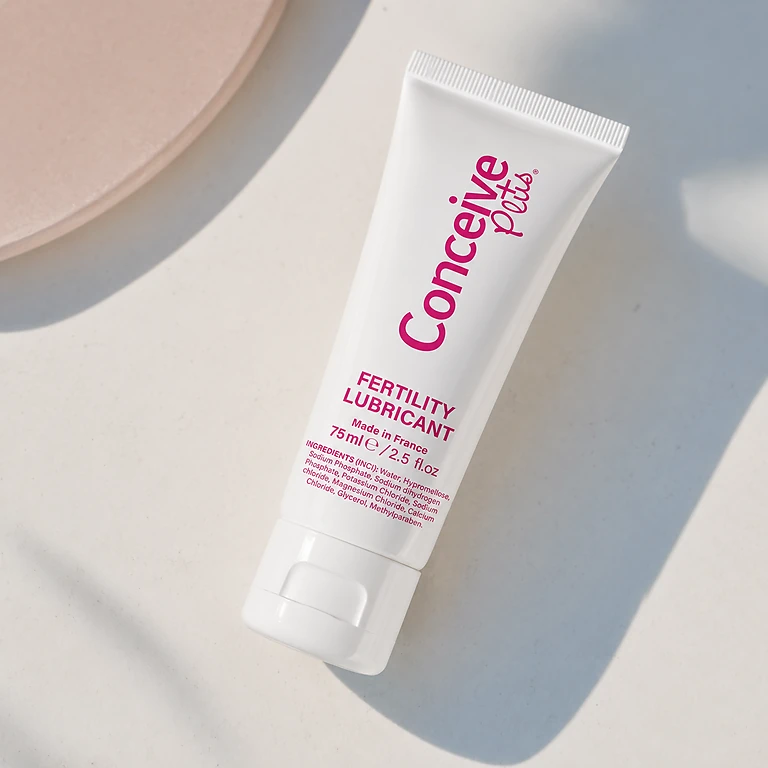
Conceive Plus is a personal lubricant marketed for people who are trying to conceive. You may also see it described as Conceive Plus gel, Conceive Plus lube or a sperm-friendly fertility lubricant. Its immediate job is straightforward: reduce friction and make intercourse more comfortable when extra moisture is useful.
The fertility-specific question is whether a lubricant is suitable when sperm exposure is possible. Laboratory research shows that lubricants can differ in their effects on sperm motility, vitality and other sperm-quality measures, which is why a purpose-made sperm-safe product can be a sensible choice when lubricant is needed.
That does not make lubricant a fertility treatment. It cannot create ovulation, correct blocked fallopian tubes, improve egg quality or treat a sperm problem. If you are still deciding what “fertility friendly” really means, our guide to fertility-friendly lubricant when trying to conceive looks at the wider evidence without making one brand the default choice.
How to use the Conceive Plus 75 mL tube
The tube is the flexible option because you control how much you dispense. The current Australian manufacturer page describes a teaspoon-sized amount before intercourse and says it can be reapplied as required. Australian pharmacy information describes penile and/or vaginal application.
- Check the seal, expiry date and directions on the tube you have before first use.
- Apply the directed amount to the penis and/or vaginal area before intercourse.
- Reapply during intercourse if more lubrication is needed and the current label allows it.
- Replace the cap after use and store the tube according to the pack instructions.
If a squeezable multi-use format suits you, the Conceive Plus 75 mL tube is the relevant Fertility2Family product page for current pack options and purchasing. The instructions on the physical pack should still be your final reference for use.
How to use Conceive Plus pre-filled applicators
Pre-filled applicators are different from the tube because the lubricant is already measured and applied internally. Each applicator contains 4 g and is designed for single use, so it is worth following the applicator method rather than borrowing the tube instructions.
- Check that the tamper-evident tab is intact, then hold the applicator with the narrow end facing upwards.
- Twist off the tab and gently insert the narrow end into the vagina.
- Squeeze the bulb two to three times to deposit the lubricant.
- Withdraw the applicator while continuing to squeeze the bulb.
- Discard it after use. Do not store an opened applicator or reuse it.
Current Australian directions say an applicator may be used about 10 to 15 minutes before sexual activity so the lubricant can disperse. If you prefer this measured format, see the Conceive Plus 4 g pre-filled applicators. If the pack in your hand says something different, follow the pack.
When should you use Conceive Plus around ovulation?
Use Conceive Plus when you are having intercourse and extra lubrication would make sex more comfortable. You do not need to use it simply because you are fertile if intercourse is already comfortable. The important fertility question is whether intercourse is happening during the days when sperm may still be present when ovulation occurs.
Australian guidance places the fertile window across the five days before ovulation and the day of ovulation. If cycle timing feels uncertain, start with the fertile window and ovulation timing rather than trying to identify one perfect hour.
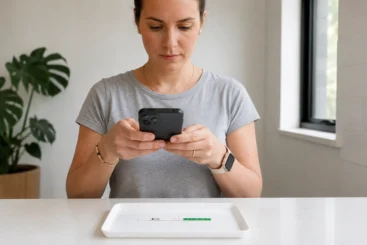
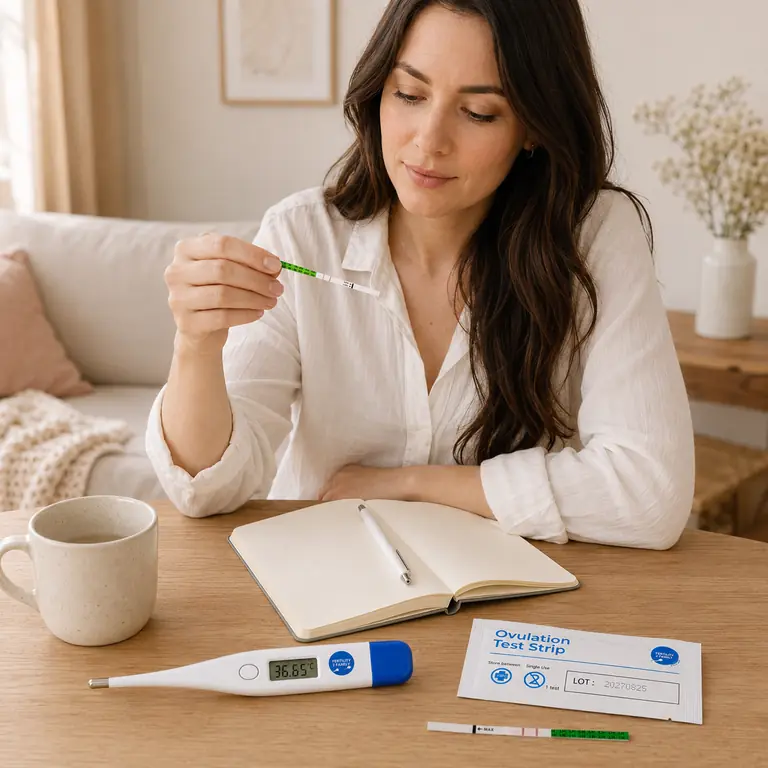
Urine ovulation predictor kits detect a rise in luteinising hormone, or LH. Pregnancy, Birth and Baby advises that a positive result usually indicates ovulation within about 24 to 36 hours. A 2023 Cochrane review also found that timed intercourse using urinary ovulation detection probably improves pregnancy and live-birth outcomes in women under 40 who had been trying for less than 12 months, although the evidence still has limitations.
If LH testing would make timing easier, you can compare ovulation tests in Australia without changing how Conceive Plus itself is used. Once you see a positive result, our guide to when to have sex after an LH surge explains how to use that signal without turning it into a countdown clock.
How much Conceive Plus should you use?
More lubricant does not mean more fertility. For the current Australian 75 mL tube, the manufacturer describes a teaspoon-sized amount before intercourse. Each pre-filled applicator already contains a measured 4 g amount.
Use enough to reduce friction and make intercourse comfortable, then follow the reapplication directions for your format if you need more. There is no good evidence that extra lubricant carries sperm further, improves fertilisation or raises pregnancy rates.
If vaginal dryness is new, persistent or painful, it is reasonable to look beyond the amount of lubricant. Hormonal changes, medicines, irritation and other vulvovaginal conditions can all contribute. A GP can help if dryness is ongoing, uncomfortable or changing your sex life.
Conceive Plus tube or applicators: which format is easier to use?
The tube and applicators contain the same brand of fertility lubricant but suit different routines. The tube gives you flexible dispensing and can be reused according to the pack directions. The applicator gives you a measured 4 g internal application and is discarded after one use.
Neither format has been shown to produce a higher pregnancy rate than the other. Choose the one you are most likely to use comfortably and correctly. If you want to see the formats together before deciding, the Conceive Plus fertility lubricant range keeps that shopping decision separate from the medical evidence.
How does Conceive Plus work, and what does the evidence actually prove?
This is where product marketing and medical evidence need to stay separate. Conceive Plus is sold as a fertility-friendly lubricant, and its Australian product information describes a pH-balanced formulation containing calcium and magnesium ions. Those are formulation and sperm-compatibility claims; they are not evidence that the product increases pregnancy or live-birth rates.
A 2024 systematic review of 20 studies found meaningful differences between lubricants and highlighted pH and osmolality as important characteristics when sperm are exposed in laboratory conditions. A 2023 Human Fertility study also found product-dependent changes in donor sperm motility and velocity, with specialist sperm-friendly products generally performing better than conventional pleasure lubricants in that laboratory model.
The most current clinical recommendation located for this review comes from the 2026 Fifth International Consultation for Sexual Medicine. It gives a strong recommendation that couples trying to conceive who need lubrication use a sperm-safe lubricant. The guidance does not identify one fertility-lubricant brand as clinically superior; preference, availability and cost remain part of the choice.
Human pregnancy outcomes answer a different question. A prospective cohort of 6,467 pregnancy planners found that lubricant use, including water-based pH-balanced fertility-friendly products, was not associated with reduced fecundability. It also did not show that a fertility-friendly lubricant increased fecundability. That 2018 study is older than most sources here, but it remains within 10 years and directly addresses time to pregnancy.
The practical takeaway is narrow but useful: if you need lubricant while trying to conceive, choose a sperm-safe product and use it as directed. Comfort and sperm compatibility can matter, but neither should be turned into a promise that the lubricant itself will make pregnancy happen.
Conceive Plus vs Pre-Seed, SKYN Oh Baby and Forelife: what is the difference?
Brand comparisons are useful only when they keep product claims and clinical outcomes separate. Australians may come across Conceive Plus, Pre-Seed, SKYN Oh Baby and Forelife FertilityCare when looking for a sperm-friendly lubricant, but there is no recent clinical evidence in the sources reviewed here showing that one of these brands produces more pregnancies or live births than the others.
| Product | What current information says | Evidence takeaway |
|---|---|---|
| Conceive Plus | Available in a multi-use tube and 4 g pre-filled applicators; Australian product information describes a pH-balanced formulation with calcium and magnesium ions. | Designed as a sperm-friendly lubricant. The evidence reviewed does not establish a pregnancy or live-birth advantage over competing fertility lubricants. |
| Pre-Seed | Manufacturer information describes an isotonic, pH-balanced fertility lubricant supplied with disposable applicators. | A 2025 laboratory study found the least negative sperm effect among five tested lubricants under those conditions. The manufacturer states it does not have pregnancy-rate data. |
| SKYN Oh Baby | Australian product information describes a water-based, pH-balanced sperm-friendly lubricant used before or during sex. | The sperm-mobility and survival statements are manufacturer product claims. A direct clinical pregnancy comparison with Conceive Plus was not identified in this review. |
| Forelife FertilityCare | Australian-made 100 g non-spermicidal personal lubricant marketed for intercourse while trying to conceive. | Current product information supports its intended sperm-friendly use. A direct clinical pregnancy comparison with Conceive Plus was not identified in this review. |
So, is Conceive Plus better than Pre-Seed? The evidence does not support a simple winner. Pre-Seed has favourable recent laboratory sperm data, while Conceive Plus has its own formulation and Australian use directions. Laboratory differences should not be converted into a claim that one brand gives a higher chance of pregnancy.
If you are choosing between brands, compare whether the product is intended for trying to conceive, how it is applied, what the current label says, whether the format suits you and how transparent the evidence is. That is more useful than treating a marketing claim as a fertility outcome.
Can Conceive Plus affect an ovulation test?
Conceive Plus and an ovulation test have different jobs. The lubricant is used around intercourse; an OPK tests urine for an LH rise. Keep lubricant out of the urine sample and off the test device, and follow the collection and reading instructions for the exact test you are using.
If you prefer low-cost repeat testing, ovulation test strips can be used across several days to look for the LH rise. If a result does not match what you expected, our guide to ovulation test accuracy in Australia explains what a positive or negative OPK can and cannot confirm.
What should you avoid when using Conceive Plus?
The most common practical mistakes are mixing up the tube and applicator directions, assuming that more lubricant means a better chance of conception, or reusing a single-use applicator. None of these makes the fertile window more effective. Follow the format-specific instructions and use the amount needed for comfortable intercourse.
It is also worth keeping lubricant separate from urine testing. If you use a cup or dip-strip OPK, collect the sample according to that test’s instructions before handling lubricant. If you use midstream ovulation tests, the same principle applies: the test is measuring urinary LH, not the lubricant.
Current Australian pharmacy information advises stopping Conceive Plus if irritation occurs and speaking with a doctor if it persists. Healthdirect notes that lubricants can contribute to vulval or vaginal irritation, but infections and other conditions can produce similar symptoms. If discomfort does not settle, feels unusual for you, or comes with concerning discharge or pain, a GP can help work out the cause.
Can you use Conceive Plus with IUI or IVF?
During IUI, IVF, ovulation induction or another monitored fertility cycle, your clinic’s instructions take priority over general internet advice. The Australian pharmacy listing for Conceive Plus states that the product is not designed for home insemination procedures, so do not use it as an insemination medium unless your treating clinic has specifically directed you to do so.
If intercourse timing and home tracking have not led to pregnancy, changing lubricant repeatedly is not a fertility assessment. Depending on your circumstances, a broader review may include ovulation history, reproductive health and a male fertility assessment when a male partner contributes sperm.

Frequently Asked Questions about Conceive Plus Fertility Lubricant in Australia
How long before intercourse should I use Conceive Plus?
The current Australian directions say a pre-filled applicator may be used about 10 to 15 minutes before sexual activity. The tube is applied before intercourse and can be reapplied when more lubrication is needed. Follow the exact directions supplied with your current product.
Can I use Conceive Plus every day during my fertile window?
The current Australian tube page describes the product as suitable for daily use when used as directed. You do not need to use it simply because you are fertile if intercourse is already comfortable, and ongoing lubricant use should not delay fertility assessment when review is due.
Can Conceive Plus affect an ovulation test result?
Conceive Plus does not form part of an LH urine test. Keep lubricant out of the urine sample and off the test device, wash your hands if needed, and follow the collection and reading directions for your exact ovulation test.
Can Conceive Plus cause irritation or infection?
Lubricants can sometimes irritate vulval or vaginal tissue, while thrush, bacterial vaginosis, STIs and other conditions can cause similar symptoms. Stop using the product if irritation develops and seek medical advice if symptoms persist, worsen or concern you.
Is Conceive Plus better than Pre-Seed?
There is no recent clinical evidence in the sources reviewed here showing that Conceive Plus produces higher pregnancy or live-birth rates than Pre-Seed, or vice versa. Recent laboratory evidence for Pre-Seed is favourable, but laboratory sperm results do not prove a pregnancy-rate advantage.
Do I need Conceive Plus if I already have egg-white cervical mucus?
Not necessarily. Clear, slippery, stretchy cervical mucus is part of the body’s fertile-window changes. If intercourse is already comfortable, extra lubricant may not be needed. If you do need lubrication, use the sperm-friendly product according to its current directions.
Next Steps in Australia
If you are using Conceive Plus this cycle, keep the plan simple. Use the format you have according to its current directions, use it when extra lubrication helps, and let fertile-window timing rather than the lubricant carry the fertility strategy.
Australian guidance advises speaking with a doctor if pregnancy has not occurred after 12 months of trying when you are under 35, or after 6 months when you are 35 or older. Seek advice earlier if you already have fertility concerns. Our guide to when to seek fertility advice in Australia explains what that next step can look like.
✓ Medically reviewed by Evan Kurzyp, RNLast reviewed Next review August 2027
References18 sources
Fertility2Family articles are researched using Australian Government health guidance, professional clinical recommendations and peer-reviewed medical literature. The references below were used to research and medically review this article and provide additional reading for readers who want to explore the evidence in more detail.
You can read how we research, write and check our health information in our editorial and medical review policy, and see who reviews our articles and their clinical credentials.
- Conceive Plus Australia. Conceive Plus Fertility Lubricant Tube – Fertility Friendly Lubricant
Current Australian manufacturer information for the 75 mL tube, including teaspoon-sized web guidance, application before intercourse, reapplication as required and daily-use wording. - Conceive Plus Australia. Conceive Plus Fertility Lubricant Pre-Filled Applicators – Fertility Friendly Lubricant
Current Australian manufacturer directions for 4 g single-use applicators, including seal checks, vaginal insertion, squeezing technique, disposal and application about 10 to 15 minutes before sexual activity. - Chemist Warehouse. Conceive Plus Fertility Lubricant Applicators 8 x 4g
Current Australian pharmacy information covering applicator directions, irritation warnings, single-use requirements and the statement that the product is not designed for home insemination procedures. - Your Fertility. Lubricants
Australian fertility education advising people who need lubricant while trying to conceive to choose a product shown in studies to be safe and sperm-friendly. - Pregnancy, Birth and Baby. Ovulation and fertility
Australian consumer guidance on the fertile window, urinary LH testing and the meaning of a positive ovulation predictor result, including the practical 24 to 36 hour timeframe. - Healthdirect Australia. Planning for your pregnancy
Australian preconception guidance covering intercourse around ovulation and when to seek medical advice for possible fertility problems based on age, time trying and individual concerns. - Healthdirect Australia. Vaginal and groin irritation and infection
Australian guidance explaining common causes of vulval and vaginal irritation, including lubricants, hormonal changes and infections, plus when persistent symptoms should be medically assessed. - Healthdirect Australia. Vaginal discharge
Australian guidance describing normal cycle-related discharge, concerning changes and associated symptoms that may warrant medical assessment, including pain, itching, bleeding and lower abdominal pain. - American Society for Reproductive Medicine. Optimizing natural fertility: a committee opinion (2022)
Professional fertility guidance covering fertile-window timing, intercourse frequency and lubricant evidence, including in-vitro sperm effects and the distinction between laboratory findings and human fecundability. - Journal of Applied Toxicology. A systematic review focused on lubricant use and sperm quality: Improving human reproductive success by informing lubricants toxicity
A 2024 systematic review of 20 studies examining lubricant composition, pH, osmolality and their relationships with sperm motility, chromatin integrity and other sperm-quality outcomes. - Human Fertility. Sperm toxicity testing on lubricant gels: should we be recommending ‘fertility-friendly’ specialist products?
A 2023 laboratory study comparing specialist sperm-friendly and conventional lubricant gels, finding product-dependent effects on donor sperm motility and velocity under controlled exposure conditions. - BJOG. Lubricant use during intercourse and time to pregnancy: a prospective cohort study
A prospective cohort of 6,467 pregnancy planners examining lubricant use and time to pregnancy, finding no association between lubricant use and reduced fecundability in the studied cohorts. - Cochrane Database of Systematic Reviews. Timed intercourse for couples trying to conceive
A 2023 systematic review finding that urine-based ovulation prediction probably improves pregnancy and live-birth outcomes in women under 40 trying to conceive for less than 12 months. - JBRA Assisted Reproduction. The effects of coital lubricants on sperm motility and vitality
A 2025 laboratory study of 20 normozoospermic donors comparing five lubricants, with Pre-Seed showing the least negative effect on sperm parameters under the study conditions. - Sexual Medicine Reviews. Sexual dysfunctions in male patients with infertility: recommendations from the Fifth International Consultation for Sexual Medicine (ICSM 2024)
A 2026 evidence-and-consensus guideline strongly recommending sperm-safe lubricants when couples trying to conceive need lubrication, with product choice guided by preference, availability and cost. - First Response. Pre-Seed™ Fertility Lubricant
Current manufacturer information describing Pre-Seed as an isotonic, pH-balanced fertility lubricant supplied with disposable applicators and explicitly stating that pregnancy-rate data are not available. - SKYN Australia. SKYN® Oh Baby Sperm-friendly Lubricant
Current Australian manufacturer information describing a water-based, pH-balanced sperm-friendly lubricant, with directions for use before or during sex and advice to stop if irritation occurs. - Forelife. Forelife™ Fertility Care™ Sperm-Safe Personal Lubricant (Non-Spermicidal)
Current Australian manufacturer information describing a 100 g, Australian-made and owned, non-spermicidal personal lubricant intended for intercourse while trying to conceive or when extra lubrication is required.