11 min read
May 2, 2026
How to Use Conceive Plus Fertility Lubricant

Written by
Fertility2Family Team

Medically reviewed by
Evan Kurzyp, RN, BSN, Master of Nursing
AHPRA registration: NMW0002424871
Trying to conceive is a mix of timing, good general health, and removing avoidable barriers. Lubrication is a common barrier that many couples do not realise. Some everyday lubricants are too acidic or too concentrated for sperm, which slows movement and reduces survival. A fertility lubricant aims to match the conditions sperm expect on fertile days, so comfort does not come at the cost of compatibility. Conceive Plus is a sperm friendly, water based lubricant with an isotonic design and a pH that sits in the fertile range. It also includes calcium and magnesium ions that are found in reproductive fluids. This article explains how fertility lubricants fit into an Australian trying to conceive plan, what the lab evidence can and cannot show, how to use products correctly, and when to speak with a GP or specialist.
Quick Answers About Conceive Plus Fertility Lubricant
Does Conceive Plus increase the chance of pregnancy
It does not treat infertility. It is formulated to be sperm friendly and to match fertile pH and concentration, which supports motility rather than hindering it when used on fertile days.
When should I use it for best results
Use it around your LH surge or when cervical mucus is clear and stretchy. Apply a few minutes before intercourse so it spreads evenly.
Is Conceive Plus safe for sperm
Yes when used as directed. It is water based, isotonic and pH aligned with the fertile window. Stop use and see a GP if irritation occurs.
What a fertility lubricant is and why it matters when you are trying to conceive
A fertility lubricant is designed to be compatible with sperm. During the fertile window, cervical mucus thins and the vaginal pH shifts toward a range that helps sperm travel from the vagina into the cervix and onward to the fallopian tube. If a product is too acidic or highly concentrated, sperm can slow down or lose viability. A sperm friendly lubricant aims to remove that obstacle so intercourse on the right days remains comfortable without reducing sperm movement.
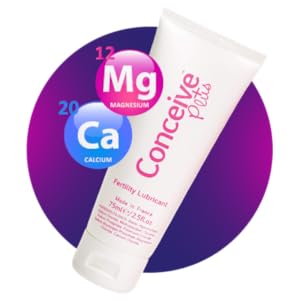
Conceive Plus is formulated to be isotonic, which means its salt and solute concentration is similar to bodily fluids. It also targets a pH like the fertile window. The formulation includes calcium and magnesium ions. These ions occur naturally in reproductive fluids and are involved in signalling and energy processes that affect sperm function. The aim is to work with normal biology, not override it.
Osmolality and pH explained and why these ranges affect sperm
Osmolality describes how concentrated a fluid is. When a lubricant is too concentrated, it can draw water out of sperm cells and make their membranes less stable. If it is too dilute, cells can swell and lose function. Isotonicity helps keep cell size and membrane integrity stable, which supports movement. pH is a measure of acidity or alkalinity. On fertile days, the vaginal environment becomes a little more alkaline than the rest of the cycle. Enzymes that drive movement work best in that range. If pH sits far outside it, forward progression and lifespan can drop.
These two properties are the main reasons a fertility lubricant is different from many everyday personal lubricants. Sperm friendly products aim to sit within physiological ranges and avoid additives known to immobilise sperm. The practical gain is simple. You protect comfort without introducing a barrier that you can avoid.

What laboratory testing shows about sperm friendly lubricants
In vitro testing places sperm in contact with different lubricants and measures progressive motility, velocity and cell health over short timeframes. Across studies, sperm exposed to fertility friendly formulations maintain better forward movement and viability than when exposed to many standard lubricants that are not designed for conception. Internal testing for Conceive Plus shows compatibility with sperm, oocytes and embryos in laboratory conditions when used as directed.
Lab tests are useful because they reveal whether a product harms sperm in controlled settings. They do not predict pregnancy rates in real couples. They also cannot reproduce the complex journey through the cervix and uterus. For that reason, a lubricant should be viewed as a supportive tool. It helps remove a known negative factor while you focus on timing, general health and any medical issues with your care team.
How to use Conceive Plus correctly
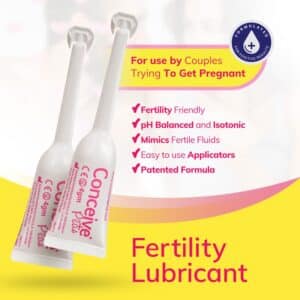
Conceive Plus comes as a multi use tube and as pre filled single use applicators. The tube can be applied to either partner shortly before intercourse, and you can reapply if more comfort is needed. The applicators deliver a consistent amount into the vagina, which some couples prefer during the fertile window for even coating. Many use an applicator ten to fifteen minutes before intercourse and keep the tube on hand if extra lubrication helps comfort.
Timing remains important. If you track ovulation with urine LH tests, the most fertile days are the day of the positive result and the following day. If you do not test, use the days when cervical mucus is clear and stretchy as your guide. Use the lubricant on those days. Follow the pack leaflet. One applicator is used per session. Discontinue and see a GP if you notice burning, irritation or unusual discharge. If you are undergoing IUI or IVF, follow your clinic’s policy about any products before procedures. See product details here for current availability in Australia at Fertility2Family: Conceive Plus Fertility Lubricant 75 ml and Conceive Plus Pre-Filled Applicators 8-pack.

Home management while trying to conceive in Australia
A simple routine helps reduce guesswork. Track cycles and record period start dates, LH test results if you use them, mucus changes, and intercourse days. If your cycles vary, start LH testing earlier than expected and test at the same time each day so you do not miss a short surge. Aim for intercourse on the day of the positive test and the next day. If you do not test, focus on the two to three days when mucus looks like raw egg white.
Many factors outside the bedroom affect per cycle chances. Aim for regular sleep, moderate exercise and a balanced diet. Limit heavy alcohol intake. If you smoke, ask your GP for help to quit. If vaginal dryness is linked to medications or breastfeeding, a sperm friendly lubricant can support comfort on the right days. If you have thrush or bacterial vaginosis, complete treatment and wait for symptoms to settle so tracking data remains clear and comfort returns.
When to see a GP or fertility specialist in Australia
Seek a medical review if you have persistent pelvic pain, painful intercourse, irregular or heavy bleeding, or symptoms of infection. See a GP sooner if you have a history that suggests reduced fertility such as pelvic surgery or pelvic inflammatory disease. If you are under 35 and have tried with regular, well timed intercourse for 12 months, ask for a basic fertility workup. If you are 35 or older, consider a review after 6 months. If you are using donor sperm or same sex pathways, a preconception plan helps streamline tests and timing.
A first workup often includes a medical history, semen analysis, assessment of ovulation, thyroid function and iron studies. Your GP may arrange sexually transmitted infection screening and a check of rubella immunity. Depending on the results, you may be referred to a fertility specialist who is a RANZCOG or CREI trained doctor. Early review is also reasonable if cycles are very irregular or if there is significant pain with periods.
Where ovulation and pregnancy tests fit in your plan
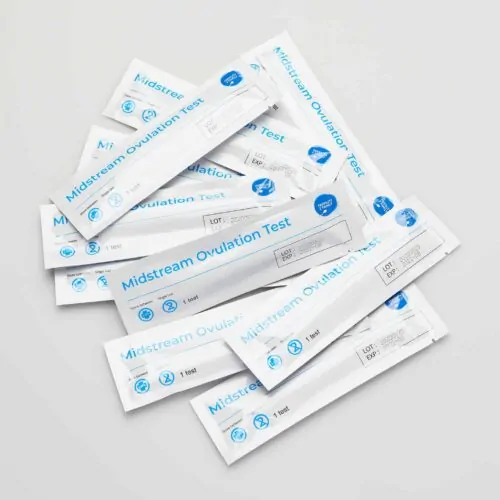
Ovulation tests detect the LH surge that prompts release of the egg. Start testing a few days before you expect the surge based on previous cycles. Test at the same time each day and reduce fluids for a couple of hours beforehand if your results are faint. Once you record a positive, plan intercourse on that day and the next. If your cycles are irregular, use more test strips during the mid cycle window to avoid missing a brief rise.
Home pregnancy tests are most accurate from the day your period is due. If your period is late, test with first morning urine. If negative and bleeding does not start, test again after two to three days. Keep a record of test results in your tracker so you can see patterns over several cycles. Many Australians pair sperm friendly lubrication with timing tools. You can review ovulation and pregnancy test options at Fertility2Family if you want to build a simple monthly kit: ovulation tests and pregnancy tests.
Frequently Asked Questions About Conceive Plus Fertility Lubricant Australia
How is Conceive Plus different from regular lubricants
Everyday lubricants often prioritise feel and longevity. Some are too acidic or too concentrated for sperm. Conceive Plus is water based, isotonic and pH aligned with fertile conditions, with calcium and magnesium ions to reflect the natural reproductive environment.
Can I use Conceive Plus with condoms or sex toys
Conceive Plus is water based and generally compatible with most condoms and devices. Check the pack leaflet and follow the manufacturer’s guidance for your condoms and devices.
Does Conceive Plus help if I have PCOS or endometriosis
You can use it as an intimate lubricant when trying to conceive. It does not regulate hormones or treat conditions. Pair it with cycle tracking and see a GP if cycles are very irregular or pain is significant.
Are there side effects or people who should avoid it
Most people tolerate water based, sperm friendly lubricants well. Avoid use if you are sensitive to any listed ingredient. Stop and seek medical advice if you notice irritation, burning, unusual discharge or symptoms of infection.
How should I store it and how long does it last once opened
Store at room temperature with the cap closed. Do not freeze or leave in hot cars. Use single use applicators once and discard. The multi use tube can be used until the expiry date if you keep the nozzle clean and the cap closed.
Can I use Conceive Plus during assisted reproduction
For intercourse cycles many clinics allow sperm friendly lubricants. Policies differ for IUI and IVF. Follow your clinic’s instructions and avoid using any products on days when abstinence or sample collection is required.
Next steps for Australians trying to conceive
A practical plan keeps stress lower across several cycles. Choose a sperm friendly lubricant so you do not introduce an avoidable barrier to sperm movement. Track your cycle, either with ovulation tests or by watching cervical mucus. Aim for intercourse on the day of the LH positive and the day after, or across the days when mucus is clear and stretchy. Support the basics that help fertility, including regular sleep, a balanced diet, and reduced alcohol. If dryness or discomfort would otherwise limit timing, Conceive Plus can help you stay consistent on fertile days. If you have concerns about pain, irregular cycles or time trying without success, speak with your GP for a review and a plan that fits Australian pathways of care. If you prefer a ready option, Conceive Plus is available as a 75 ml tube and as pre filled applicators in Australia. See the product pages for details and current availability.
Last reviewed: May 2, 2026
Next scheduled review: Mar 2027
References
Fertility2Family publishes Australia-focused fertility education. Articles are written by our team and medically reviewed by Australian-registered health practitioners. We use Australian consumer medicine information, Australian clinical and public health guidance, and peer-reviewed research consistent with Australian care. We explain what the evidence suggests, what it cannot confirm, and when to see a GP or fertility specialist. Each article lists its author, medical reviewer, and review dates.
https://www.healthdirect.gov.au/fertility-awareness-natural-family-planning
https://www.healthdirect.gov.au/infertility
https://www.healthdirect.gov.au/pregnancy-test
https://www.betterhealth.vic.gov.au/health/healthyliving/fertility
https://www.betterhealth.vic.gov.au/health/healthyliving/ovulation
https://www.jeanhailes.org.au/health-a-z/fertility-and-trying-for-a-baby
https://www.fpnsw.org.au/health-information/contraception/fertility-awareness-methods
https://www.qld.gov.au/health/staying-healthy/sex-relationships/trying-for-a-baby
https://www.racgp.org.au/clinical-resources/clinical-guidelines/red-book/preconception-care