
Is my pelvic pain following my cycle?
Pain that returns at the same cycle phase each month, especially around ovulation or before a period, is worth recording for your GP. A pattern over two to three cycles is more useful than a single bad day.
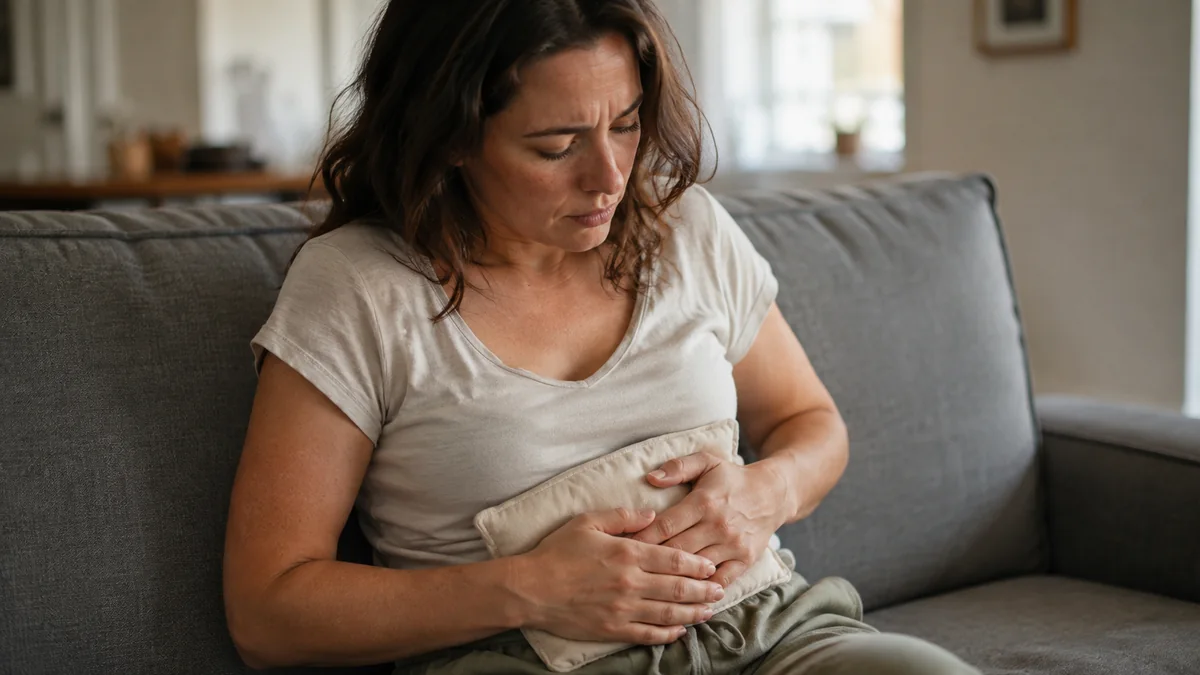
Endometriosis Pain Diary
Saving your notes: Nothing saves automatically. Local device storage is used only after you select save. Exports can contain sensitive health information.
Use this diary to record pelvic pain against your cycle for two to three cycles.
Everything behind the result
 How this tool worksWhy a pattern over cycles beats a single bad day
How this tool works
Why a pattern over cycles beats a single bad day
Pain that returns at the same point each cycle, particularly around ovulation and before a period, is one of the patterns a GP looks for when considering endometriosis.
The diary records pain, location and what helped each day, then lays two to three cycles side by side so the pattern, or its absence, is visible in one view.
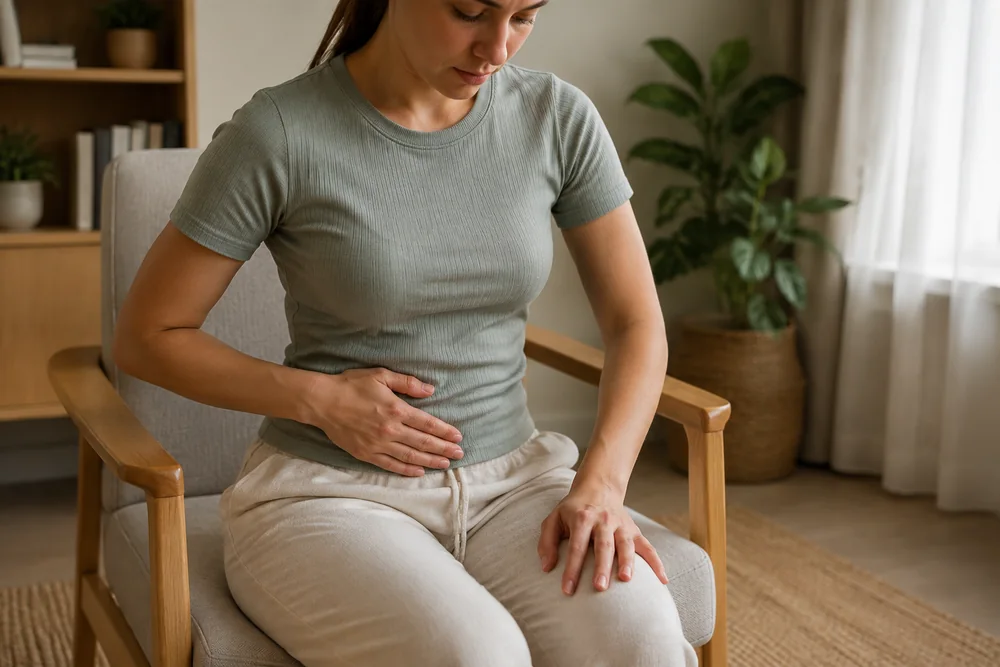
The full data tableEvery row this tool reads from.

What to bring to a pelvic pain appointment
Every domain this record captures. Recurrent or worsening pelvic pain deserves review; you do not need a complete diary before asking for help.
| What to record | Why the clinician asks |
|---|---|
| Worst and typical pain, 0 to 10 | Separates peak episodes from the everyday baseline |
| Where the pain is | Centre, right, left, lower back, rectum or bowel each point differently |
| Duration and pattern | Whether it is constant, cyclical or episodic |
| Relationship to bleeding | Pain tied to periods is assessed differently from pain that is not |
| Relationship to sex, bowel or bladder | Helps separate possible causes |
| Effect on sleep, work and usual activities | Functional impact is part of the assessment, not an aside |
| What you have tried and whether it helped | Avoids repeating treatments that did not work |
| The question you most want answered | Keeps a short appointment focused on what matters to you |
This record helps organise an appointment. It does not diagnose endometriosis or grade its severity, and pelvic pain has several possible causes that may need examination or imaging. Sudden severe pain, fainting, very heavy bleeding, pain with possible pregnancy, or pain with fever needs urgent assessment rather than a completed record.
The full referenceEverything this tool draws on, in detail.Show the detail
A clearer history for a difficult appointment
Preserve timing, severity and function instead of relying on memory alone
The record captures date, cycle or treatment context, pain location and duration, associated symptoms, seven areas of functional impact, treatments tried and what changed. Urgent pathways interrupt data entry when waiting would be unsafe.
Record the pattern and the impact
A useful pelvic-pain history contains more than a pain score
Pelvic pain can have gynaecological, bowel, bladder, musculoskeletal, pregnancy-related and other causes. A structured record helps show what happened, when it happened and what it prevented you from doing, but it cannot diagnose endometriosis or prove that pain came from ovulation.
Record each episode while details are fresh
Include the date, time, cycle or treatment context, bleeding, worst and typical pain, duration, location, quality, triggers, associated symptoms and response to treatment. Record symptom-free days as deliberate entries so missing days are not mistaken for pain-free days.
Separate function into domains
Pain can affect work, sleep, movement, eating, bowel and bladder routines, sex, caring responsibilities and social activity differently. Domain-specific scores give a clinician more useful information than a single statement that symptoms were “bad”.
Do not wait for the diary when red flags appear
Collapse, fainting, severe dizziness, very heavy bleeding with weakness, pelvic pain with possible or confirmed pregnancy, shoulder-tip pain with possible pregnancy, or sudden one-sided pain with nausea or vomiting needs urgent assessment. Pelvic pain with fever or feeling acutely unwell also needs prompt medical review.
Keep negative imaging in context
The Australian Living Evidence Guideline states that negative ultrasound findings do not exclude superficial peritoneal endometriosis. Persistent symptoms still deserve review, and imaging results should be interpreted with the full history and examination.
Patterns worth bringing to the appointment
Cycle-linked pain
Record the relationship to bleeding, spotting, possible ovulation and hormonal treatment without assuming that timing identifies the cause.
Bowel or bladder features
Pain opening the bowels, urinary pain, frequency, constipation, diarrhoea and bloating can help guide the clinical history and investigation plan.
Pain with sex
Record whether pain occurs with penetration, deep pelvic pressure, orgasm or afterwards, along with any bleeding and the effect on relationships.
Treatment response
Include the medicine and dose or non-drug strategy, when it was used, what changed after one to two hours, side effects and whether symptoms returned.
Choose the right next tool
Continue with the question you actually need answered
Australian next steps
Bring the record to care even when it is incomplete

Australian evidence and resources
These sources provide general Australian or product context. They do not replace advice from a qualified clinician.
- Ectopic pregnancy
Healthdirect Australia Pregnancy-related warning symptoms and when urgent assessment or triple zero (000) is needed.
- Endometriosis and pelvic-pain information
Healthdirect Australia The non-specific nature of pelvic pain and why pregnancy, infection and other causes require clinical assessment.
Frequently asked questions
- How long should I keep the diary?
- Two to three cycles gives a pattern most GPs can act on.
- Is ovulation pain normal?
- Mild one-sided pain for a day is common. Pain that needs medication or lasts days is worth recording.
- Does the diary diagnose endometriosis?
- No. Diagnosis needs a clinician and usually imaging or laparoscopy. The diary makes that conversation faster.
- Can I share it with my GP?
- Yes. Export a summary and bring it to the appointment.
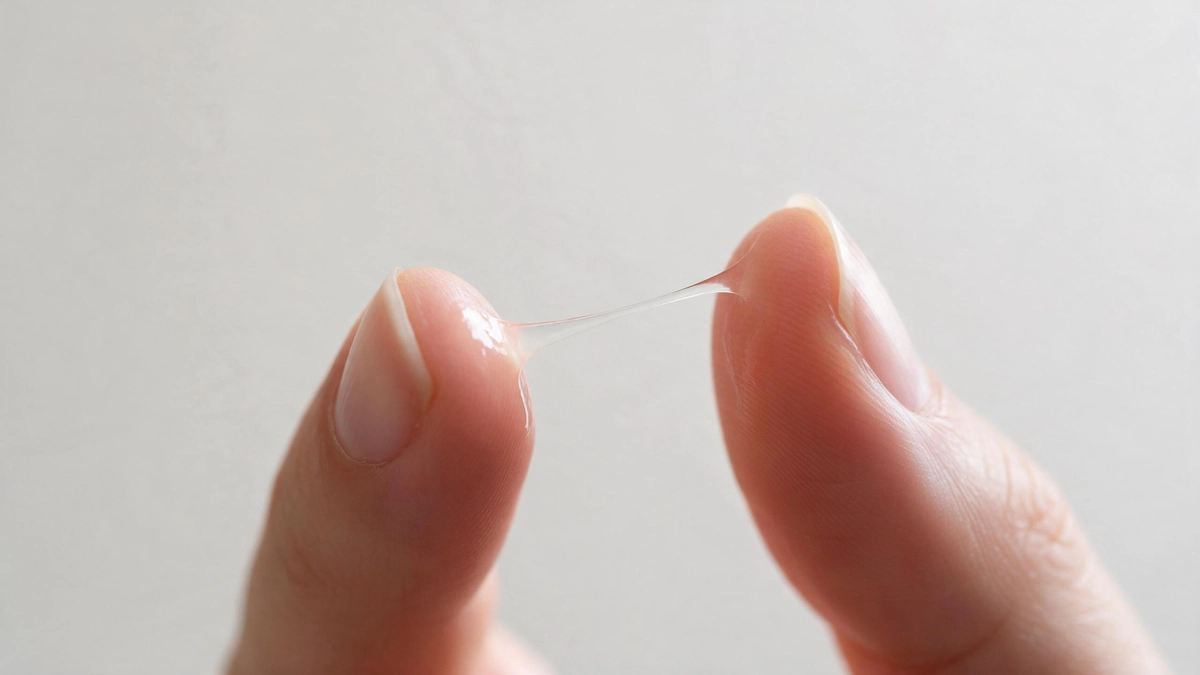

Australian evidence and resourcesShow sources
This is an educational timing aid, not a diagnosis.
Sources: Healthdirect Australia · Jean Hailes for Women's Health · Endometriosis Australia
Symptoms, diagnosis pathway and treatment options.healthdirect.gov.au ↗
Recording pain and preparing for a GP visit.jeanhailes.org.au ↗
Cyclical pain patterns and referral.endometriosisaustralia.org ↗
Clinical guidance on assessment.ranzcog.edu.au ↗