Home pregnancy tests give quick answers from the privacy of your home. They work by detecting human chorionic gonadotropin in urine, a hormone produced after a fertilised egg implants. Accuracy depends on timing, technique, and product sensitivity. Testing too soon can miss a pregnancy because hCG may still be low. For most people, testing around seven days after ovulation starts to pick up early pregnancies, and using first morning urine helps concentrate the hormone. If your cycles are irregular, waiting a few extra days reduces the chance of a false negative. Clear instructions, a defined reading window, and proper storage also matter. This guide explains when to test, how to use strips correctly, what faint lines mean, and when to see a GP in Australia. It also covers how ovulation tests and supportive products fit into a practical trying-to-conceive plan.
Quick Answers About Home Pregnancy Tests
How soon can I test after ovulation?
You can start around seven days past ovulation, though many pregnancies are easier to detect from the day your period is due. If you test early and get a negative, retest in 48 to 72 hours.
Do I need first morning urine?
Yes for early testing, because hCG is most concentrated then. After your missed period, any time of day is usually fine if you have not been drinking large amounts of fluid.
What if I see a faint line?
Any coloured second line within the stated reading window is a positive. Line darkness does not show how far along you are. Repeat the test after 48 to 72 hours for clearer confirmation.
What Is a Home Pregnancy Test and How It Works
A home pregnancy test detects human chorionic gonadotropin, often shortened to hCG, in urine. After implantation, the placenta starts making hCG, and levels rise over time. The test strip contains antibodies that bind to hCG and form a visible line when the hormone is present. Every test should also display a control line to confirm the strip worked correctly and had enough urine contact.
Urine tests are designed for convenience and are highly accurate when used at the right time. Blood tests at a pathology lab measure hCG more precisely and can detect smaller amounts. Both test types are part of standard care in Australia, with urine tests used at home and in clinics and serum hCG used by GPs for confirmation when needed.
False negatives are more common than false positives. They usually occur because testing is done too soon, the urine is diluted, or the result is read outside the recommended time. Reading instructions carefully, using first morning urine when testing early, and avoiding excess fluids beforehand will improve reliability.
When to Test and What Affects Accuracy
For many people, testing around seven days after ovulation can pick up early pregnancies, though sensitivity improves as you get closer to your expected period. If your cycles vary in length, add a few days to allow hCG to reach detectable levels. If you track ovulation with temperature or ovulation strips, use that timing to guide when you start testing.
Test sensitivity varies by brand. Fertility2Family pregnancy tests are designed to detect low levels of hCG at 10 mIU/ml, which helps with early detection. Despite higher sensitivity, testing too early can still return a negative even if you are pregnant. If you test early and get a negative, wait 48 to 72 hours and try again. hCG usually doubles every two to three days in early pregnancy.
Some medications can affect results. Fertility injections that contain hCG can cause false positives. If you are using an hCG-based trigger or luteal support, ask your fertility team about the best time to test to avoid detecting medication rather than pregnancy. Medical conditions that reduce urine concentration, or heavy fluid intake, can also lower accuracy. Always read the result within the time window stated on the packet, as lines that appear later may be evaporation lines and not true positives.
How Pregnancy Is Confirmed in Australia
In Australia, a positive home test is usually enough to book a GP appointment and begin routine care. Your GP may arrange a serum hCG blood test to confirm and may repeat it after 48 to 72 hours to check the pattern of rise. A normal rise supports a developing pregnancy. A slower rise or fall may suggest a miscarriage or an ectopic pregnancy, which is when a pregnancy implants outside the uterus.
Ultrasound usually becomes useful from about five to six weeks of pregnancy by dates, when a gestational sac may be seen. Before that time, ultrasound findings can be unclear. If you have pain on one side of the abdomen, shoulder tip pain, dizziness, fainting, or heavy bleeding, seek urgent care at an emergency department. These symptoms can be signs of an ectopic pregnancy or heavy early bleeding, both of which need timely assessment.
If you have a negative home test but continue to miss your period or have new pregnancy symptoms, your GP may request a blood test to clarify the result. Your GP can also discuss supplement use, such as folic acid and iodine, and your preferred care pathway for antenatal care in your state or territory.
Step-by-Step: What Home Tests Involve and How to Read Results
Before you start, read the enclosed instructions. Check the expiry date and ensure the packet is sealed. Collect urine in a small, clean container such as a urine collection cup. Open the foil just before use and handle the coloured end of the strip so the absorbent tip stays clean. Place the strip vertically into the urine with the arrow pointing down and stop at the MAX line. Hold it in the urine for about 15 seconds, then lay it flat on a clean, dry, non-absorbent surface.
Set a timer and wait three minutes to read the result. Do not read after five minutes. A single control line means negative. Two coloured lines mean positive. No control line means the test is invalid, even if you can see a test line. Test again with a new strip if the control line does not appear. If you are testing early, a faint second line still means hCG is present. Repeat the test after 48 to 72 hours for more clarity. If uncertainty remains after repeat testing, consider a blood test with your GP.
Keep in mind that early positives can sometimes reflect a chemical pregnancy, which is a very early loss shortly after implantation. This can appear as a positive test that later becomes negative or is followed by a period. If you need support or have ongoing symptoms, book an appointment with your GP for tailored advice.

Managing Testing at Home: Tips, Storage, and Disposal
For best performance, store your tests between 4°C and 25°C and away from moisture. Keep them out of direct sunlight and heat. Do not freeze the strips because low temperatures can damage the membrane and reagents. Leave each test sealed until you use it, and check the expiry date. Most test strips have a shelf life of up to 18 months when stored correctly.
Plan your test time so you can read the result at the correct interval. Early testing is most reliable with first morning urine, which is more concentrated. Avoid large amounts of fluid for an hour before testing. If you are anxious while waiting for the timer, try a simple reset such as a few slow breaths, a short walk, or writing down what you plan to do next if you need to retest.
After use, place the strip and the desiccant in a sealable plastic bag. Close the bag to contain residual urine. Dispose of it in your household rubbish. Do not flush or burn the test materials. Wash your hands with soap and water after handling the test. If your council provides specific guidance on household medical waste, follow local advice.
When to See a GP or Specialist in Australia
Book a GP appointment if you have a positive home test to begin antenatal care. See your GP if you have repeated negative tests and a missed period, new pregnancy symptoms with unclear results, or if you need advice on medicines, supplements, or chronic health conditions. If you have severe pain, heavy bleeding, shoulder tip pain, dizziness, fainting, or feel unwell, seek urgent care at an emergency department.
If you are trying to conceive and have not become pregnant after 12 months of regular unprotected sex, see your GP for an assessment. If you are 35 or older, consider seeking advice after six months. Your GP may arrange blood tests, semen analysis, and ultrasound, or refer you to a fertility specialist. If you are undergoing fertility treatment, ask your clinic for guidance on when to test to avoid detecting hCG medication rather than pregnancy.
If you test positive and feel unsure, a repeat home test or a blood test can provide reassurance. Your GP can also discuss mental wellbeing, support services, and safe exercise and nutrition in early pregnancy.
How Ovulation and Pregnancy Tests Fit into Trying to Conceive
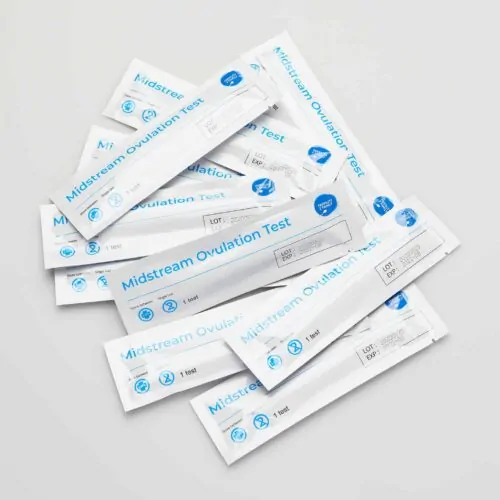
Timing matters for conception. You are most fertile in the few days before ovulation and on the day of ovulation. Ovulation test strips detect luteinising hormone surges that trigger ovulation. Using Ovulation Test Strips helps target intercourse to your fertile window. A Basal Body Temperature thermometer can show a rise after ovulation, which can help confirm your cycle pattern over time. Many people use both methods to pinpoint timing and to choose when to start pregnancy testing.
Lubricants can affect sperm movement. A sperm-friendly lubricant such as Conceive Plus is formulated to be similar to fertile cervical fluid and to support sperm. Choosing products that suit your plan reduces guesswork and can lower stress while trying to conceive. When you reach the end of your cycle, a sensitive home pregnancy test can then detect rising hCG, often from about seven days after ovulation, with clearer results around the time your period is due.
Our highly sensitive, cheap pregnancy tests will give you quick, reliable results without the fuss. You can begin testing up to seven days before your period is due.
Frequently Asked Questions About Home Pregnancy Tests Australia
Can drinking water affect my result If you drink a lot of fluid before testing, urine can become diluted and hCG may fall below the detection threshold. For early testing, use first morning urine and avoid excess fluids beforehand.
Do urinary tract infections interfere with test accuracy A typical urinary tract infection does not produce hCG and usually does not cause false results. If you have blood or heavy protein in urine, results may be harder to read. See your GP if unsure.
How long after an hCG trigger shot can I test hCG medications can remain detectable for up to 10 to 14 days. Ask your fertility clinic about the best day to test so you do not mistake medication for pregnancy.
Are evaporation lines the same as positive lines No. Evaporation lines often appear colourless and after the reading window. Only read results within the time stated in the instructions and only treat coloured lines in that window as positive.
Does polycystic ovary syndrome change test reliability PCOS can affect ovulation timing, which makes it easier to test too early. The pregnancy test chemistry is not affected by PCOS. Track ovulation and wait a little longer before testing.
Can an ectopic pregnancy show a faint or slow-to-darken line Yes, ectopic pregnancies can produce hCG at lower levels. If you have pain, bleeding, or dizziness with faint or fluctuating results, seek medical care promptly for assessment.
A Supportive Next Step for Your Pregnancy Testing Journey
Clear instructions, good timing, and a calm plan help you feel in control when testing at home. Use first morning urine if you are testing before your period and set a timer so you read the strip at three minutes and not after five. If you are not sure, wait 48 to 72 hours and test again. When you are ready to confirm, your GP can arrange a blood test and discuss the right next steps for you. If you want to map your fertile window, cycle-friendly tools such as ovulation strips and a basal thermometer can guide timing in a simple, practical way. Fertility2Family pregnancy tests are designed for early detection at 10 mIU/ml and are available in bulk packs so you can test without worry about cost. You can find single-use strip tests in sets of 10, 20, 30, 50, 100, and bundled options with collection cups. If you prefer a printable guide, our Pregnancy Test Strip Instructions are available for download. Choose the approach that suits you and reach out to your GP if you need medical advice at any point.
References
https://www.healthdirect.gov.au/pregnancy-tests
https://www.pregnancybirthbaby.org.au/pregnancy-tests
https://www.healthdirect.gov.au/hcg-test
https://www.healthdirect.gov.au/ectopic-pregnancy
https://www.racgp.org.au/afp/2014/may/early-pregnancy-bleeding
https://www.ranzcog.edu.au/womens-health/patient-information/early-pregnancy-bleeding
https://www.jeanhailes.org.au/health-a-z/pregnancy/trying-to-conceive
https://www.betterhealth.vic.gov.au/health/conditionsandtreatments/ovulation
https://www.health.nsw.gov.au/kidsfamilies/pregnancy/Pages/default.aspx

Evan Kurzyp
Evan is the founder of Fertility2Family and is passionate about fertility education & providing affordable products to help people in their fertility journey. Evan is a qualified Registered Nurse and has expertise in guiding & managing patients through their fertility journeys.