
Why Is My Period So Light This Month? Causes and When to Test
Period lighter or shorter than usual? See possible causes, when to take a pregnancy test and which changes in flow need a GP review.

By Fertility2Family Editorial Team · Updated · 12 min read · First published

On this page
- What counts as a light period, rather than spotting?
- Your period is lighter than usual: what should you do next?
- What can cause lighter or shorter periods?
- When should you take a pregnancy test after a light bleed?
- Do light periods mean lower fertility?
- When should you see a GP, and what might they check?
- Next Steps in Australia
A period can arrive on time and still be much lighter than usual. A one-off change does not automatically mean something is wrong, but pregnancy, contraception, life-stage changes and conditions affecting your cycle can also alter the bleeding. Start with what is different for you: the amount, the number of days and whether it keeps happening.
Compare the flow with your usual period rather than assuming a smaller amount tells you the cause. If the main change is an earlier date, the early-period guide covers that different question. Severe or worsening pelvic pain, shoulder-tip pain, fainting or feeling acutely unwell needs urgent assessment, even when visible bleeding is light. Do not wait for a home test.
Quick answers about light periods
Why is my period so light this month?
Possible explanations include ordinary variation, hormonal contraception, changes in eating, exercise or stress, breastfeeding and perimenopause. Some medical conditions also alter bleeding. The amount cannot identify the cause. Compare this bleed with your usual pattern, consider pregnancy if possible, and arrange review for a new persistent change or symptoms that concern you.
Can I be pregnant after what looks like a light period?
Yes, pregnancy is possible after an unusual light bleed, although bleeding in pregnancy is not a true period. Neither a small amount nor a particular colour confirms pregnancy. An appropriately timed pregnancy test is more useful than comparing the bleed with photographs. Contact your doctor or midwife about bleeding after a positive result.
When should a lighter period be checked?
Seek advice for a new pattern that continues, bleeding between periods or after sex, or an unexplained gap in periods. You can ask sooner if worried; you do not have to wait through three lighter cycles. Urgent symptoms take priority over tracking or testing.
What counts as a light period, rather than spotting?

A light period means a smaller amount of bleeding than your usual pattern. A short period means fewer bleeding days. They can occur together, but a shorter period is not automatically a lighter one. Clinicians sometimes call periods that are lighter than is typical for you hypomenorrhoea. Compare the amount and duration separately rather than relying on a universal pad count.
Spotting is a small amount seen as marks or drops rather than sustained flow. Record spotting days separately from flow days, including when one changes into the other. This describes what happened; it does not identify implantation, ovulation or another cause.
Period fluid includes blood, mucus and uterine tissue. Pads, tampons, cups and period underwear collect it differently, and changing a product for comfort does not mean it was full. Note a change of product type rather than converting the number used into millilitres of blood.
Your period is lighter than usual: what should you do next?
For a lighter bleed without urgent symptoms, separate a single change from an ongoing pattern. This table helps organise your next step; it is not a diagnostic score.
| What has changed? | A useful next step |
|---|---|
| One lighter period, with usual timing and no other symptoms | Record the amount and duration. Check whether pregnancy is possible and whether contraception or medicines changed. Seek advice if concerned or if the change continues. |
| Only spotting instead of your usual flow | Record it as spotting. Do not assume it settles pregnancy status or starts a predictable new cycle. Use the testing dates below. |
| Periods are becoming progressively lighter, shorter or less frequent | Book a GP review with your recent bleeding dates, medicine list and any other symptoms. You do not need to identify a hormone problem first. |
| Flow changed after a uterine procedure or during fertility treatment | Contact the treating team about the expected pattern and any unexpected change. Their follow-up and testing plan takes priority over a generic calendar. |
Record the expected and actual start dates, spotting days, flow days, amount compared with usual, other symptoms and any pregnancy-test dates. Note a different brand or type of period product, because that can change how the amount looks.
For example: “Expected Monday; started Monday; two days of flow instead of my usual four; fewer changes using the same pads; no pain; no test yet.” This describes a change without identifying a cause. The existing bleeding and cycle next-step planner includes a lighter-than-usual option.
What can cause lighter or shorter periods?
Hormonal contraception and medicines
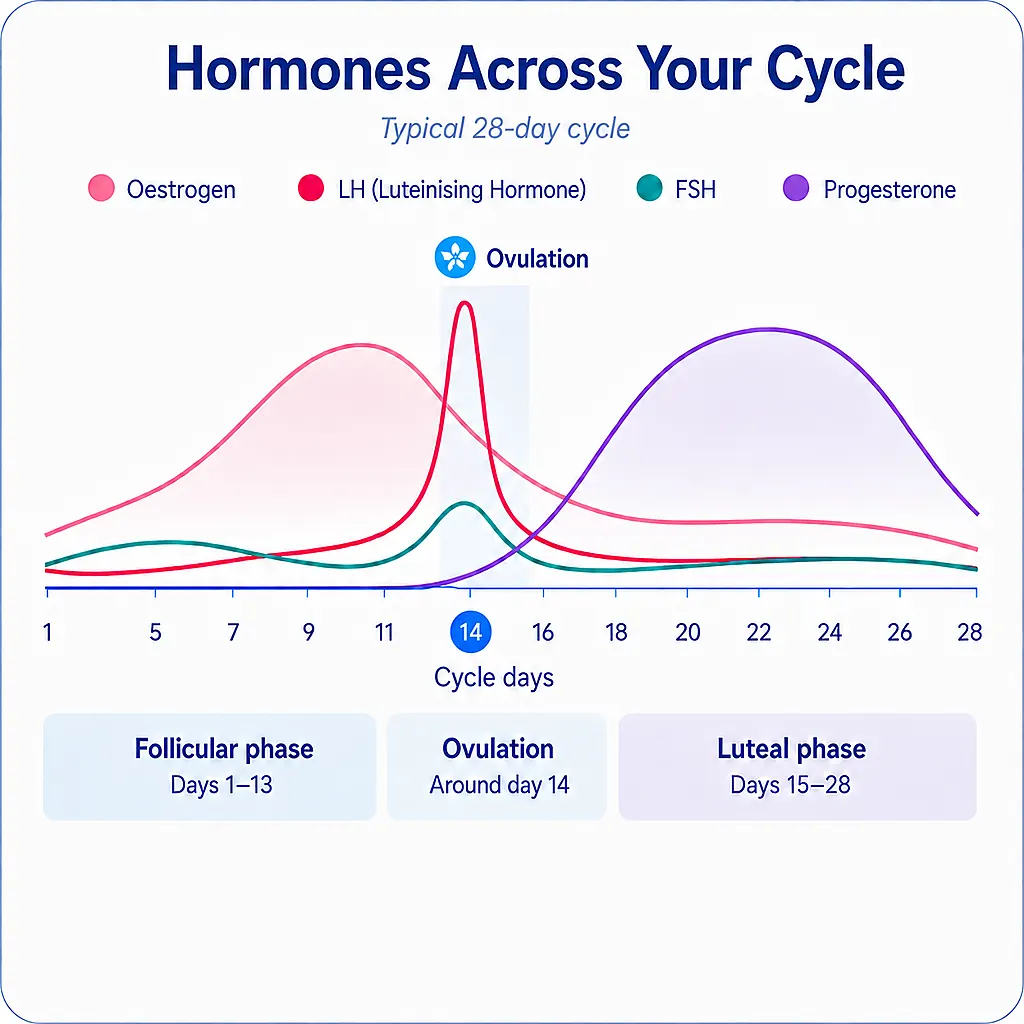
The pill, hormonal IUDs, implants and other hormonal methods can change bleeding. Depending on the method, flow may become lighter or less regular. A bleed during a combined pill’s inactive-tablet interval is a withdrawal bleed, not proof that you have ovulated. Starting, switching or stopping a method also changes the context.
Some medicines are intended to reduce bleeding, so record the product and any dose changes rather than trying to make the period heavier yourself. For contraceptive protection, use the ovulation-on-the-pill guide. If you recently stopped the pill, the separate first-cycle tracking guide explains withdrawal bleeding and uncertain dates.
Stress, eating changes and exercise
Stress, restrictive eating, weight changes and heavy training can affect menstrual patterns. Mention them when describing lighter flow, especially if periods are also farther apart or absent. These details help assessment but do not prove the cause. Support should fit your health and circumstances, rather than automatically prescribing weight loss or telling everyone to stop exercising.
Breastfeeding and perimenopause
Periods can be irregular when they return during breastfeeding, and the pattern may change as feeding changes. Pregnancy is still possible. After a recent birth or pregnancy loss, check unexpected bleeding with your care team rather than assuming it is your first ordinary period.
In perimenopause, periods can become lighter, heavier, shorter or less predictable. One light period alone does not establish perimenopause. Tell your GP about repeated changes and any associated symptoms, particularly when the pattern is unexpected for your age or history.
Changes in ovulation or hormone function
Thyroid conditions, raised prolactin and other disruptions to ovulation can affect the menstrual pattern. PCOS (PMOS) is another condition considered when periods are irregular. A clinician uses the broader history and appropriate tests, not the appearance of one bleed, to distinguish possible causes.
Mention symptoms such as persistent fatigue, new hot flushes, acne or unwanted hair growth if present. They are pieces of the history, not a checklist that diagnoses you. Your clinician can explain which tests fit the pattern. Our fertility hormone guide explains what commonly used tests can and cannot tell you.
A change after a procedure involving the uterus
Tell the treating team if periods become persistently much lighter or stop after treatment inside the uterus. Intrauterine adhesions are one possible explanation, not a diagnosis from a light bleed. The dedicated guide covers procedure history, cavity assessment and treatment; this page helps you describe the change that prompted the question.
When should you take a pregnancy test after a light bleed?
A lighter bleed is not a pregnancy test and does not automatically move the date when testing becomes useful. Most home tests can detect pregnancy from the day your period is due. If only unusual light bleeding appears instead of your expected normal flow, follow the test’s instructions using the expected date you had, rather than waiting for the next month.
With ongoing intercourse, a negative result cannot exclude pregnancy from more recent dates. Follow the repeat-testing instructions or ask your GP when timing remains unclear.
What does an early negative test mean?
Consider this example: your period is due on Friday. A Wednesday test is negative, then Friday brings a day of light bleeding rather than your usual flow. The Wednesday result was early. If pregnancy is possible, repeat at the appropriate time; do not treat the light bleed as confirmation of either pregnancy or a normal period. This example illustrates timing, not a diagnosis.
The pregnancy-test timing calculator can help organise a date from information you know. Compare pregnancy-test formats when choosing a test. If repeat results are negative and there is still no expected period, follow the absent-period and negative-test guide rather than trying to resolve that separate problem from flow alone.
Contact your doctor, midwife or fertility clinic about bleeding after a positive test, even if it is light. Colour and duration cannot reliably identify the cause. Our early-pregnancy bleeding guide explains those limitations; urgent symptoms should be assessed without waiting to read or test again.
Do light periods mean lower fertility?
A light period does not automatically mean you cannot conceive. The important question is whether an underlying condition is affecting your cycle. Menstrual flow cannot, on its own, measure egg quality, ovarian reserve or the uterine lining. Those questions require an appropriate history and, when indicated, selected investigations.
Research does not provide one reliable flow-based fertility rule. A Danish cohort found no clear association between time to pregnancy and reported bleeding duration or intensity. A rural Chinese cohort found associations with shorter and longer duration; that is not the same as measuring blood volume. These observational studies used different populations and cannot turn one light or short period into a personal fertility prediction.
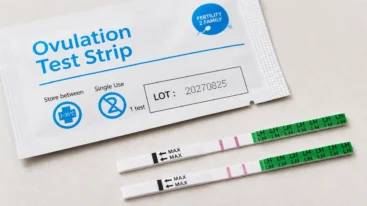
If you are already tracking to conceive, ovulation tests answer a different question: whether a urine sample detects an LH rise. Our ovulation test strips use a collected sample and have specific sampling and reading instructions. They cannot explain lighter flow, prove egg release or confirm pregnancy. Always read the label and follow the directions for use.
When should you see a GP, and what might they check?
Book a review for a new persistent change, bleeding between periods or after sex, increasingly irregular cycles, or symptoms that worry you. Seek assessment if periods stop for three months without an expected explanation. You can ask earlier, particularly when trying to conceive, and do not need months of home-test results before being seen.
Your GP may ask about contraception, medicines, breastfeeding, pregnancy possibility, procedures and your previous bleeding pattern. Depending on the history, assessment may include pregnancy testing, selected blood tests, an examination, infection testing or ultrasound. Not everyone needs every test. Ask what each proposed investigation would answer and whether cycle timing matters.
Seek urgent care for severe or worsening abdominal or pelvic pain, especially one-sided pain, shoulder-tip pain, fainting or marked unwellness. Visible bleeding can be light even with a serious pregnancy-related problem. Go to an emergency department, or call 000 if you are severely unwell or need an ambulance.
Frequently Asked Questions about Light Periods in Australia
Is a one- or two-day period always abnormal?
A short bleed that has always been your pattern is different from a new shortening of longer periods. Note the sustained-flow days separately from spotting. Pregnancy possibility, medicines and accompanying symptoms matter as well as duration. Arrange review for a continuing change or earlier if concerned; a day count cannot diagnose the cause.
What if I only see blood when I wipe?
That may describe spotting rather than your usual menstrual flow. Record where you saw the blood and whether it continued, without using colour to identify its cause. If you are unsure where the blood is coming from, explain that to a clinician. Bleeding after sex or between periods also warrants review.
Does a lighter period mean the uterine lining is too thin?
Flow cannot measure the uterine lining, and a darker LH test cannot answer that question either. When there is a clinical reason, ultrasound can contribute to assessment in the context of the cycle or treatment plan. Do not start a lining-thickening medicine or supplement because one period was lighter.
Can supplements make my period heavier?
The aim is to understand a change, not produce more blood. Treatment depends on the cause, and one light bleed does not establish a nutrient or hormone deficiency. Review supplements and other medicines with a GP or pharmacist rather than buying a product that promises to balance hormones or restore flow.
What if the bleeding changes during fertility treatment?
Follow your clinic’s testing and medicine instructions. Let the team know about unexpected bleeding before altering doses or dates; treatment-related bleeding may need different interpretation from a natural cycle. Severe pain, faintness or feeling acutely unwell still needs urgent assessment rather than waiting for a routine appointment.
Is spotting after menopause just a very light period?
No. Bleeding or spotting after menopause should be checked by a doctor. Menopause means 12 months without a period, so hormone treatment and other reasons for absent bleeding affect that picture. Tell your doctor if you use menopause hormone therapy and when the bleeding began. Do not wait for heavier flow.
Next Steps in Australia
Bring the record you have, even if it is incomplete. You do not need to identify a hormone problem or make the bleeding heavier before seeking advice. For help choosing a service, call healthdirect on 1800 022 222. Call 000 for an emergency.
General information: This article is for Australian consumer education and does not diagnose the cause of a light period, pregnancy or a fertility problem. It does not replace individual medical advice, diagnosis or treatment.
✓ Medically reviewed by Evan Kurzyp, RNLast reviewed Next review November 2027
References18 sources
Fertility2Family articles are researched using Australian Government health guidance, professional clinical recommendations and peer-reviewed medical literature. The references below were used to research and medically review this article and provide additional reading for readers who want to explore the evidence in more detail.
You can read how we research, write and check our health information in our editorial and medical review policy, and see who reviews our articles and their clinical credentials.
- Healthdirect Australia. Irregular periods
Australian guidance on changes in period amount, length and timing, and when to see a doctor. - Jean Hailes for Women’s Health. Periods
Australian women’s health guidance on what period fluid contains and how medicines and hormone changes can affect periods. - Cleveland Clinic. Hypomenorrhea: Understanding Light Periods
Overview of periods that are lighter than usual (hypomenorrhea), including common causes and when to see a provider. - Healthdirect Australia. Hormonal contraceptives and periods
Australian guidance on how hormonal contraception can change how often you bleed and how heavy the bleeding is. - Jean Hailes for Women’s Health. Irregular periods
Australian women’s health guidance on irregular periods, including the effects of stress, eating and exercise. - Pregnancy, Birth and Baby. Periods while breastfeeding
Australian guidance on when periods return during breastfeeding and why pregnancy is still possible. - Australian Government Department of Health, Disability and Ageing. Perimenopause and menopause symptoms
Australian Government guidance on changes to periods during perimenopause and menopause. - NICHD, National Institutes of Health. What causes menstrual irregularities?
US overview of causes of menstrual changes, including thyroid conditions and raised prolactin. - Monash University, MCHRI. PCOS / PMOS guideline and resources
Monash University resources on the international PCOS (PMOS) guideline and the new PMOS name. - American Society for Reproductive Medicine, ReproductiveFacts. Intrauterine adhesions
Patient guide to intrauterine adhesions, which can follow uterine procedures and change periods. - Pregnancy, Birth and Baby. Bleeding during pregnancy
Australian guidance to contact your doctor or midwife about bleeding at any stage of pregnancy. - Healthdirect Australia. Ectopic pregnancy
Australian guidance on ectopic pregnancy warning signs that need urgent care. - American Society for Reproductive Medicine. Fertility evaluation of infertile women: a committee opinion (2021)
Professional guidance on assessing fertility, including history, selected tests, age, time trying and the limits of home cycle observations. - Fertility2Family. Ovulation Test Strip Instructions
Our instructions for collecting a sample, reading a result and understanding the limits of Fertility2Family LH test strips. - Healthdirect Australia. Bleeding after menopause
Australian guidance that bleeding after menopause should be checked by a doctor. - Wise and colleagues, American Journal of Epidemiology (2011). A prospective cohort study of menstrual characteristics and time to pregnancy
Danish study of 2,653 women in which bleeding duration and intensity were not appreciably linked to time to pregnancy. - Zhang and colleagues, BJOG (2017). The influence of age at menarche, menstrual cycle length and bleeding duration on time to pregnancy: a large prospective cohort study among rural Chinese women
Large Chinese cohort in which both shorter and longer bleeding duration were linked with a longer time to pregnancy. - Pregnancy, Birth and Baby. Pregnancy tests
Australian guidance on when to take a home pregnancy test and when to repeat it.