DPO symptoms
Use these day-by-day DPO guides during the two-week wait when symptoms, PMS or early results feel uncertain.


Find Australian fertility education on DPO symptoms, OPKs, LH strips, ovulation predictor kits, hCG strip tests, faint lines, BBT charting, cervical mucus, luteal phase timing, PMOS, PCOS, AMH and trying to conceive. Start with a guide collection, open product instructions, or search the full article library below.
Start with recent guides on PMOS, PCOS, DPO symptoms, hCG patterns and home fertility testing before searching the full article library.
Free Australian fertility testing tools and downloads
Use these tools when you are planning LH testing, deciding when to retest, or tracking BBT alongside symptoms and cycle notes.
Use this if you know your cycle dates and want an estimated fertile window before starting LH testing.

Use this if you want one place to plan OPK timing, pregnancy test timing, BBT notes and follow-up decisions.

Use this if you test early, keep getting negatives or need help deciding when to retest.

Use this if LH tests never look clearly positive, surge timing feels unclear or results change quickly.
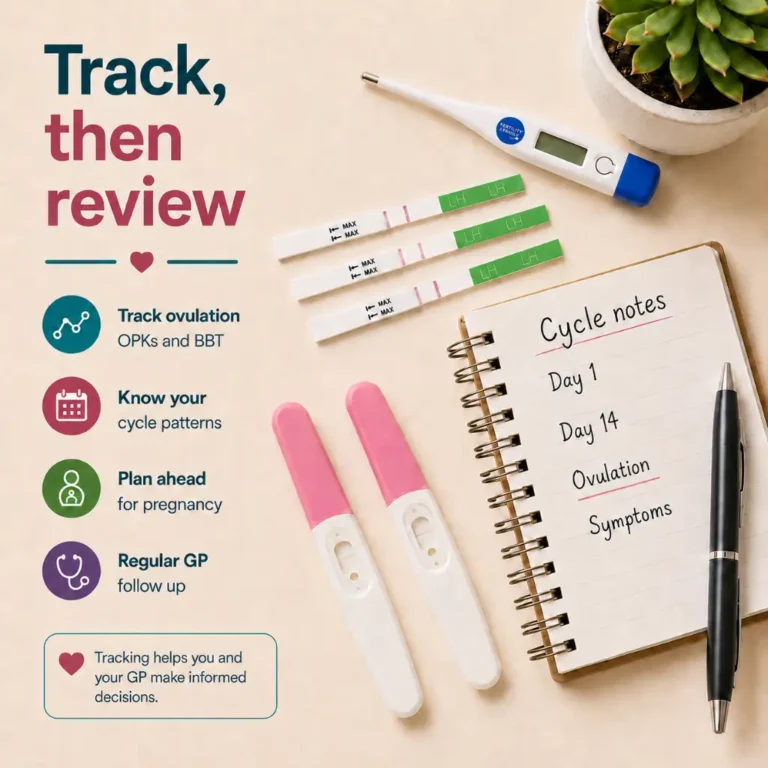
Use this if you want to record BBT, LH results, symptoms and pregnancy test dates together.
Use this if you want to see how cycle dates, LH testing, BBT notes and pregnancy testing fit together.
Why readers use these resources: Fertility2Family brings home testing instructions, Australian care guidance and plain-language fertility education into one place, so you can plan testing, track patterns and know when to seek care. Home tests can support timing decisions, but they do not diagnose ovulation, infertility or pregnancy safety.
Choose the topic that matches the result, symptom or cycle question you are checking. Each collection links to Fertility2Family articles, tools or product guidance that fits that topic.
Swipe to view more guides.
Use these day-by-day DPO guides during the two-week wait when symptoms, PMS or early results feel uncertain.


Find help with ovulation predictor kit timing, LH strips, negative OPKs, missed surges and changing LH patterns.


Use these guides when home pregnancy test results, faint lines or retesting timing are unclear.


Read these if you track basal body temperature, cervical mucus, luteal phase length or cycle patterns.


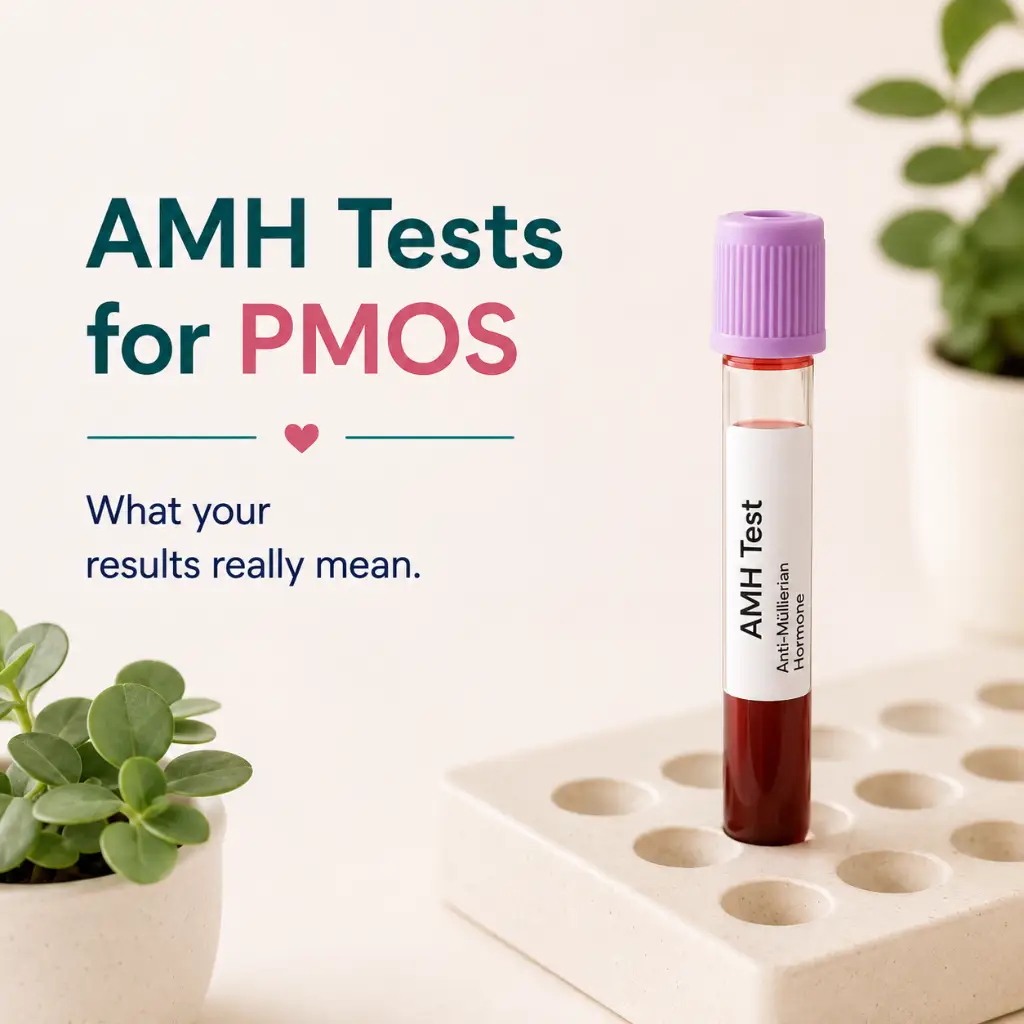
Use these Australian fertility health guides when irregular cycles, AMH results or PCOS/PMOS wording need clinical context.


Start here for fertile-window timing, ovulation shifts, the two-week wait and home test planning.


Use this order to move from cycle dates to LH testing, BBT notes, pregnancy testing and care decisions without treating one result as a diagnosis.
Fertility2Family articles are written by our team and reviewed for health accuracy. They explain what an OPK, LH strip, hCG test, BBT pattern or cycle sign may suggest, what it cannot prove, and when Australian readers should speak with a GP, midwife or fertility specialist.
Home ovulation tests, pregnancy tests and BBT tracking can support timing and pattern tracking. They cannot diagnose fertility conditions, confirm ovulation with certainty or explain ongoing symptoms. Speak with a GP if your cycles are very irregular, pelvic pain is ongoing, bleeding is unusual for you, results are repeatedly unclear or unexpected, or you have been trying to conceive for 12 months, or 6 months if you are over 35.
Read how our health education is reviewedIf you seek review, it can help to bring cycle dates, LH test timing, pregnancy test dates, BBT notes, symptoms and any medicines or supplements you use.
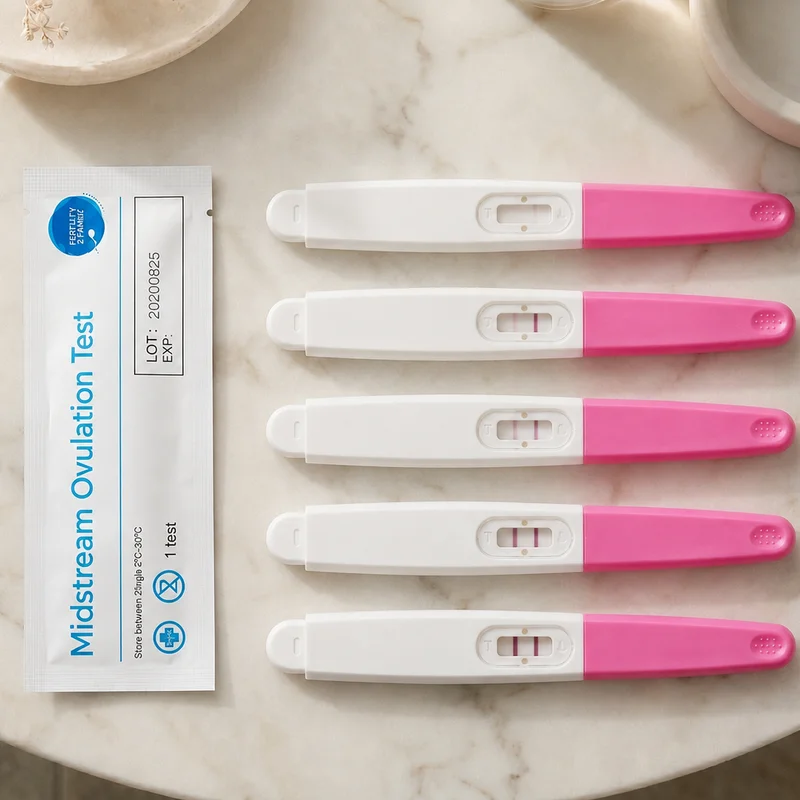
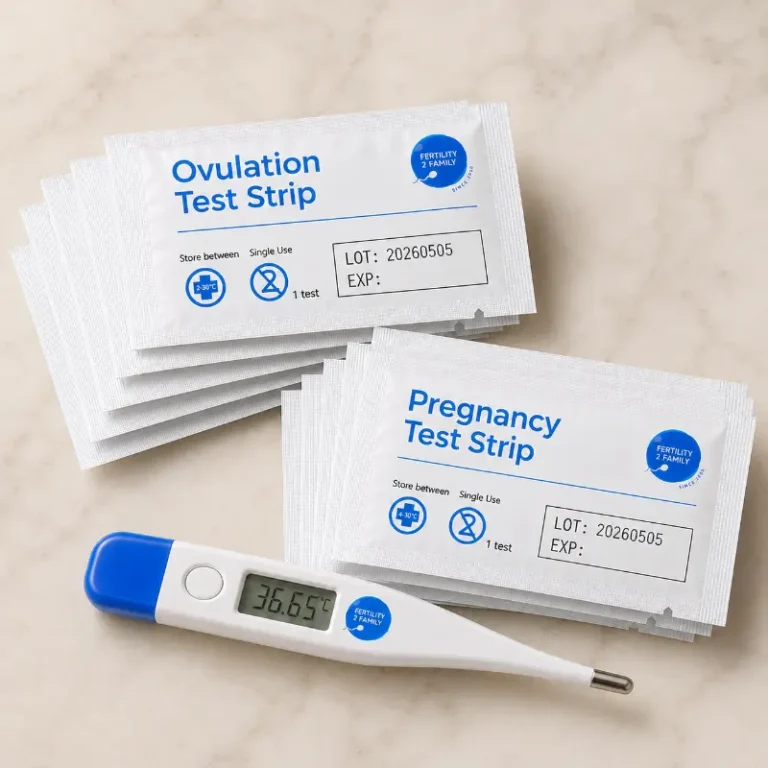
Compare ovulation and pregnancy test formats before choosing the product that fits your testing routine.

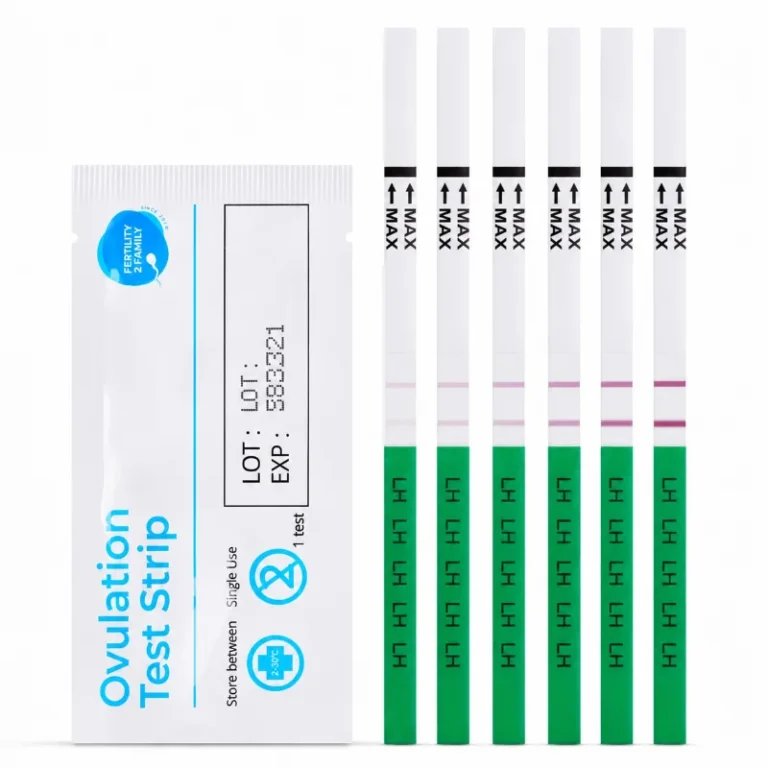
For testing across several fertile-window days.

For readers who prefer not to dip strips.

For repeated home testing when timing is early or unclear.

For readers who prefer a larger enclosed format.
Use the full article library below to search by topic, test result, DPO, ovulation or pregnancy testing question.
Showing 6 articles in DPO symptoms
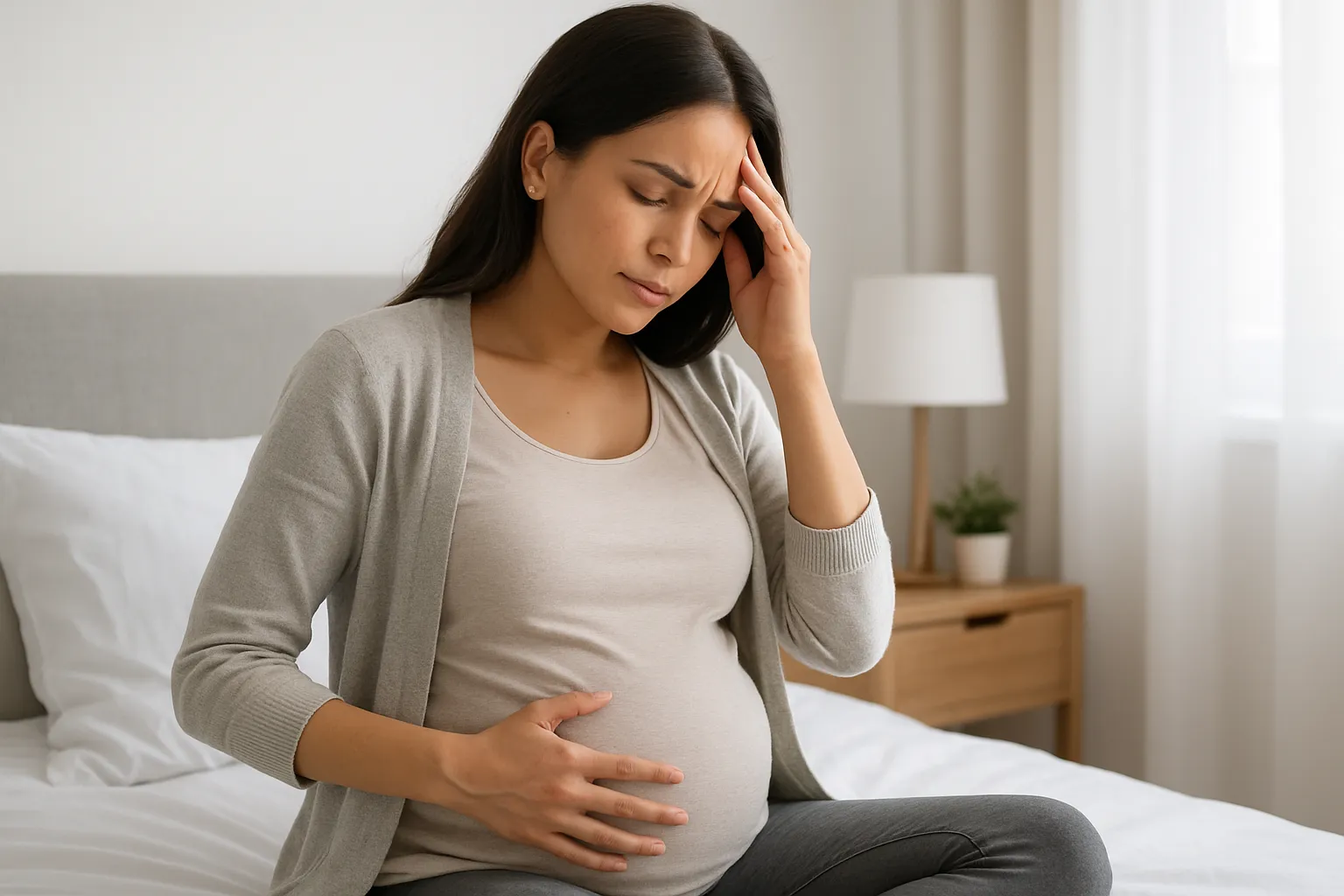
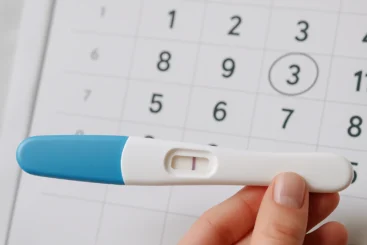
If you are trying to conceive, the first few days after ovulation can feel slow and uncertain. At one to three days...
Last updated 2 May 2026
If you are trying for a baby, the days after ovulation can feel slow and uncertain. At about 3 days past ovulation,...
Last updated 2 May 2026
If you are trying to conceive, the days after ovulation can feel long. Four days past ovulation is still early in the...
Last updated 2 May 2026
When you are tracking your cycle closely, every twinge can feel like a sign. The two week wait can test anyone’s patience,...
Last updated 2 May 2026
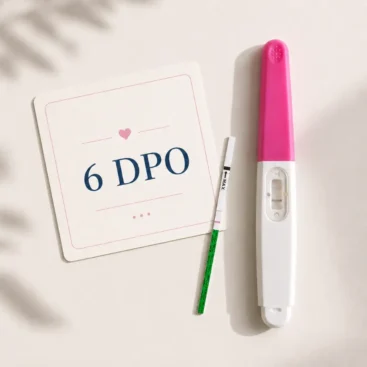
At 6 DPO, pregnancy may be possible, but it is usually too early for a home pregnancy test to give a reliable...
Last updated 27 May 2026
At 7 DPO, pregnancy symptoms are possible, but they cannot confirm pregnancy. Seven days past ovulation sits early in the implantation window,...
Last updated 9 May 2026Start with fertile-window timing, then use the OPK and LH strip guides if you are checking for a surge. If you are already past ovulation, use the DPO and hCG guides. If your cycles are very irregular, symptoms are ongoing or results keep feeling unclear, speak with a GP.
Use the OPK and LH guides for surge timing, the hCG and faint-line guides for early pregnancy test results, and the DPO guides when timing matters. A single home test can be useful, but it should be read with timing, instructions and symptoms in mind.
Home tests and cycle signs can support timing and pattern tracking, but they have limits. OPKs can suggest an LH surge, BBT can show a temperature pattern, and hCG tests can detect hCG when levels are high enough. They cannot diagnose infertility, confirm ovulation with certainty or assess pregnancy safety.
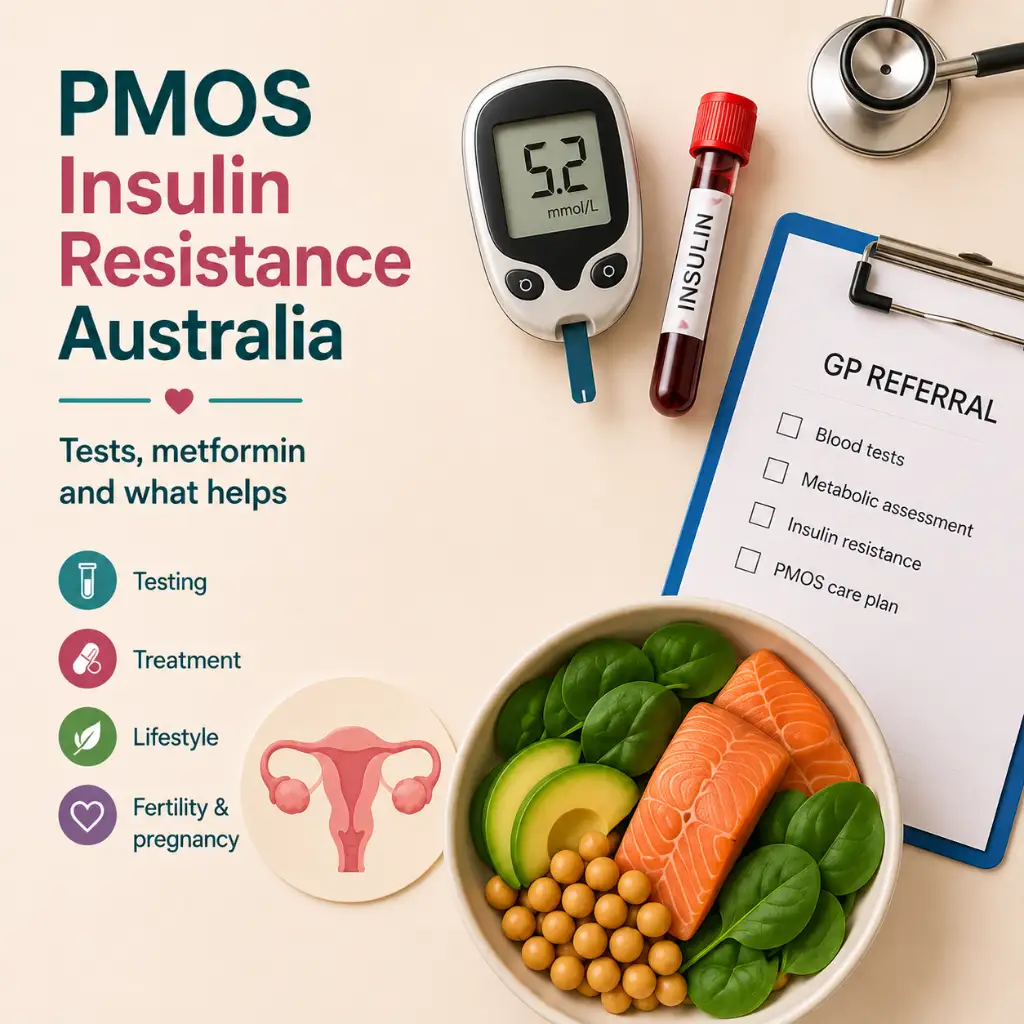
PMOS, still widely known as PCOS, can affect cycle timing, ovulation patterns and how home testing fits into a broader care plan. AMH and irregular cycles may also need clinical context. These articles explain Australian care pathways and testing limits; they do not diagnose.
Seek medical advice if your cycles are very irregular, pelvic pain is ongoing, bleeding is unusual for you, results are repeatedly unclear or unexpected, or you have been trying to conceive for 12 months, or 6 months if you are over 35. Seek urgent care for severe pain, heavy bleeding, fainting or symptoms that feel unsafe.
Estimate fertile days, compare your signs, read your result inside the test window and seek care when symptoms or repeated unclear results need review.