Pregnancy timing and results · 8 fertility tools
Understand when to test and what your result may mean
Start with timing, then move through DPO, home pregnancy-test results, retesting and practical next steps.
Australian fertility guides and tools
Find reliable Australian information on ovulation, pregnancy testing, cycle tracking, fertility tests and treatment questions. Search the health library, use a fertility tool or choose the topic closest to what you need today.
Start with your question
You do not need to know the right medical term. Choose the option that feels closest and we will take you to the most useful tools and reading.
Explore by fertility topic
Choose the topic closest to what you are working through. Each section begins with a helpful starting tool, followed by related options and trusted reading.
Pregnancy timing and results · 8 fertility tools
Start with timing, then move through DPO, home pregnancy-test results, retesting and practical next steps.
Ovulation and cycle tracking · 4 fertility tools
Choose when to start testing, work through unclear surges, and bring BBT and cervical mucus patterns together.
Fertility tests and reports · 2 fertility tools
Turn AMH units and semen-analysis terms into clearer questions for your GP or fertility clinician.
IVF and IUI planning · 2 fertility tools
Bring clinic percentages, treatment inclusions and likely costs into one clearer comparison.
Testing costs and prenatal labels · 2 fertility tools
Look at price per test and common prenatal ingredients before choosing or combining products.
Symptoms and appointments · 2 fertility tools
Track pain, bleeding, mood and cycle changes so the pattern is easier to explain.
Recommended and recently updated
Start with a featured guide, then explore three recently updated reads chosen to answer common fertility and testing questions.
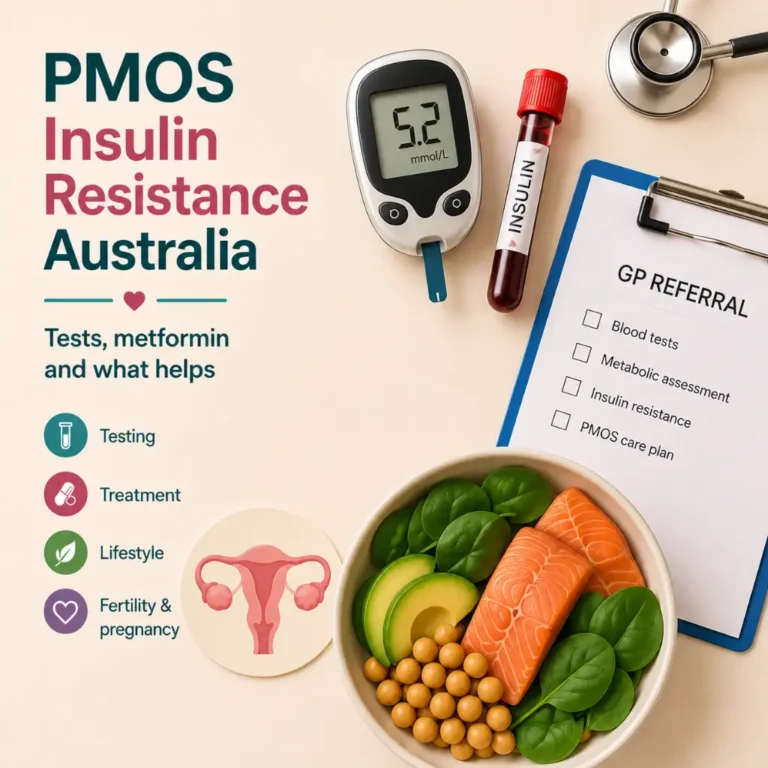
Fertility healthInsulin resistance can sit behind PCOS or PMOS even when fasting glucose or HbA1c looks normal. That is why some people have long cycles, acne, unwanted hair growth, energy dips or fertility…
Read the featured guide
At 8 DPO, symptoms can feel like early pregnancy, PMS or normal luteal phase changes. Eight days past ovulation sits inside the usual implantation window, so mild cramping, spotting,…

Understanding your fertile window can help you time intercourse for the best chance of pregnancy. The fertile window is the cluster of days when sperm and egg can meet. Sperm may live for up…

Seeing a faint line on a home pregnancy test can be confusing. It might mean early pregnancy, but it can also reflect timing, diluted urine, or a mark that is not a true positive. Home tests…
5 downloadable fertility guides
Download a clear guide for cycle tracking, LH testing, pregnancy-test timing or preparing for an appointment.
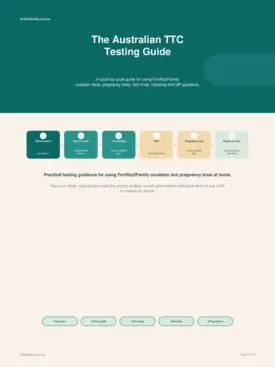
PDFPlan OPK timing, pregnancy-test timing, BBT notes and follow-up questions in one guide.
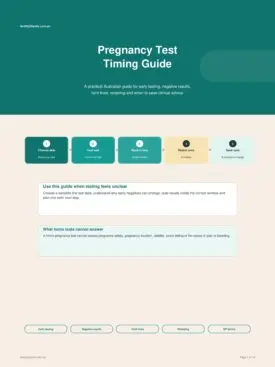
PDFUse this when testing early, seeing repeated negatives or deciding when to repeat a test.
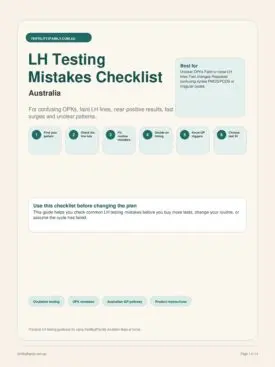
PDFReview test timing, fluid intake, reading windows and reasons a surge may be difficult to identify.
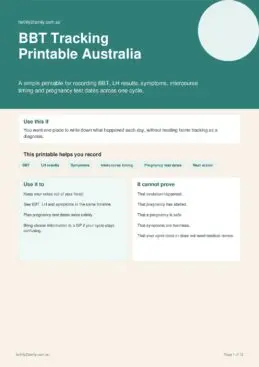
PDFRecord BBT, LH results, symptoms and pregnancy-test dates together for an appointment.
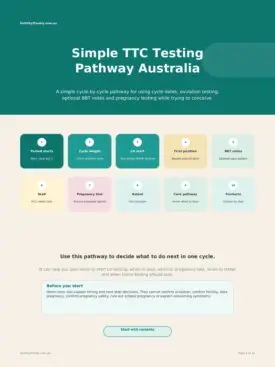
PDFSee how cycle dates, LH testing, BBT notes, pregnancy testing and care decisions fit together.
Home fertility test options
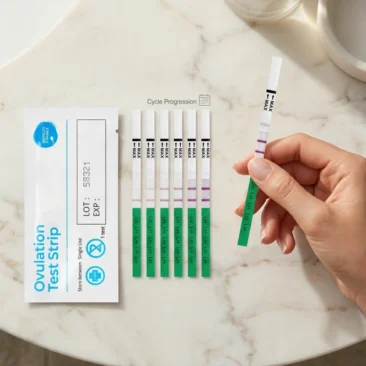
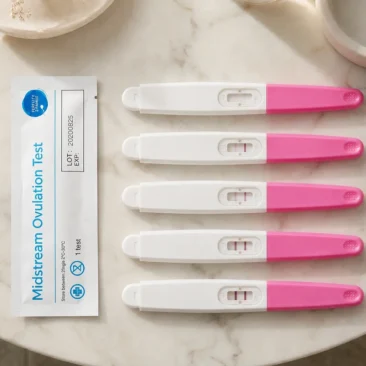
Strips are useful for repeat testing, while midstream tests offer a more self-contained option. Compare the formats and choose the one that best suits how you prefer to test at home.
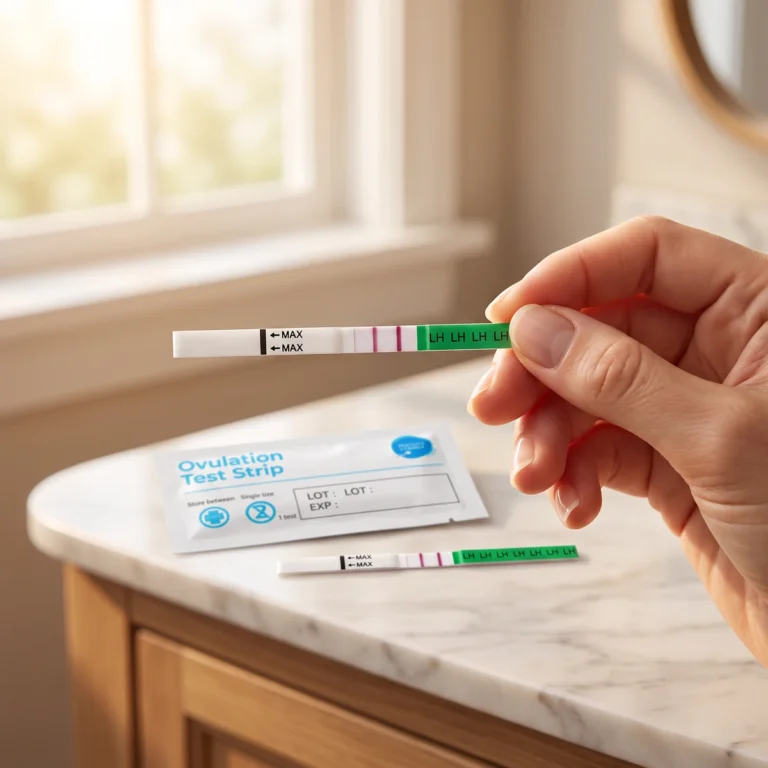
For repeat LH testingA practical format for repeated LH testing across several fertile-window days.
View ovulation test strips
A self-contained ovulation optionAn enclosed handheld option for people who prefer not to dip a narrow strip.
View midstream ovulation tests
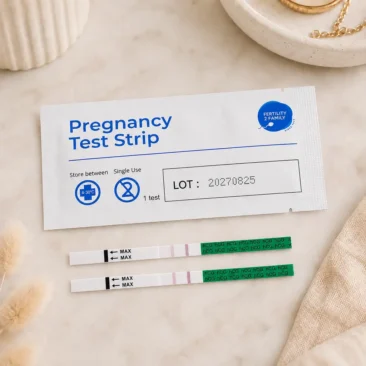
For repeat pregnancy testingA compact format suited to repeat hCG testing when timing or a result is unclear.
View pregnancy test strips
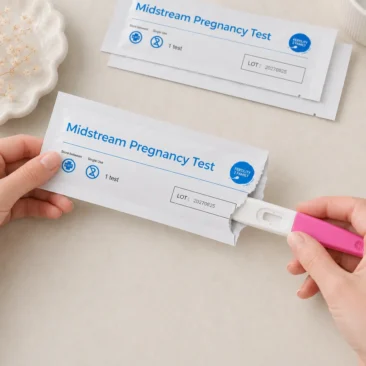
A self-contained pregnancy optionA self-contained format for home hCG testing from the relevant testing day.
View midstream pregnancy testsFertility and reproductive health library
Search in everyday language or choose a topic to find clear Australian information on ovulation, pregnancy testing, cycle health, fertility tests, IVF, IUI and preparing for care.
Showing 12 of 111 matching guides

If you have had a D&C after a miscarriage and are already thinking about trying again, it can be frustrating to find different answers. You may be told to wait until bleeding stops, wait…
Read guide · 15 min
If you have stared at a faint ovulation test line and wondered whether it counts as positive, the short answer is usually no. On a line-based ovulation test, the second line can be easy…
Read guide · 16 minIf loose stools seem to turn up around the same point in your cycle, it is reasonable to wonder whether ovulation is behind it. The timing can feel convincing, especially when it happens more…
Read guide · 13 min
If your ovulation test has just turned positive, the next question is usually immediate: do you need to have sex now, tonight or tomorrow? The useful answer is less exacting than the internet can…
Read guide · 14 minIf you have ever noticed clear, slippery, stretchy discharge and wondered whether it means ovulation is happening today, the useful answer is a little less exact. Egg-white cervical mucus, often shortened to EWCM, is…
Read guide · 15 min
If you are 4 DPO and noticing every cramp, wave of nausea or change in discharge, it is natural to wonder whether this is the cycle. The difficult part is that the symptom can…
Read guide · 19 minWhen home testing is not enough
Home tests and tracking can support timing and help describe a pattern. They cannot diagnose a fertility condition, confirm ovulation with certainty or assess pregnancy location, viability or safety.
Severe or one-sided pain, heavy bleeding, fainting, shoulder-tip pain, breathing difficulty or symptoms that feel unsafe should not wait for another home test.
Call 000 in an emergency. Healthdirect: 1800 022 222.Questions readers often ask
Find practical answers about ovulation tests, pregnancy-test timing, DPO, cycle tracking, fertility reports, privacy, review and preparing for care.
Start with Ovulation and cycle tracking if you are working out your fertile days or when to begin LH testing. Once you have a likely ovulation date, Pregnancy timing and results can help with DPO and when a home pregnancy test may be more informative.
Australian guidance generally recommends seeking fertility advice after 12 months of trying if you are 35 or younger, or after 6 months if you are 36 or older. Speak with a GP sooner if cycles are very irregular, you have endometriosis or PCOS/PMOS, or there is another known fertility concern.
Explore fertility topicsChoose Ovulation and cycle tracking for ovulation tests, LH surges, BBT and cervical mucus. Choose Pregnancy timing and results for DPO, faint pregnancy-test lines, negative results, retesting and early-pregnancy timing.
You can move between topics at any time. Start with the question that feels most urgent today rather than trying to work through every tool.
View the fertility topicsBegin testing before you expect to ovulate so you have a better chance of seeing the LH rise. The ideal start day depends on your usual cycle length and how much your cycles vary.
A positive ovulation test suggests an LH surge and that ovulation may follow within about 24 to 36 hours. It does not prove that an egg was released, and irregular cycles or PCOS/PMOS can make results harder to interpret.
Open the ovulation test start-day calculatorA home pregnancy test is usually more reliable from the day your period is expected. Some tests can be used earlier, but a negative result is less conclusive when hCG may still be too low to detect.
Follow the instructions for your exact test. If you tested early or your period has not arrived, repeating the test after 2 to 3 days may be useful. Ongoing missed periods, pain, bleeding or concerning symptoms need clinical advice.
Check pregnancy-test timingA fertility topic brings related questions together. A tool helps with one practical task, such as choosing a test day, comparing figures or recording symptoms. A health guide explains the subject in more depth and connects it with evidence, limitations and Australian care options.
Use whichever format helps you move forward. Many readers begin with a tool, then open the related guide when they want more context.
Explore the fertility toolsYes. Search in everyday language for DPO, a faint line, an LH surge, BBT, AMH, semen analysis, endometriosis, pelvic pain, PMS, PMDD, prenatal vitamins, IVF or IUI. You can also choose a broad topic and sort the results by relevance, recent updates or title.
The total changes as new Fertility2Family health guides are added or older content is retired, so the library reflects what is currently available.
Search the health guide libraryThe collection includes timing calculators, home-test result guides, symptom diaries, AMH and semen-analysis explainers, IVF and IUI comparison tools, a prenatal-label checker and a pregnancy-test cost tracker. They cannot diagnose infertility, confirm ovulation, assess pregnancy safety or decide whether a treatment is suitable for you.
Each tool explains what it can help with and where its limits begin. Use the result to organise your next question, not as a replacement for personalised clinical assessment.
Read when home tools are not enoughFertility2Family prioritises Australian government, public-health and professional guidance, supported by recent peer-reviewed evidence where appropriate. Content is checked for medical accuracy, plain-language clarity, realistic home-test limits and useful Australian care pathways.
The reviewer, review scope, corrections pathway and core Australian references are shown at the bottom of this page.
See the review process and referencesEach guide shows when it was last updated and, where applicable, when its health information was medically reviewed. Review dates are changed after the content has been substantively checked, not for routine design or formatting changes.
For subjects that change over time, such as rebates, guidelines or treatment reporting, check the date and follow the linked Australian source where one is provided.
Browse recently updated health guidesNo. Fertility2Family fertility tools run in your browser. The values you enter are not transmitted to Fertility2Family, saved to an account, stored in a database or retained after you close or refresh the page.
Names, symptoms, test results, DPO details and bleeding information are not sent to third-party analytics. The tools do not need identifying details, so please do not enter them.
Read the privacy policyNo single home test, laboratory result or tracked sign can answer every fertility or pregnancy question. An ovulation test can show an LH rise, a pregnancy test can detect urinary hCG, a sustained BBT shift can support retrospective cycle timing, and AMH or semen analysis can add clinical information. None should be treated as a diagnosis or a personal fertility prediction on its own.
A positive pregnancy test also cannot confirm pregnancy location or safety. Use home results alongside symptoms, timing and professional care when the question needs a diagnosis or clinical interpretation.
Prepare for a care conversationYes. The tools can help you organise dates, record endometriosis or pelvic-pain symptoms, compare information and prepare questions. Cycle-based estimates may be less reliable when ovulation is irregular, and fertility treatment protocols may set the timing for tests, medicines and procedures.
During IVF or IUI, follow your clinic instructions first. Use the tools as a way to understand or record the plan, then ask your clinic how any home result fits your treatment cycle.
Explore fertility tests and treatment topicsSeek professional advice when cycles remain irregular, pain or bleeding affects daily life, results stay unclear, a period is absent despite repeated negative tests, or you have a known condition that may affect fertility.
Fertility assessment is generally recommended after 12 months of trying if you are 35 or younger, or after 6 months if you are 36 or older. Ask for help earlier when there is a known fertility concern or symptoms that need assessment.
See when home testing is not enoughSevere or one-sided lower-abdominal pain, heavy bleeding, fainting, marked dizziness, shoulder-tip pain, breathing difficulty or symptoms that feel unsafe need urgent assessment. Do not wait for another pregnancy test or another diary entry before seeking help.
Call 000 in an emergency. For health advice in Australia, you can also call Healthdirect on 1800 022 222 or contact your local urgent-care service.
Review the urgent-care guidanceBring cycle start dates, usual cycle length, ovulation-test or pregnancy-test dates, relevant BBT or symptom patterns, current medicines and supplements, and any AMH, semen-analysis, IVF or IUI reports you have been given.
A short, organised pattern is usually easier to review than a large collection of screenshots. Fertility2Family diaries can help you prepare a summary, but your clinician decides what the pattern means for your care.
Find an appointment-preparation toolYes. Fertility2Family sells home fertility tests and related products. Product links may help readers compare formats or find instructions, but educational health content should remain separate from diagnosis, treatment and personalised medical advice.
Where a product is mentioned, the aim is to explain how it is used and where its limits sit. You can read more about Fertility2Family and its commercial relationships through the transparency links below.
Read about Fertility2FamilyContinue from here
Explore a fertility topic, search the health guide library or open the instructions for the home test you are using. You can come back and take the next step when you are ready.

Reviewed fertility health information
Registered Nurse and medical content reviewer
Bachelor of Science in Nursing · Master of Nursing
AHPRA NMW0002424871Meet our medical content reviewerHow this page is reviewed
Fertility2Family reviews its health information for medical accuracy, plain-language clarity and practical Australian care pathways. Content is updated when guidance or evidence changes, and readers can contact us if something needs review or correction.
These Australian sources underpin the fertility, home-testing, cycle-health, treatment and care guidance brought together on this page. Individual health guides may include further references for their specific topic.